If you’ve ever spent time around a machining shop, you’ve probably heard someone yell “watch the chip pull!” mid-job. More often than not, they’re talking about an upcut milling tool—one of the most workhorse, underrated bits in any operator’s arsenal. As a milling tool supplier that’s spent years helping guys fix bad cuts, I’m here to break this down like we’re chatting over a coffee after a long day at the mill. No stuffy jargon, no textbook fluff—just what you actually need to know about this tool that makes or breaks a ton of projects. Milling Tool
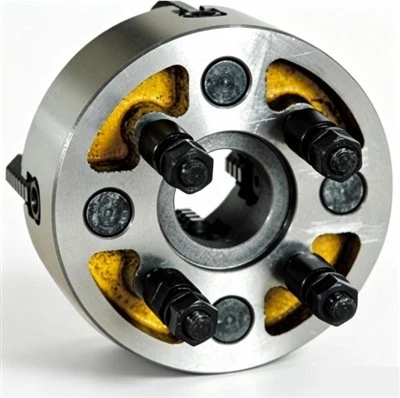
Let’s start with the basics, but keep it real. Milling tools are basically rotating cutters that remove material from a workpiece, right? Now, there are two main spiral orientations for these bits: upcut and downcut. An upcut milling tool has flutes (those spiral grooves that carry chips away) that twist upward toward the shank—the part that clamps into your router or mill. Wait, let’s make that super clear: when the bit spins clockwise (the standard for most handheld and CNC routers), those flutes pull chips up and out of the cut zone as the blade bites into material. That’s the biggest difference from downcut tools, which push chips down into the workpiece. I see so many new operators mix these up, and the mistake usually ends with them chasing a pile of shredded wood, plastic, or even aluminum all over their shop.
Let’s get into when you’d actually reach for an upcut tool, because that’s what matters most. The number one use case? Clearing chips fast. If you’re cutting a deep pocket, say for a custom cabinet hinge or a metal housing part, chips build up quick—too fast, and they’ll scratch the surface, overheat the bit, or even jam the tool mid-cut (which can snap a bit and send a flying chunk straight at you, and trust me, that’s no joke). Upcut flutes yank those chips out before they can cause trouble, making them perfect for deep plunging or slotting cuts. I’ve had a customer last month running 2-inch deep slots in hardwood for a deck project; he started with a generic bit and burned three tools in an hour because chips were getting trapped. Switched to an upcut, and he finished the job in 20 minutes with zero burn marks. Game-changer, right?
Another big win: when you’re working with material that produces big, bulky chips. That includes softwoods like pine, foam, even some plastics like acrylic. Those materials don’t break into tiny, easy-to-clear bits—they come out as long, stringy curls, and if they get stuck under the bit, you’ll get a ragged, fuzzy edge. Upcut tools pull those curls straight up, so they don’t get dragged across the bottom of your cut. I’ve also seen them used for trimming composite decking; composite is tough because it can delaminate if cut wrong, but an upcut’s upward pull lifts the trim away cleanly, no splintering along the top edge. Wait, but let’s not gloss over the flip side—no tool is perfect, and upcuts have a distinct downside that you have to watch for.
Here’s the part most new guys miss: upcut tools leave a rough, fuzzy top edge on your workpiece. Because the flutes are pulling chips upward, they also drag a tiny bit of material from the top of the cut as they exit. So if you need a smooth, clean top surface, an upcut isn’t your first pick—save that for the bottom of the cut or the edges you don’t care as much about. That’s why it’s super common to pair upcut and downcut tools for through cuts. For example, if you’re cutting a ¾-inch thick plywood shelf, an upcut on the bottom will pull chips out, and a downcut on top will leave a smooth edge. It’s a simple trick that takes 10 extra seconds but saves you hours of sanding later. I tell all my regulars: match the tool to the surface you care most about. If top finish is king, go downcut or a compression bit (which is both up and down flutes), but if chip evacuation is the priority, upcut is non-negotiable.
Now, let’s talk about the different types of upcut tools, because not all are created equal. I’ve seen everything from cheap steel bits that dull after five cuts to solid carbide upcuts that can run for thousands of feet. Carbide is the way to go for most industrial or heavy use, hands down. Carbide is way harder than high-speed steel, so it stays sharp longer, works on harder materials like aluminum, steel, and even titanium (for high-performance upcuts). For woodworking, you can get upcut bits with a variety of flute counts: 2-flute for soft materials that need maximum chip flow, 3 or 4-flute for harder wood or plastics that need a smoother edge (though not as smooth as a downcut). Also, there’s spiral upcut vs. straight flute? Wait, no—most upcut flutes are spiral, straight flutes are a different type for specialty jobs. Let’s keep that simple: spiral upcut is the standard, and that’s what you’ll find in most shops.
I should also mention CNC-specific upcut tools, because so many of our customers run CNC routers these days. When you’re programming a CNC, chip evacuation is even more critical because the machine isn’t stopping to clear chips like a human operator might. If you’re carving out a sign, for example, you’re running multiple shallow passes, but deep pocket cuts on a CNC? Upcut tools are a must. I had a customer in the sign industry who switched from generic bits to our solid carbide upcuts, and his downtime for broken bits dropped by 40% because he wasn’t dealing with jammed chips. That’s a big number—less downtime means more work, more money. We also make upcut tools with special coatings, like TiN or TiCN, which reduce heat buildup. That’s a game-changer for aluminum cuts, because aluminum sticks to hot bits like glue, especially with upcut tools that can run a bit hotter if you’re pushing them too hard.
Let’s get into common mistakes I see operators make with upcut tools, because that’s where a lot of frustration comes from. First, running them too fast or too slow. Upcut tools work best at specific feed rates and spindle speeds. For wood, you can usually run them at 10,000 to 20,000 RPM, but for metal, you need to drop that way down, like 1,000 to 5,000 RPM, with a higher feed rate to keep chips moving. If you run an upcut for aluminum at wood speeds, the bit will overheat, dull in minutes, and leave a messy cut. Second, not using the right bit for the material. A 2-flute upcut for acrylic is great, but a 4-flute upcut is better for solid hardwood. Third, not keeping the bit sharp. Dull upcut tools don’t pull chips—they push them, which leads to all the problems you’re trying to avoid. We always tell customers to check their bits after every 5-10 cuts, depending on material, and resharpen or replace them if the edges look worn.
Another thing: upcut vs. compression bits, since a lot of people mix those up too. Compression bits have upcut flutes on top and downcut flutes on bottom, so they leave a clean edge on both top and bottom. But compression bits aren’t as good at deep cuts or bad chip flow materials, because the top flutes are pushing chips down, not up. So if you’re doing a deep slot, go upcut; if you’re doing a through cut where both edges matter, go compression. It’s all about matching the job to the tool, which is why we spend so much time with our customers walking through their project details instead of just selling them the cheapest bit.
I want to touch on safety here too, because this is a shop thing we never skip. Upcut tools pull chips upward at high speed—those chips can be hot, sharp, and flying in your face if you’re not wearing proper PPE. I’ve seen chips from a steel upcut bit nick a guy’s safety glasses, and that’s the worst case. Always wear eye protection, gloves, and even a face shield if you’re running deep cuts or metal. Also, never leave a running upcut tool unattended, because if chips jam, it can cause the bit to bind and kick back. It’s simple, but it’s the stuff that keeps our guys coming back day after day.
Now, why does this matter to you? Whether you’re a hobbyist building a deck, a cabinet maker cutting custom shelves, or a CNC operator running metal parts, choosing the right upcut tool can save you time, money, and frustration. I’ve been in this game long enough to know that the difference between a project that takes an hour and one that takes four is often the $20 bit you grab off the shelf instead of the $50 generic one. We stock upcut tools for every material, every project, and every budget—from affordable high-speed steel bits for hobbyists to solid carbide industrial upcuts for shops running 10-hour days.
Wait, let’s make sure this is all relatable. I once had a hobbyist customer, a guy who builds custom birdhouses in his garage, who swore by his cheap upcut bits until he tried our carbide version. He told me it was like switching from a toy car to a truck—he could cut 10 birdhouses before he had to stop, instead of two, and the edges were so smooth he barely had to sand. That’s the real value here: it’s not just about cutting material, it’s about cutting better, faster, with less mess.
If you’re in the market for an upcut milling tool, or you’re confused about which one to grab for your next project, hit us up. We’re not just a supplier—we’re guys who work in shops too, so we know the difference between a good bit and a garbage one. Tell us what material you’re cutting, how deep you’re going, and what finish you need, and we’ll help you pick the right tool, no jargon, no sales pressure. We’ve worked with everyone from hobbyists to large industrial fabrication shops, so we’ve got you covered.
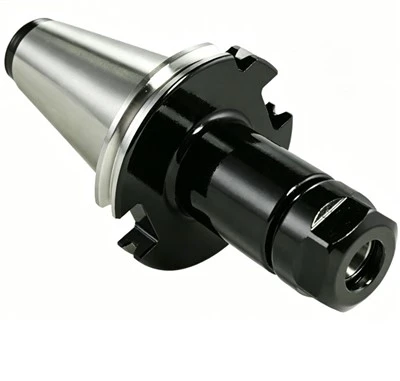
At the end of the day, an upcut milling tool is one of those tools that seems simple until you use the wrong one. It’s all about chip flow, matching the job, and knowing the downsides so you can plan around them. Skip the generic bits that burn your material and snap mid-cut. Grab an upcut that’s built for your project, and you’ll wonder how you ever worked without it. If you’re ready to upgrade or just have questions, reach out—we’re here to help you get the job done right the first time.
Petroleum Pipe Thread Tools References
- Modern Milling Technology: Selection and Application of Cutting Tools, Industrial Press, 2021
- Machining Fundamentals: Principles of Cutting Tool Geometry, Goodheart-Willcox, 2019
- Woodworking Router Tool Guide, Woodworkers Guild of America, 2022
Shun Wei Precision Technology Co., Ltd.
With abundant experience, we are one of the most reliable milling tool manufacturers and suppliers in China. We warmly welcome you to buy durable milling tool at competitive price from our factory. If you have any enquiry about cooperation, please feel free to email us.
Address: Room901, Building2, Yijing Apartment, Northeast side of the intersection of Central Avenue and East Fifth Road, Tianjin Free Trade Zone (Airport Economic Zone)
E-mail: sale@sw-csd.com
WebSite: https://www.tjswprecisiontool.com/
