If you’ve ever stood in a damp, drafty basement or walked through a parking garage that feels colder than the air above ground, you’ve probably wondered how to make underground spaces both comfortable and functional. As a glass wool insulation supplier, one of the most common questions I get from contractors, architects, and even homeowners planning a root cellar or underground workshop is: Can glass wool insulation be used in underground structures? The short answer is yes—but it’s not as simple as grabbing a roll from the shelf and slapping it between joists. Over 12 years in this business, I’ve seen firsthand how glass wool performs in underground spaces, and how getting the application right makes all the difference in long-term performance, energy savings, and cost. Let’s break this down, no confusing jargon, just real-world lessons from someone who’s shipped thousands of insulation batches to underground projects across the country. Glass Wool Insulation

First, let’s get one thing straight: underground structures come in all shapes and sizes. I’m talking about everything from residential basements and crawl spaces to underground parking garages, commercial storage facilities, and even transit tunnels. Each has its own set of challenges, but the biggest one by far is moisture. Underground spaces are in constant contact with soil, which holds a lot of water vapor. That vapor can seep through concrete walls, floor slabs, and even the wooden framing that’s often part of the structure. Any insulation used here has to handle that moisture without losing its ability to slow down heat transfer—and that’s where glass wool shines, if it’s the right type.
I’ve had customers tell me they tried using fiberglass batts (which is basically what glass wool is, just a specific formulation) in their basement walls years ago, only to pull them out a year later because they were moldy, saggy, and didn’t insulate anymore. The mistake they made was using standard, unfaced glass wool. Most basic glass wool is designed for above-ground attic and wall applications, where moisture levels are low. It’s porous, so it can absorb water vapor, and while it dries out quickly in open, well-ventilated spaces, that’s not the case underground. If it gets trapped against a damp concrete wall, it holds that moisture, which ruins its R-value (the measure of insulation effectiveness) and creates a perfect breeding ground for mold and mildew. That’s why, when I talk to customers about underground projects, the first rule is: use faced or closed-cell treated glass wool.
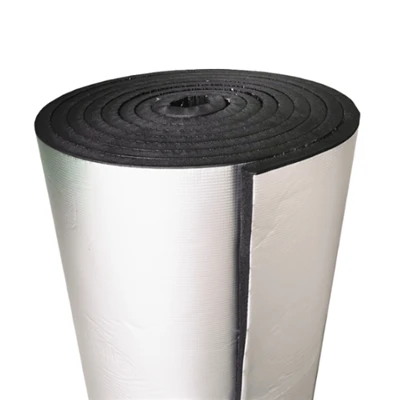
Let me explain the science a little, because understanding why something works is what prevents mistakes. Standard glass wool is made from molten sand, soda ash, and limestone spun into fine fibers, held together with a thermoset resin. It’s non-combustible, resists pests, and has a high R-value per inch—around 3.7 per inch, to be exact—when it’s dry. When it absorbs even a small amount of moisture, that R-value drops drastically. Studies show that if glass wool absorbs 5% of its weight in water, its R-value can drop by up to 50%. That’s a huge hit, and it means you’re wasting money on insulation that doesn’t do what it’s supposed to. Faced glass wool has a thin, water-resistant vapor barrier on one side—usually a foil or polyethylene laminate—that blocks moisture from passing through from the outside. That barrier is critical for underground spaces, where vapor drive is always outward (from the damp soil to the drier interior).
Another big benefit of glass wool for underground structures is its thermal stability. Unlike some other insulation materials, like polystyrene foams, which can break down when exposed to the constant temperature swings that happen underground? Wait, actually, underground temperatures are pretty consistent—they hover between 50 and 60 degrees Fahrenheit year-round, no matter how hot or cold it is above ground. That stability means glass wool doesn’t shrink or warp over time, which keeps the air gaps between framing consistent. Air gaps are where heat transfer happens most, so if your insulation doesn’t stay in place, you’re losing energy. I had a customer last year who installed extruded polystyrene (XPS) in his basement walls, but after three years, the foam had shrank along the seams, leaving big gaps that drove his heating bill up by 20%. He switched to our faced glass wool, and his bills went back down within six months. That’s the kind of real-world result that makes me confident recommending glass wool for underground use, when applied correctly.
Now, let’s talk about the practical applications, because different underground spaces need different approaches. For residential basements, the most common setup is framing the interior of the concrete walls with 2×4 or 2×6 studs, then installing faced glass wool batts between the studs. The foil-faced side should face the interior living space, so it acts as both a vapor barrier and a radiant barrier, reflecting any stray heat. We also sell a rigid glass wool board for basement rim joists, which are the gaps between the foundation wall and the first floor. Rim joists are notoriously drafty, and if you leave them uninsulated, you can lose up to 30% of your home’s heat through them. Rigid glass wool is thicker, denser, and more rigid than batts, so it fits tightly into those narrow gaps without sagging, and the vapor barrier keeps moisture out of the exposed rim joist.
For larger commercial underground structures, like parking garages or storage facilities, we use a different type of glass wool: high-density, foil-faced panels that are designed to be attached directly to concrete walls. These panels are resistant to impact, so they hold up against cars driving past or equipment being moved in storage, and their high density means they have a higher R-value—up to 4.0 per inch, depending on the formulation. I worked on a project last year for a grocery chain that built an underground storage vault for frozen goods, and they needed insulation that could maintain a consistent temperature of 0 degrees Fahrenheit while also resisting the high humidity from the surrounding soil. We supplied 2-inch foil-faced glass wool panels, installed with a mechanical fastener system that kept the vapor barrier intact, and they haven’t had any temperature fluctuations or moisture issues in two years. The project manager told me he chose glass wool over foam because it’s easier to cut around pipes and utility lines, which are abundant in underground commercial spaces, and it doesn’t off-gas the way some chemical-based foams do, which is important for storing food products.
Wait, but there’s a common misconception that glass wool is bad for indoor air quality. Some people think the fibers can get loose and cause respiratory issues, especially in enclosed underground spaces. That’s another area where the type of glass wool matters. Modern glass wool is manufactured with a binder that’s designed to hold the fibers in place, so loose fibers aren’t an issue once it’s installed. When we ship our glass wool, it’s wrapped in a plastic film that prevents fibers from becoming airborne during transport, and once it’s cut and installed, the vapor barrier (in the case of faced products) traps any remaining fibers. We also supply fiberglass insulation that’s GREENGUARD Gold certified, which means it’s low-emitting and safe for indoor use, even in sensitive spaces like basements, schools, or healthcare facilities. I always tell customers to look for that certification when choosing insulation, and to make sure their installers wear proper protective gear (gloves, goggles, masks) during installation, just like they would with any building material.
Of course, no insulation is perfect, and there are a few caveats to using glass wool in underground structures that I always make sure to mention. First, it’s not a replacement for proper waterproofing. Glass wool’s vapor barrier blocks moisture from the soil, but if the foundation itself has cracks or is leaking, that water will eventually find its way through, and even the best insulation can’t handle standing water. I always advise customers to install a quality waterproofing membrane on the exterior of the foundation walls before backfilling, to prevent bulk water from getting into the structure in the first place. Second, ventilation is important for below-ground spaces that are used as living areas. Even with good insulation, a basement that’s completely sealed off can get stuffy and develop condensation. We recommend installing a bathroom exhaust fan or a dehumidifier, especially in areas with high humidity, to keep the interior air dry and prevent any moisture from getting trapped between the insulation and the wall.
Another point I like to bring up is cost-effectiveness. A lot of customers assume that foam insulation is more expensive than glass wool, but when you factor in long-term performance, glass wool is often the better value. Standard faced glass wool batts cost about $0.50 to $0.70 per square foot, while XPS foam is around $1.00 to $1.50 per square foot. But glass wool has a longer lifespan—up to 50 years, compared to 20 to 30 years for foam, especially in damp conditions. And because it maintains its R-value over time, you’re not having to re-insulate your basement every few years. I had a customer who was quoted $10,000 for XPS foam insulation for his 1,200 square foot basement, and we quoted him $6,500 for high-density faced glass wool. Five years later, he emailed me to say his heating bill was $150 a month lower than it was before he insulated, and the insulation looked exactly the same as the day it was installed. That’s the kind of return on investment that makes glass wool a smart choice for underground projects.
I’ve also seen glass wool used in more specialized underground structures, like root cellars, wine cellars, and underground workshops. For a home wine cellar, you need consistent temperature (around 55 degrees Fahrenheit) and low humidity, and glass wool is perfect for that because it doesn’t retain moisture and helps stabilize the temperature. A customer in Kentucky installed our 3-inch foil-faced glass wool panels in his underground wine cellar, and he told me his wine collection has stayed at a perfect temperature for three years, even during the hottest summer months. For underground workshops, which can get cold in the winter and damp in the spring, glass wool provides consistent insulation without the off-gassing that can be a problem with foam, making it safe to use with tools and other equipment.
So, to circle back to the original question: Can glass wool insulation be used in underground structures? Absolutely—but only if you choose the right type for the job, install it correctly, and pair it with proper waterproofing and ventilation. The days of using basic unfaced glass wool in damp basements are over, and modern, moisture-resistant, faced glass wool is a reliable, cost-effective solution for all kinds of underground spaces. As someone who’s been in the insulation business for over a decade, I’ve seen too many projects go wrong because someone cut corners on insulation, but when you choose high-quality glass wool and follow best practices, the results speak for themselves.
If you’re planning an underground project—whether it’s a basement, parking garage, storage facility, or something in between—and you’re not sure which type of insulation is right for you, I’m here to help. We work with contractors, architects, and homeowners across the country, and we can provide samples, technical specifications, and custom recommendations to fit your specific project needs. Don’t let cold, damp underground spaces make your space uncomfortable or costly to heat and cool. Reach out to our team to discuss your insulation requirements, and we’ll help you find the right glass wool solution for your underground structure.
Rock Wool Insulation References
- Owens Corning. (2022). Insulation Application Guidelines for Below-Grade Structures. Retrieved from technical resources for building professionals
- U.S. Department of Energy. (2021). Home Energy Savings: Basement Insulation. Retrieved from energy.gov home improvement guides
- International Code Council. (2020). International Residential Code: Insulation Requirements for Foundation Walls. Retrieved from ICC building code resources
- Fiberglass Insulation Manufacturers Association. (2023). Moisture Resistance Properties of Faced Glass Wool Insulation. Retrieved from industry technical reports on insulation performance
- GREENGUARD Environmental Institute. (2022). Low-Emitting Insulation for Indoor Applications. Retrieved from GREENGUARD certification product listings and guidelines
Langfang Yafeng Energy-Saving Technology Co., Ltd.
As one of the most professional glass wool insulation manufacturers and suppliers in China, we’re featured by quality products and good price. Please rest assured to buy bulk premium glass wool insulation for sale here from our factory. Welcome to view our website for more information.
Address: Langfang Xinyafeng, Liugezhuang Town, Dacheng County, Langfang City, Hebei Province
E-mail: yafengbaowen@gmail.com
WebSite: https://www.xyfinsulation.com/
