If you’ve ever worked in the heavy-duty trucking, construction, or bus maintenance space, you know Automatic Slack Adjusters (ASAs) are unsung heroes of the braking system. They do the unglamorous, critical job of keeping brake linings at the right gap to your brake drums, eliminating the need for manual adjustments that techs used to spend hours on back in the day. But here’s the thing: even the most well-built ASAs don’t last forever. As a supplier, I get way too many calls from panic-stricken fleet managers or shop techs saying their ASAs started locking up, pulling to one side during stops, or just plain failing mid-route, and they’re desperate to figure out why. Today, I’m breaking down exactly how these parts wear out—no fancy jargon, just real-world stuff I’ve seen in shops over the last decade. Automatic Slack Adjuster
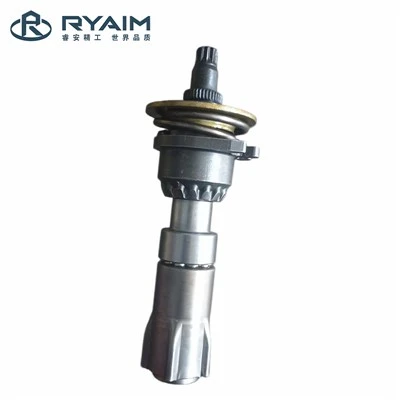
First, let’s get one basic truth straight: ASAs aren’t invulnerable because they’re “automatic.” They still get beat up by the same stuff every other under-chassis part deals with. Let’s start with the most common culprit that most people don’t even think about until it’s too much: dust and debris getting inside the housing. Think about it—your average ASA lives between the frame rail and the wheel, right? It’s exposed to road salt in the winter, brake dust (which is super abrasive, by the way), mud from construction sites, and even fine metal shavings from brake lining wear. A lot of cheaper ASAs skimp on the seals, so over time, those seals crack or get torn by a stray rock, and that junk works its way into the internal gears, worm screws, and the adjustment clutch mechanism.
Wait, let’s get specific: brake dust is basically tiny, sharp steel and ceramic particles. That stuff is like sandpaper inside your ASA. When it gets between the worm gear and the drive gear, it grinds away at the smooth surfaces the parts need to move against each other to adjust the brake gap. I’ve seen ASAs where the gears are so worn down, the teeth have rounded off to the point where they can’t even engage properly anymore. And it’s not just the gears—those adjustment clutch springs? They get gummed up with brake dust and road grime, so they can’t engage when the brake is applied or released. Instead of adjusting the gap every time you hit the brakes like they’re supposed to, they just lock up or skip adjustments until they fail entirely. That’s such a preventable issue, but so many fleets skip basic undercarriage washing during regular maintenance, especially in areas that salt roads all winter.
Next up: corrosion. Oh man, corrosion is a killer for ASAs, especially in cold climates or coastal areas where salt air hangs around. Most ASAs are made from steel, with maybe a zinc coating, but that coating can chip or scratch over time from rocks or debris, leaving the bare metal exposed. Once moisture gets in (thanks to those faulty seals we talked about earlier), rust starts forming inside the ASA. That rust builds up on the worm screw, so the adjustment mechanism can’t slide back and forth like it needs to. I had a customer last year in Maine who had a whole fleet of 2018 Peterbilts; all their front ASAs had rusted solid in two years because they never washed the undercarriage off in March. The techs couldn’t even turn the adjustment bolts with a wrench, that’s how bad it was. And it’s not just steel parts—even aluminum components can corrode if they’re exposed to salt water mixed with other chemicals, leading to seizing or broken internal pins.
Another big one: overloading and aggressive driving. ASAs are rated for a specific maximum load, right? If you’re running a truck that’s way over its gross vehicle weight (GVW) limit—like, I’ve seen fleets load a linehaul truck with 40,000 pounds of extra pallets just to make a delivery, skimping on scale tickets—the ASA has to work way harder than it was designed to. Every time you hit the brakes hard, that extra force puts stress on the internal adjustment springs and the clutch. Over time, those springs lose their tension, so they can’t engage to adjust the gap. I’ve also noticed that fleet drivers who ride the brakes a lot—like city bus drivers who are always stopping and going, or delivery drivers in dense downtown areas—wear out ASAs way faster than long-haul drivers. The constant, repeated application of maximum brake pressure wears down the clutch discs and the gear teeth way quicker than normal use. It’s like how you wear out your phone screen faster if you’re always dropping it vs. just using it normally—some use is just harder on the parts.
Wait, what about poor installation? That’s another thing that causes premature ASA wear, and it’s not always the tech’s fault. I’ve seen fleets try to cut corners by hiring cheap, uncertified techs to do brake jobs, and they don’t lubricate the ASA properly before installing it. Most ASAs require a specific type of high-temperature, extreme-pressure grease inside the housing—using regular wheel bearing grease? That’s a disaster waiting to happen. Regular grease breaks down under the heat from the brakes, so it turns into a sticky sludge that traps dirt and doesn’t lubricate the moving parts. Also, if the ASA is installed too tight or too loose, it puts extra stress on the linkage arms, which can bend over time, throwing off the adjustment mechanism. I had a tech in Texas call me last year, panicking because all four of his rear ASAs were failing at once, and it turned out he’d cut corners on grease for his brake job, and the heat from the Texas summer fried all the internal lubrication in less than a year. That’s the kind of avoidable mistake that makes me want to yell into the phone—cheap shortcuts cost way more in the long run.
Oh, and let’s not forget about normal wear and tear over time, obviously. Even if you do everything right—wash the undercarriage, use the right grease, don’t overload, install it correctly—ASA parts have a lifespan. Most well-made ASAs should last between 5 and 7 years in normal operation, maybe 10 if they’re in a mild climate and you stay on top of maintenance. The internal components, even when they’re new, will gradually wear down from thousands of brake applications over the life of the truck. The clutch discs wear down, the gear teeth get slightly rounded, the seals harden and crack from temperature changes (like going from freezing cold in the morning to 90 degrees in the afternoon), and that’s just part of the natural aging process. I tell all my customers that if their ASAs are hitting the 5-year mark, it’s a good idea to start doing regular checks on them, not wait until one fails and causes a brake issue.
Wait, let’s talk about the signs so you don’t get caught off guard. If you notice your truck is pulling to one side when you brake, that’s a dead giveaway that one ASA is worn out or not adjusting. Or if you have to do manual adjustments more often than every 6 months—manual adjustment should basically be obsolete if your ASAs are working right. Another sign: the slack adjuster feels loose when you wiggle it by hand, that means the internal gears are worn so bad there’s play, so it can’t adjust properly. And if you hear a clicking or grinding noise when you brake, that’s usually debris or worn gears inside the ASA, not something you can ignore.
As a supplier, I don’t want my customers to have to deal with this stuff. That’s why we build our ASAs with extra-tough seals, better rust-resistant coatings, and oversize gear teeth to handle more load. But even the best part won’t last if you’re not taking care of your system. A few simple steps go a long way: wash the undercarriage regularly to get rid of road salt and debris, make sure your techs are using the right lubricant and installing the ASAs correctly, don’t overload your trucks unnecessarily, and do regular ASA checks every year or so, especially if you’re in a harsh climate.
At the end of the day, ASA wear isn’t some mysterious thing that comes out of nowhere. It’s caused by stuff we can see and fix, most of the time. If you’re a fleet manager, shop owner, or tech dealing with ASA issues and want to make sure you’re getting the right parts that’ll stand up to whatever your operation throws at it, don’t hesitate to reach out. We can help you figure out what’s wearing out prematurely, what parts work best for your specific application, and get you set up so you don’t have to deal with mid-route ASA failures anymore.
China Truck Series Automatic Slack Adjuster References
- Truck Safety Coalition. (2020). Automatic Slack Adjuster Maintenance Best Practices for Heavy-Duty Vehicles.
- National Highway Traffic Safety Administration (NHTSA). (2019). Brake System Component Wear Patterns in Commercial Motor Vehicles.
- Heavy Duty Aftermarket Association (HDAA). (2021). Corrosion Effects on Chassis Components in Cold and Coastal Climates.
- Automotive Lubricants Association. (2022). Recommended Lubrication for Automatic Slack Adjusters.
Zhejiang Ryaim Auto Parts
As one of the most professional automatic slack adjuster manufacturers and suppliers in China, we’re featured by quality products and good service. Please feel free to wholesale custom made automatic slack adjuster from our factory. Contact us for more details.
Address: No. 78, Yexiao Road, Yaojiang Town, Zhuji City, Zhejiang Province
E-mail: bd@zjryaim.com
WebSite: https://www.ryaimchina.com/
