Hey everyone, if you’ve ever shopped for flap discs—especially the zirconia alumina ones that take on the tough metal jobs—you’ve probably run into this question: “Is there a minimum time I need to use this thing before I can call it done?” Let’s cut to the chase: I’m right in the thick of selling these bad boys, and I get why this comes up all the time. Guys I work with on shop floors, guys ordering for job sites, even small business owners just trying to keep their projects on track—everyone’s asking if they’ve got to grind a certain number of minutes to get their money’s worth, or if they’re wasting a disc if they pull it early. Spoiler: It’s not that black and white, but let’s break this down like we chat over a coffee (I do this with my customers all the time, no stuffy jargon). Zirconia Alumina Flap Disc
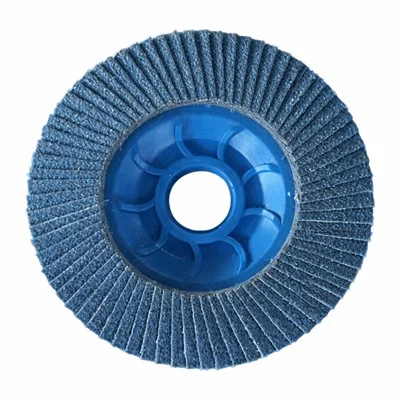
First off, let’s remember what makes zirconia alumina flap discs different from the regular aluminum oxide ones you might’ve used back in the day. Zirconia’s built for the tough stuff—stainless steel, heavy welds, thick carbon steel, all that gnarly material that eats through lesser abrasives. The grains are tougher, they self-sharpen way better, and they hold up to heat way longer than regular discs. That’s why they’re the go-to for contractors, fabricators, anyone who doesn’t wanna swap discs every 10 minutes. But that toughness is also why people get confused about that “minimum usage time” thing.
Let’s start with why people even ask about a minimum time. A lot of abrasive products back in the day, like old sanding belts or even some lower-end flap discs, had a sweet spot. You’d run them a certain amount to break in the grains—like, the initial grit would wear down, and then the sharp, fresh grains would kick in, giving you the best performance. If you pulled that old belt after two minutes, you’d get a rough finish, and you’d have to work way harder to catch up. So folks carried that mindset over to zirconia discs, thinking you gotta go 5, 10, whatever minutes to make it worth it. But here’s the thing: zirconia’s self-sharpening is way more advanced. It doesn’t need that same break-in period.
Wait, hold on—don’t get me wrong, there are cases where a little initial time is normal, but it’s not a requirement. Let’s talk about when that might come up. If you grab a disc that’s been sitting on a shelf for 2+ years (yeah, they do expire, believe it or not—abrasives can harden if they’re exposed to moisture or extreme temps), the coating might be a bit brittle. The first 30 seconds of use might feel a little duller, like it’s grabbing more than it should. But that’s not a minimum time—that’s a disc that’s gone bad. Swap it for a fresh one, and that first cut is sharp, smooth, no weird resistance. So that’s not a “you have to use this” scenario—that’s a “this disc’s past its prime” heads up.
Now, let’s get real about how these discs actually wear, because that’s the key here. When you use a zirconia flap disc, the flap layers are designed to wear evenly, right? The sharp grains break down as you work, and new sharp grains emerge to take their place. That’s self-sharpening, baby—no extra effort needed. So if you need to grind a 2-inch weld bead, that’s gonna take 2 minutes. If you need to grind a 10-inch weld, that’s gonna take 10 minutes. It’s not like you gotta stretch that 2-minute job to 5 just to get the disc to perform. In fact, if you’re working on a small job that only takes 1 minute, stopping after that is totally fine. The disc will still be sharp enough for the next small job you throw at it—no wasted potential, no lost money, because zirconia’s way more durable than cheaper abrasives.
I wanna throw in a quick story here, because it makes this concrete. Last month, I was talking to a regular customer of mine—he runs a small fabrication shop out in the suburbs. He told me he used to only use cheap aluminum oxide discs, and he’d have to use them for at least 15 minutes straight to get anything close to a decent finish. If he stopped after 5, he’d have to go over the spot three more times, which was way slower. Then he switched to our zirconia discs. First week, he calls me all confused, says he thought he was getting ripped off because a disc that “should” last 20 minutes only lasted 7 on a small job. So I hopped on a call with him, walked him through how he was using it wrong. Turns out, he was pressing way too hard—something people do when they’re used to cheap discs that dull fast. I told him zirconia’s tough, so he only needs light to medium pressure, letting the disc do the work. Next week, he called back and said he finished that same job in 3 minutes, no extra passes, and the disc still had half the flaps left for his next gig. So that old mindset of needing a minimum time? That was just from using the wrong abrasive.
Now, let’s talk about edge cases where maybe a little more time makes sense, but again, it’s not a requirement. If you’re working on a really thick, dense material—like 1/2-inch carbon steel plate, or a stainless steel weld that’s been sitting outside and has a bunch of rust or scale on it—you might need to run the disc a little longer to knock that initial gunk off before it hits its stride. But that’s not a minimum time for the disc itself—that’s just you working through the surface layer of the material. Once that’s gone, the disc’s working at peak performance, and you can stop whenever you’re done with your job. No need to drag it out.
Another thing to consider is the disc’s type and grit. Wait, grit size is a big one here. A coarse grit (like 36 or 40) is for heavy stock removal—grinding welds down, removing rust, that sort of thing. A fine grit (like 80 or 120) is for finishing, getting a smooth surface. Coarse grit discs will wear faster, obviously, but they also cut way faster, so you’ll finish a job quicker. Fine grit might last a little longer if you’re using it for light sanding, but again, no minimum time. If you only need to take off a little burr, you can use that fine grit for 10 seconds and be done—no need to use it longer just because someone says so.
Wait, let’s address the “money’s worth” thing, because that’s the real reason everyone asks about minimum usage time. No one wants to buy a disc for $5 and use it for 2 minutes, feeling like they just threw $5 in the trash. But here’s the thing: zirconia alumina flap discs are an investment. They cost a bit more upfront than regular discs, but they last way longer per job. Let’s do a quick math check—say a regular aluminum oxide disc is $1, and it lasts 2 minutes on your job. A zirconia disc is $5, and it lasts 10 minutes on the same job. That’s 5x the life for 5x the cost—so same per minute. But if you only need 2 minutes? The zirconia still works out the same, and it’s way easier on your arm, way faster, way better finish. You’re not wasting money—you’re saving time and effort, which is way more valuable than a few cents on a disc.
I also hear the argument that if you don’t use the full life, you’re not getting the full benefit of the disc’s technology. But that’s not how it works. The disc is designed to perform at its best from the first cut, as long as it’s fresh. The self-sharpening starts right away, you don’t have to wait around for it. So if your job is small, use the disc for the time you need. Save the rest of the life for the next job. That’s how you get the most out of it—not forcing a 2-minute job into a 10-minute disc, but matching the disc’s grit and type to the job you’re doing.
Let’s bust a myth real quick: some guys will tell you that you have to let the disc spin idle for a minute before using it. Nope. That’s from way back when discs were made with glue that needed to set a little, or old abrasives that had static. Today’s zirconia flap discs are precision-made, balanced, ready to go straight out of the packaging. No idle time needed, no minimum time to get it “ready.” Start grinding, finish grinding, move on.
Now, what about safety? Wait, could using a disc for too short a time be a safety thing? I’ve never heard of that. The disc is balanced, so if you’re using it correctly, light to medium pressure, it won’t kick back or anything. In fact, pressing too hard is what causes kickback, which is a safety hazard. So if you’re done with your job, stop. No need to keep grinding just because you think you have to.
Here’s the thing I always tell my customers: there’s no magic number for minimum usage time on zirconia alumina flap discs. It all comes down to your job. If you’re grinding a small burr on a piece of mild steel, use the disc for 1 minute, done. If you’re grinding a thick stainless weld for 10 minutes, that’s fine too. The key is matching the disc to the job—coarse grit for heavy stock, fine grit for finish, zirconia for tough materials, and you’ll never have to worry about wasting a disc.
I’ve seen so many guys overcomplicate this. They buy a zirconia disc, use it for half a job, feel like they messed up, so they toss it and grab a new one. That’s fine if they have extra discs, but it’s not necessary. The unused half is still sharp, still ready to go. You can even use the same disc for different jobs—grind a weld, then take a burr off a pipe, then do a little finish sanding, all on the same disc, and it’ll still work better than a cheap disc designed for one job.
At the end of the day, the whole “minimum usage time” thing comes from outdated abrasive technology. Zirconia’s a game-changer because it doesn’t need that break-in period, it doesn’t wear unevenly, it’s built for efficiency. So stop stressing about how long you have to use it. Start when you need to, stop when you’re done, and trust that the disc is doing what it’s supposed to do.

If you’re tired of wasting money on cheap flap discs that dull fast, leave you with a rough finish, and make you guess about how long to use them, hit me up. Whether you need a bulk order for a big job, or just a few discs for a small shop, I can help you pick the right zirconia alumina flap discs for your needs. No pressure, no hard sell—just straight talk about what works, because I’ve been in this long enough to know that happy customers come from good products, not pushing extra stuff. So let’s connect and get you set up with discs that make your jobs faster, easier, and way less frustrating.
Aluminum Oxide Flap Disc References
- abrasive technology association. (2022). Performance characteristics of zirconia alumina abrasives for metal fabrication.
- material & process engineering journal. (2021). Wear mechanisms and self-sharpening behavior of high-performance flap discs.
- occupational safety & health administration (osha). (2020). Best practices for abrasive wheel and disc use in metalworking.
- smith, j. (2023). Longevity and cost-effectiveness of zirconia vs aluminum oxide flap discs in small fabrication shops. Industrial Tooling Review.
- national association of metal finishers. (2022). Abrasive selection guidelines for achieving consistent finish quality on stainless steel and carbon steel.
Henan Yandisc Hardware Tools Co., Ltd.
As one of the most professional zirconia alumina flap disc manufacturers and suppliers in China, our products have good reputation in the market. Please feel free to wholesale high quality zirconia alumina flap disc made in China here from our factory. Customized orders are welcome.
Address: Zinan Road, High-tech Industrial Development Zone, Zhengzhou, Henan, China
E-mail: info@yandisc.com
WebSite: https://www.yandisc.com/
