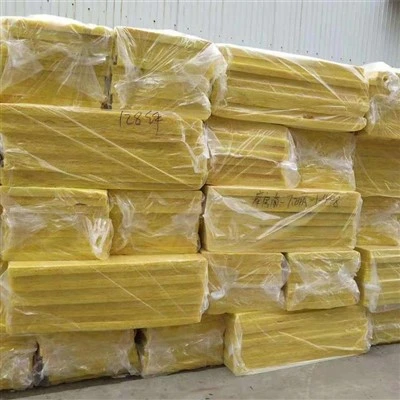
Rock wool insulation has long been a popular choice for various insulation applications, and basements are no exception. As a supplier of rock wool insulation, I have witnessed firsthand the benefits it offers and the positive impact it can have on basement insulation. In this blog, we’ll delve into the question: Is rock wool insulation good for basement insulation? We’ll explore its properties, advantages, and considerations to help you make an informed decision. Rock Wool Insulation
Understanding Rock Wool Insulation
Before we assess its suitability for basement insulation, let’s understand what rock wool insulation is. Rock wool, also known as mineral wool, is made from natural rocks, such as basalt or diabase, which are melted at high temperatures and then spun into fibers. This process creates a material that is lightweight, porous, and highly effective at resisting heat transfer.
The fibers in rock wool insulation are randomly arranged, creating a network of tiny air pockets. These air pockets act as barriers to heat flow, reducing the transfer of heat through the material. As a result, rock wool insulation helps to maintain a comfortable temperature inside the basement, whether it’s keeping the heat in during the winter or keeping the heat out during the summer.
Advantages of Rock Wool Insulation for Basements
There are several advantages to using rock wool insulation in basements, making it a good choice for many homeowners.
1. Excellent Thermal Performance
One of the primary reasons to insulate a basement is to improve its thermal efficiency. Rock wool insulation has a high R-value, which is a measure of its resistance to heat flow. The higher the R-value, the better the insulation performs. With its high R-value, rock wool insulation helps to reduce heat loss through the basement walls and floor, keeping the indoor temperature stable and reducing energy consumption. This can lead to lower heating and cooling costs, making it a cost-effective solution in the long run.
2. Fire Resistance
Basements often contain electrical wiring, heating systems, and other potential fire hazards. Rock wool insulation is non-combustible and has excellent fire-resistant properties. It can withstand high temperatures without melting or releasing toxic gases, providing an additional layer of safety for your home. In the event of a fire, rock wool insulation can help to slow down the spread of flames and smoke, giving you more time to evacuate and reducing the risk of property damage.
3. Soundproofing
Basements can be noisy places, especially if they are located near the street or if there is a lot of foot traffic above. Rock wool insulation can help to reduce noise transmission by absorbing sound waves. The porous structure of the insulation traps sound and prevents it from traveling through the walls and floors, creating a quieter and more comfortable living environment. This is particularly beneficial if you use your basement as a living space, such as a bedroom, home office, or entertainment room.
4. Moisture Resistance
Basements are prone to moisture problems, such as dampness, condensation, and water leaks. Excess moisture can lead to mold growth, which can have a negative impact on your health and the structural integrity of your home. Rock wool insulation is hydrophobic, which means it repels water. It does not absorb moisture easily, so it can help to prevent the growth of mold and mildew. Additionally, rock wool insulation can help to regulate humidity levels in the basement, keeping the air dry and comfortable.
5. Durability
Rock wool insulation is a durable material that can last for many years. It is resistant to pests, such as rodents and insects, and does not degrade over time. This means that you won’t have to worry about replacing the insulation frequently, saving you money and hassle in the long run.
Considerations When Using Rock Wool Insulation in Basements
While rock wool insulation offers many advantages for basement insulation, there are some considerations to keep in mind.
1. Installation
Proper installation is crucial for the effectiveness of rock wool insulation. If the insulation is not installed correctly, it can leave gaps and voids, which can reduce its thermal performance. It’s important to hire a professional insulation contractor who has experience working with rock wool insulation to ensure that the installation is done properly.
2. Dust and Irritation
Rock wool insulation can produce dust and fibers during installation, which can be irritating to the skin, eyes, and respiratory system. It’s important to wear protective gear, such as gloves, goggles, and a respirator, when handling rock wool insulation. Additionally, the area should be well-ventilated during installation to minimize exposure to dust and fibers.
3. Cost
Rock wool insulation is generally more expensive than other types of insulation, such as fiberglass. However, its superior thermal performance, fire resistance, and durability can offset the higher cost in the long run. When considering the cost of insulation, it’s important to factor in the long-term energy savings and other benefits that rock wool insulation provides.
Making the Decision
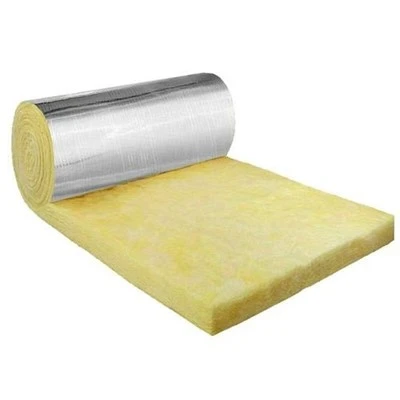
So, is rock wool insulation good for basement insulation? The answer is yes, in most cases. Rock wool insulation offers excellent thermal performance, fire resistance, soundproofing, moisture resistance, and durability, making it a good choice for basement insulation. However, it’s important to consider the installation, dust and irritation, and cost before making a decision.
Fire Rated Duct Wrap If you’re considering using rock wool insulation in your basement, I encourage you to contact us to discuss your needs. Our team of experts can help you determine the best type and amount of insulation for your basement and provide you with a free quote. We’re committed to providing high-quality insulation products and services that meet your needs and budget.
References
- Building Science Corporation. (2023). Insulation for Basements.
- National Research Council. (2023). Residential Insulation Materials: Performance, Properties, and Applications.
- Owens Corning. (2023). Rock Wool Insulation: Benefits and Applications.
- Rockwool International A/S. (2023). Rock Wool Insulation Technical Data.
Langfang Yafeng Energy-Saving Technology Co., Ltd.
As one of the most professional rock wool insulation manufacturers and suppliers in China, we’re featured by quality products and good price. Please rest assured to buy bulk premium rock wool insulation for sale here from our factory. Welcome to view our website for more information.
Address: Langfang Xinyafeng, Liugezhuang Town, Dacheng County, Langfang City, Hebei Province
E-mail: yafengbaowen@gmail.com
WebSite: https://www.xyfinsulation.com/
