Hey there! I’m a supplier of dried black fungus and elm ear, and I get asked a lot about the texture of these two amazing ingredients after they’re cooked. So, I thought I’d share my insights with you all. Dried Black Fungus & Elm Ear
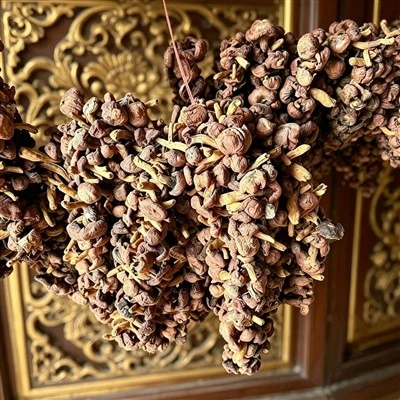
First off, let’s talk about dried black fungus. When you first look at it in its dried form, it’s all shriveled up and looks pretty unassuming. It’s dark, almost black, and has a rough, crinkly surface. You might be thinking, "How on earth is this going to turn into something good to eat?" Well, trust me, once you soak it and cook it, it’s a whole different story.
When you soak dried black fungus in water, it starts to rehydrate and expand. It can take anywhere from 30 minutes to a few hours, depending on how big the pieces are and how warm the water is. As it soaks, it becomes plump and soft, and the wrinkles start to smooth out. You can tell it’s ready when it’s no longer hard and brittle. It’ll have a kind of rubbery feel to it, but in a good way.
Now, onto the cooking part. Once it’s soaked, you can cook black fungus in a bunch of different ways. You can stir – fry it, add it to soups, or toss it in a salad. When stir – fried, the texture of black fungus is really interesting. It has this nice crunch, but it’s not like a hard crunch like a carrot. It’s more of a soft, chewy crunch. It also has a bit of elasticity, so when you bite into it, it kind of gives way and then bounces back a little. This makes it super fun to eat, and it adds a great contrast in texture to other ingredients in a stir – fry.
In soups, black fungus takes on a more delicate texture. It becomes softer and more tender, but it still retains a bit of its body. It absorbs the flavors of the soup really well, so it’s not just there for the texture but also for the taste. And when you use it in salads, the slightly crunchy and chewy texture adds a unique element that you don’t get from other greens or vegetables.
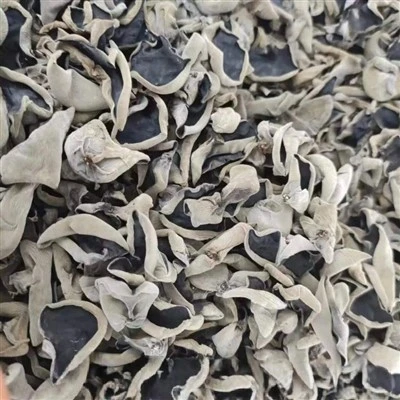
Let’s move on to elm ear. Dried elm ear looks a bit different from black fungus. It’s usually lighter in color, more of a yellowish – brown, and it has a more frilly, ear – like shape. When you soak dried elm ear, it behaves in a similar way to black fungus. It swells up and becomes soft and pliable.
The texture of cooked elm ear is a bit more gelatinous compared to black fungus. When you bite into it, it has a smooth, slippery mouthfeel. It’s almost like a cross between a soft jelly and a piece of tender meat. This gelatinous texture makes it perfect for adding to dishes where you want a bit of thickness and a unique mouthfeel, like in braised dishes or stews.
In braised dishes, elm ear absorbs the rich, savory flavors of the sauce while maintaining its soft, gelatinous texture. It’s not too firm and not too mushy, just right. And in stews, it adds a smooth and luxurious element. You can scoop it up on your spoon and enjoy the way it glides down your throat.
I’ve also found that elm ear can be used in desserts in some Asian cuisines. When cooked in a sweet syrup, its gelatinous texture becomes even more pronounced, and it takes on the sweet flavors of the syrup. It’s a really interesting and unique dessert ingredient.
One thing to note about both black fungus and elm ear is that they’re really low – calorie and high in fiber. So, they’re not only delicious with their unique textures but also good for you.
Now, if you’re a chef, a home cook looking to experiment, or a food business owner, I highly recommend trying out these two ingredients. The texture they bring to dishes is truly one – of – a – kind, and they can elevate your cooking to a whole new level. Whether you’re making a stir – fry for your family or a big batch of soup for a restaurant, adding black fungus and elm ear will make your dishes stand out.
If you’re interested in purchasing dried black fungus and elm ear, I’m here to help. I’ve been in the business for a long time, and I source the highest – quality products. You can reach out to me to discuss your procurement needs, and we can talk about prices and quantities. I’m always happy to work with customers to find the best solutions for their culinary or business requirements. So, don’t hesitate to get in touch!
Dried Black Fungus & Elm Ear References:
- "Modern Asian Cuisine" by various Asian chefs
- "Edible Mushrooms and Their Health Benefits" research paper from a food science journal
Qingyuan Manchu Autonomous County Lichang Native Produce Co., Ltd.
We are one of the most professional dried black fungus & elm ear manufacturers and suppliers in China, featured by quality products and good price. Please rest assured to wholesale bulk dried black fungus & elm ear for sale here from our factory. Welcome to view our website for more information.
Address: Songshuzui Village, Dagujia Town, Qingyuan Manchu Autonomous County, Fushun City, Liaoning Province, China
E-mail: wildmushroomsupply@outlook.com
WebSite: https://www.wildmushroomsupply.com/
