Hey there! I’m a supplier of FRP construction materials, and today I wanna chat about how these materials perform in seismic areas. FRP Construction Material

You know, earthquakes are one of the scariest natural disasters out there. They can cause massive destruction to buildings and put people’s lives at risk. That’s why it’s super important to use the right construction materials in earthquake – prone regions. And I truly believe that FRP materials are a game – changer in this aspect.
First off, let’s talk about what FRP is. FRP stands for Fiber – Reinforced Polymer. It’s a composite material made up of fibers (like glass, carbon, or aramid) embedded in a polymer matrix. This combination gives FRP some really cool properties that make it great for seismic – resistant construction.
One of the key advantages of FRP in seismic areas is its high strength – to – weight ratio. Compared to traditional construction materials like steel and concrete, FRP is much lighter. But don’t let its light weight fool you; it can still handle a huge amount of stress. In an earthquake, buildings are subjected to all kinds of forces, like lateral forces that try to push the building sideways. With its high strength, FRP can resist these forces better. For example, when an earthquake hits, a building made with FRP components can absorb and dissipate the seismic energy more effectively. This means less damage to the structure and a higher chance of keeping the building standing.
Flexibility is another outstanding feature of FRP. Concrete and steel can be pretty rigid. When an earthquake occurs, this rigidity can cause problems. If the ground shakes too much, the rigid structure may not be able to adapt to the movement, leading to cracks and even collapse. FRP, on the other hand, is flexible. It can bend and stretch a bit without breaking. This flexibility allows the building to move with the earthquake rather than going against it. It acts like a shock absorber, reducing the impact of the seismic waves on the building.
Corrosion resistance is also a big deal, especially in areas where the climate or soil conditions can cause metals to corrode. Steel is widely used in construction, but it corrodes over time, especially when exposed to moisture and certain chemicals. Once steel corrodes, its strength is significantly reduced, and this can be a huge problem during an earthquake. FRP doesn’t corrode. It can withstand harsh environmental conditions, maintaining its strength and integrity over the long term. This means that buildings constructed with FRP are more durable and reliable in seismic areas.
Installation of FRP is relatively easy too. It doesn’t require heavy – duty equipment like large cranes for every installation step, unlike when using steel or large concrete blocks. In a seismic – prone area, time is of the essence when it comes to repairing or retrofitting buildings. With FRP, contractors can complete the work faster, which is crucial, especially in the aftermath of an earthquake when many buildings may need immediate attention.
Let’s take a look at some real – world examples. There have been a few projects in seismic – active regions where FRP has been used, and the results have been quite impressive. In some buildings in California, which is well – known for its earthquakes, FRP was used to reinforce columns and beams. After a moderate – sized earthquake, the buildings showed minimal damage compared to those made with traditional materials. The FRP reinforcement helped to keep the structure stable and prevented major structural failures.
Another example is in Japan. Japan is constantly at risk of seismic activity. Some new buildings there have incorporated FRP materials into their design. These buildings have demonstrated better performance during simulated earthquake tests. The ability of FRP to absorb and distribute seismic energy has made the buildings more resilient.
Now, I know there are some concerns. Some people might wonder if FRP is cost – effective. Well, initially, the cost of FRP materials might seem a bit higher than traditional materials. But when you consider the long – term benefits, like lower maintenance costs (because of its corrosion resistance) and the potential savings from reduced earthquake – related damage, it’s actually a pretty good investment. Also, as the technology for producing FRP becomes more advanced, the cost is gradually coming down.
There’s also the question of fire resistance. FRP isn’t as fire – resistant as concrete or steel. But nowadays, there are FRP products with improved fire – retardant properties. Manufacturers are constantly working on developing better formulations to make FRP safer in case of a fire. And in a building, other fire – protection measures can be combined with FRP to ensure overall safety.
So, if you’re in a seismic area and you’re involved in construction projects, whether it’s building new structures or retrofitting old ones, FRP construction materials are definitely worth considering. They offer a great combination of strength, flexibility, durability, and ease of installation that can help protect your buildings and the people inside them during an earthquake.
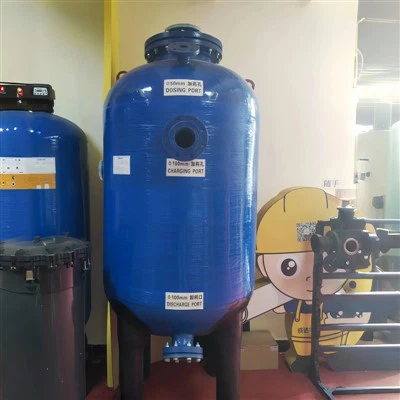
If you’re interested in learning more about our FRP construction materials or getting a quote for your project, don’t hesitate to reach out. We’re here to offer the best products and solutions to meet your needs in seismic – resistant construction. Let’s work together to build a more earthquake – resilient world!
FRP Mold References:
- ASCE (American Society of Civil Engineers). Seismic Design Manual for Fiber – Reinforced Polymer Reinforcement.
- International Journal of FRP Composites in Construction. Various research papers on seismic performance of FRP in construction.
Hebei Weihan Environmental Protection Equipment Co., Ltd.
We’re well-known as one of the leading FRP construction material manufacturers and suppliers in China, featured by quality products and good service. Please rest assured to buy customized FRP construction material at competitive price from our factory. Contact us for more details.
Address: No. 666 Chuangye Road, Zaoqiang County, Hengshui City, Hebei Province
E-mail: weihanmachine@gmail.com
WebSite: https://www.whanfrp.com/
