Calf housing plays a pivotal role in the early development and well – being of calves. As a dedicated calf housing supplier, I understand the significance of providing a safe and healthy environment for these young animals. In this blog, I will delve into the essential safety measures that should be implemented in calf housing. Calf Housing
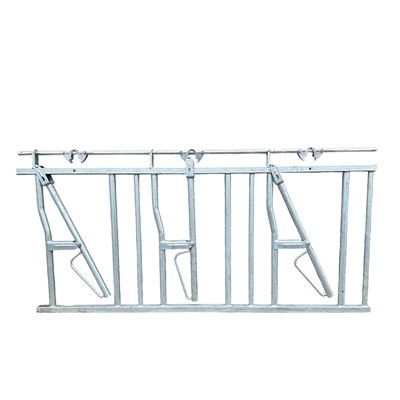
Hygiene and Sanitation
One of the primary safety aspects of calf housing is maintaining high levels of hygiene and sanitation. Calves have a relatively weak immune system, making them more susceptible to diseases. A clean environment helps to prevent the spread of pathogens and keeps the calves healthy.
Regular cleaning of the calf housing is crucial. This includes daily removal of manure and soiled bedding. Manure can harbor harmful bacteria, viruses, and parasites that can cause diseases such as diarrhea, pneumonia, and scours in calves. By removing it promptly, we can reduce the risk of these diseases.
Bedding also needs to be changed regularly. Clean, dry bedding provides a comfortable resting place for calves and helps to keep them warm. Straw, sawdust, or shredded paper are common bedding materials. However, they should be inspected regularly for signs of mold or mildew, as these can be harmful to the calves’ respiratory systems.
In addition to daily cleaning, a thorough disinfection of the calf housing should be carried out periodically. Use a suitable disinfectant that is effective against a wide range of pathogens. Make sure to follow the manufacturer’s instructions for proper dilution and application. Pay special attention to areas that are frequently touched or contaminated, such as feeding troughs, water buckets, and gates.
Ventilation
Proper ventilation is another vital safety measure in calf housing. Good air quality is essential for the health of calves, as it helps to remove moisture, ammonia, and other harmful gases from the environment.
Ammonia is produced from the decomposition of manure and urine. High levels of ammonia in the air can irritate the calves’ eyes, nose, and respiratory tract, making them more prone to respiratory diseases. Moisture in the air can also create a damp environment, which is conducive to the growth of mold and bacteria.
Ventilation systems should be designed to provide a continuous supply of fresh air while maintaining a comfortable temperature. Natural ventilation can be achieved through the use of windows, vents, or louvers. However, in areas with extreme weather conditions or in large – scale calf housing facilities, mechanical ventilation systems may be necessary.
Mechanical ventilation systems can be either positive – pressure or negative – pressure systems. Positive – pressure systems force fresh air into the building, while negative – pressure systems draw stale air out. The ventilation rate should be adjusted according to the number of calves, the size of the housing, and the outside weather conditions.
Temperature Control
Calves are sensitive to temperature changes, especially during the first few weeks of their lives. Maintaining an appropriate temperature in the calf housing is essential for their survival and growth.
Newborn calves are unable to regulate their body temperature effectively, so they need a warm and draft – free environment. In cold weather, additional heating sources may be required. Electric heaters, infrared lamps, or heated pads can be used to provide warmth. However, these heating sources should be installed safely to prevent the risk of fire or burns.
On the other hand, in hot weather, the calf housing should be cooled to prevent heat stress. Shade can be provided by using curtains, awnings, or natural vegetation. Fans can also be used to increase air movement and help the calves cool down.
Structural Safety
The physical structure of the calf housing must be safe and secure. This includes ensuring that the building is well – constructed and free from any hazards that could cause injury to the calves.
The walls and floors of the calf housing should be smooth and free from sharp edges or protrusions. Rough surfaces can cause abrasions or cuts on the calves’ skin, which can lead to infections. The floors should also be non – slippery to prevent the calves from falling and injuring themselves.
Gates and partitions should be sturdy and properly installed. They should be able to withstand the pressure exerted by the calves and prevent them from escaping. At the same time, the gates and partitions should be designed to allow easy access for feeding, cleaning, and veterinary care.
Feeding and Water Safety
Safe feeding and watering practices are essential for the health and well – being of calves. The feeding troughs and water buckets should be cleaned regularly to prevent the growth of bacteria and algae.
The feed should be of high quality and free from contaminants. It is important to follow the recommended feeding guidelines for calves based on their age and weight. Overfeeding or underfeeding can lead to health problems such as obesity or malnutrition.
The water supply should be clean and fresh at all times. Calves need an adequate amount of water for digestion, growth, and maintaining their body temperature. Water should be tested regularly for quality and treated if necessary.
Pest Control
Pests such as flies, rodents, and insects can pose a threat to the safety and health of calves. Flies can transmit diseases, while rodents can damage the calf housing and contaminate the feed and water.
Implementing a pest control program is essential. This can include the use of fly traps, insecticides, and rodent baits. However, care should be taken when using these products to ensure that they are safe for the calves. Natural pest control methods, such as the use of beneficial insects or plants that repel pests, can also be considered.
Staff Training
The safety of calves in housing also depends on the knowledge and skills of the staff. All employees involved in the care of calves should receive proper training on safety measures.
Training should cover topics such as hygiene and sanitation practices, proper use of equipment, temperature control, and emergency procedures. Staff should be aware of the signs of illness in calves and know when to seek veterinary assistance.
Monitoring and Record – Keeping
Regular monitoring of the calves and the housing environment is crucial for ensuring safety. This includes observing the calves’ behavior, appetite, and health status on a daily basis. Any changes in these parameters could indicate a problem that needs to be addressed.
In addition to monitoring the calves, the housing environment should also be monitored. Temperature, humidity, and air quality should be measured regularly to ensure that they are within the appropriate range.
Record – keeping is also an important part of safety management. Records of cleaning schedules, feeding amounts, veterinary treatments, and environmental conditions can help to identify trends and potential problems. This information can be used to make informed decisions about the care of the calves and the improvement of the housing conditions.
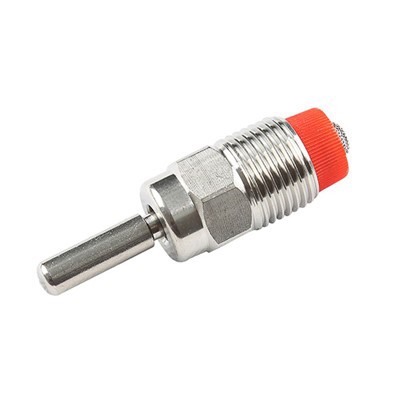
As a calf housing supplier, I am committed to providing products and services that meet the highest safety standards. Our calf housing solutions are designed with all these safety measures in mind, ensuring that your calves are provided with a safe and healthy environment.
Cattle Hay Feeders If you are looking for reliable calf housing solutions, I encourage you to reach out to us for a procurement discussion. We can customize the housing according to your specific needs and provide you with professional advice on calf care and safety.
References
- "Calf Health Management Handbook", University of Wisconsin – Extension.
- "Dairy Calf and Heifer Association Guidelines for Calf Housing and Management".
- "Livestock Housing and Equipment Handbook", American Society of Agricultural and Biological Engineers.
Hebei Honde Industrial Trade Imp & Exp Co., Ltd.
With abundant experience, we are one of the most professional calf housing manufacturers and suppliers in China. We warmly welcome you to wholesale high quality calf housing for sale here from our factory. We also accept customized orders.
Address: Room 1904, Yintai International Building, No.36 Guang’an Street, Shijiazhuang, Hebei, China
E-mail: Helen@hbhonde.com
WebSite: https://www.hondelivestocksupply.com/
