Hey everyone! I’m a supplier in the Fibrillation And Mixing business, and I’ve been getting a lot of questions lately about whether there’s a relationship between the moisture content of materials and fibrillation in mixing. So, I thought I’d dive into this topic and share my thoughts and experiences. Fibrillation And Mixing
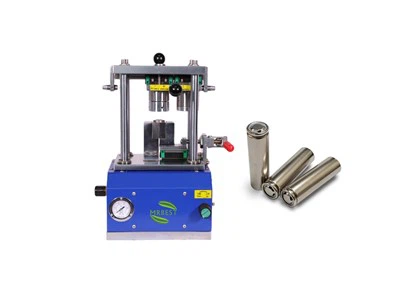
Let’s start by understanding what fibrillation and moisture content are all about. Fibrillation is the process of breaking down a material into its fine fibers. This is super important in a bunch of industries, like papermaking, textiles, and composites. In papermaking, for example, fibrillation helps the fibers bond together better, which improves the strength and quality of the paper.
Moisture content, on the other hand, is just how much water is in a material. Every material has a different optimal moisture level for different processes. Some materials work best when they’re a bit wet, while others need to be pretty dry.
So, is there a connection between these two? You bet there is! In fact, moisture content can have a huge impact on the fibrillation process during mixing.
How Moisture Affects Fibrillation
One of the main ways moisture affects fibrillation is by changing the physical properties of the materials. When a material has a high moisture content, the water acts as a lubricant. This can make it easier for the fibers to slide past each other during mixing. In some cases, this can lead to more effective fibrillation because the fibers are more flexible and less likely to break.
For instance, in the production of cellulose fibers, a certain amount of moisture can help in the fibrillation process. The water molecules penetrate the cellulose structure, swelling the fibers and making them more pliable. As a result, when these fibers are mixed, they can be more easily broken down into finer fibrils.
However, too much moisture can also be a problem. If there’s an excessive amount of water, the fibers might clump together. These clumps are harder to break down, and it can actually reduce the efficiency of the fibrillation process. The mixing equipment might also have a harder time handling the wet, sticky mass, leading to longer processing times and potentially more wear and tear on the machinery.
On the flip side, low moisture content can make the fibers brittle. When the fibers are dry, they’re more likely to break rather than fibrillate. This can result in a lower-quality end product because instead of getting fine, tangled fibrils, you end up with a bunch of short, broken fibers.
Finding the Sweet Spot
As a Fibrillation And Mixing supplier, I’ve seen firsthand how crucial it is to find the right moisture content for each material. Different materials have different requirements, and it often takes some trial and error.
For some materials, we use pre – conditioning processes to adjust the moisture content before mixing. This might involve drying the material in an oven or adding water in a controlled way. By carefully controlling the moisture, we can optimize the fibrillation process and get the best results.
In the lab, we use moisture meters to accurately measure the moisture content of the materials. This helps us make precise adjustments and ensures that we’re always within the optimal range. We also keep a close eye on how the materials behave during mixing. If the fibrillation isn’t going as well as expected, we’ll check the moisture content and make any necessary changes.
Case Studies
Let me share a couple of real – world examples to illustrate the relationship between moisture content and fibrillation in mixing.
In one project, we were working with a customer who was making a composite material using natural fibers. They were having trouble getting the fibers to fibrillate properly, and the end product was lacking in strength. After some investigation, we found that the moisture content of the fibers was too low. The fibers were so dry that they were breaking rather than fibrillating.
We suggested that they pre – condition the fibers by adding a small amount of water. We helped them set up a simple process to evenly moisten the fibers. Once they did this, the fibrillation improved significantly. The fibers were more flexible, and they were able to form a stronger network within the composite. The end product had much better mechanical properties, and the customer was really happy with the results.
In another case, a company was making paper from recycled fibers. They were using a high – speed mixer, but the fibrillation wasn’t as efficient as it could be. We discovered that the moisture content of the recycled fibers was too high. The fibers were clumping together, and the mixer was struggling to break them down.
We recommended that they dry the fibers slightly before mixing. After they made this change, the mixer was able to work more effectively. The fibers were separated and fibrillated more evenly, resulting in higher – quality paper with better strength and smoothness.
Tips for Controlling Moisture in Fibrillation and Mixing
If you’re in the business of fibrillation and mixing, here are some tips to help you control the moisture content of your materials:
- Understand your materials: Different materials have different optimal moisture levels. Do some research or run some tests to figure out what works best for the materials you’re using.
- Use proper storage: Keep your materials in a controlled environment to prevent them from absorbing or losing too much moisture. For example, if you’re storing dry materials, keep them in a sealed container in a dry place.
- Invest in moisture measurement equipment: A good moisture meter can help you accurately measure the moisture content of your materials. This allows you to make informed decisions about whether to add or remove moisture.
- Be flexible: The moisture content of materials can vary depending on factors like humidity and temperature. Be prepared to adjust your processes accordingly.
Conclusion
In conclusion, there’s definitely a strong relationship between the moisture content of materials and fibrillation in mixing. Getting the moisture content right is crucial for optimizing the fibrillation process and producing high – quality end products.
As a Fibrillation And Mixing supplier, I’m here to help you navigate these challenges. Whether you need advice on finding the right moisture level for your materials, setting up a pre – conditioning process, or choosing the right mixing equipment, I’m just a message away.
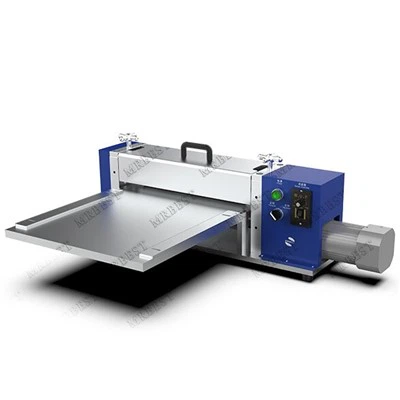
Rolling Press Machine If you’re interested in learning more about how we can help you with your fibrillation and mixing needs, or if you want to discuss purchasing our products and services, feel free to reach out. Let’s work together to make your production processes more efficient and your products better!
References
- Rowell, R. M., Han, J. S., & Youngquist, J. A. (Eds.). (2005). Wood handbook: Wood as an engineering material. U.S. Department of Agriculture, Forest Service, Forest Products Laboratory.
- Klemm, D., Kramer, F., Moritz, S., Lindstrom, T., Ankerfors, M., Gray, D., & Dorris, A. (2011). Nanocelluloses: A new family of nature – based materials. Angewandte Chemie International Edition, 50(24), 5438 – 5455.
Shenzhen Meirui Zhida Technology Co., Ltd.
Shenzhen Meirui Zhida Technology Co., Ltd. is one of the most professional fibrillation and mixing manufacturers and suppliers in China, specialized in providing high quality products with low price. If you’re going to buy bulk discount fibrillation and mixing made in China, welcome to get pricelist and quotation from our factory.
Address: 104 Building 6, Second Industrial Zone, Shanmen Community, Yanluo Street, Baoan District, Shenzhen China
E-mail: mrbest@szmrbest.com
WebSite: https://www.szmrbest.com/
