Can HPMC capsules be used for controlled – release formulations? HPMC Capsules

As a provider of Hypromellose (HPMC) capsules, I often encounter inquiries from clients regarding the suitability of HPMC capsules for controlled – release formulations. This is a highly relevant and crucial question in the pharmaceutical and nutraceutical industries, where controlled – release technology is increasingly in demand. In this blog, I will explore the potential of HPMC capsules in controlled – release formulations, delving into their properties, advantages, challenges, and real – world applications.
Properties of HPMC Capsules
HPMC is a semi – synthetic, inert, viscoelastic polymer that is widely used in the pharmaceutical and food industries. HPMC capsules are known for several key properties that make them a candidate for controlled – release applications.
Firstly, HPMC is hydrophilic, which means it has an affinity for water. When in contact with an aqueous environment, such as the gastrointestinal tract, HPMC capsules can swell and form a gel – like layer on their surface. This gel layer plays a vital role in controlling the release of the encapsulated substances. The rate of swelling and gel formation can be adjusted by modifying the molecular weight and degree of substitution of the HPMC polymer, allowing for a certain level of control over the release profile.
Secondly, HPMC capsules are biocompatible and non – toxic. They are well – tolerated by the human body, which is essential for any product intended for oral administration. This biocompatibility ensures that the capsules do not cause adverse reactions in patients, making them a safe option for drug and supplement delivery systems.
Thirdly, HPMC capsules are stable under a wide range of environmental conditions. They have good resistance to humidity, heat, and light, which helps to maintain the integrity of the encapsulated formulation during storage and transportation. This stability is particularly important for controlled – release formulations, as any degradation or change in the capsule properties could affect the release kinetics.
Advantages of Using HPMC Capsules for Controlled – Release Formulations
There are several significant advantages of using HPMC capsules in controlled – release formulations.
One of the main advantages is the flexibility in designing release profiles. By adjusting the formulation of the HPMC capsules, such as the type and amount of HPMC used, as well as the addition of other excipients, it is possible to achieve different release patterns. For example, a slow – release profile can be designed for drugs that need to be released gradually over an extended period, reducing the frequency of dosing and improving patient compliance. On the other hand, a pulsatile release profile can be created to mimic the natural physiological rhythms of the body, which may be beneficial for certain drugs.
Another advantage is the ability to protect sensitive ingredients. Many drugs and nutraceuticals are sensitive to factors such as moisture, oxygen, and light. HPMC capsules can act as a physical barrier, protecting the encapsulated substances from these external factors. This protection helps to maintain the stability and efficacy of the active ingredients, especially during the controlled – release process.
HPMC capsules also offer better patient acceptance compared to some other types of capsules. They are tasteless and odorless, which makes them easier to swallow for patients. Additionally, they are suitable for vegetarian and vegan consumers, as they are made from plant – based materials, unlike gelatin capsules which are derived from animal sources.
Challenges in Using HPMC Capsules for Controlled – Release Formulations
Despite the many advantages, there are also some challenges associated with using HPMC capsules for controlled – release formulations.
One of the challenges is the variability in the release rate. The release of the encapsulated substances from HPMC capsules can be influenced by various factors, such as the pH of the gastrointestinal tract, the presence of food, and the individual differences in the digestive system of patients. These factors can lead to inconsistent release rates, which may affect the therapeutic efficacy of the drug. To address this issue, extensive in – vitro and in – vivo studies are required to optimize the formulation and ensure reliable release profiles.
Another challenge is the cost. The production of HPMC capsules with specific controlled – release properties may require special manufacturing processes and the use of high – quality raw materials. This can increase the cost of production compared to conventional capsules. However, as the demand for controlled – release formulations grows and the technology advances, the cost is expected to become more competitive over time.
The mechanical properties of HPMC capsules can also pose a challenge. In some cases, the capsules may be more brittle than gelatin capsules, which can lead to breakage during handling and filling processes. This requires careful control of the manufacturing and packaging processes to ensure the integrity of the capsules.
Real – World Applications
In the pharmaceutical industry, HPMC capsules are being increasingly used for controlled – release medications. For example, some anti – hypertensive drugs are formulated in HPMC capsules to provide a slow and sustained release of the active ingredient, maintaining a stable blood pressure throughout the day. This reduces the need for multiple daily doses, improving patient convenience and adherence to the treatment regimen.
In the nutraceutical field, HPMC capsules are used for the controlled release of vitamins, minerals, and herbal extracts. For instance, a long – acting vitamin C supplement encapsulated in HPMC capsules can provide a continuous supply of vitamin C to the body over an extended period, enhancing its absorption and utilization.
Conclusion
In conclusion, HPMC capsules have significant potential for use in controlled – release formulations. Their unique properties, such as hydrophilicity, biocompatibility, and stability, make them well – suited for controlling the release of various substances. The flexibility in designing release profiles and the ability to protect sensitive ingredients offer numerous advantages in the pharmaceutical and nutraceutical industries.
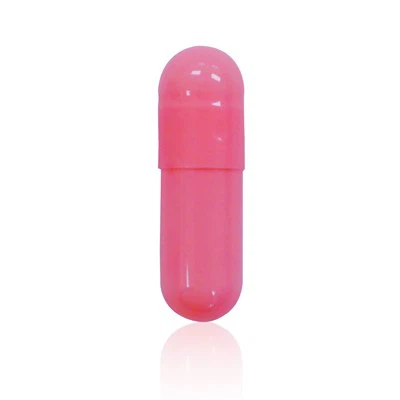
However, challenges such as variability in release rate, cost, and mechanical properties need to be addressed through further research and development. As technology continues to evolve, the use of HPMC capsules for controlled – release formulations is likely to become more widespread and reliable.
Liquid-Filled Capsules If you are interested in learning more about our HPMC capsules and their potential for your controlled – release formulations, we welcome you to contact us for a detailed discussion. Our team of experts is ready to provide you with professional advice and customized solutions to meet your specific needs.
References
- Peppas, N. A., & Bures, P. (2000). Hydrogels in pharmaceutical formulations. European Journal of Pharmaceutics and Biopharmaceutics, 50(1), 27 – 46.
- Collett, J. H., & Newton, J. M. (1991). The influence of formulation variables on the release of drugs from hydroxypropyl methylcellulose matrices. Journal of Controlled Release, 15(1), 71 – 83.
- Siepmann, J., & Peppas, N. A. (2001). Modeling of drug release from delivery systems based on hydroxypropyl methylcellulose (HPMC). Advanced Drug Delivery Reviews, 48(1), 139 – 157.
Hubei Kornnac Pharmaceutical Co., Ltd.
Hubei Kornnac Pharmaceutical Co., Ltd. is one of the most professional hpmc capsules manufacturers and suppliers in China, specialized in providing high quality OEM service. Welcome you to buy bulk customized hpmc capsules at competitive price from our factory. Also, samples are available.
Address: No.439 Hebei Avenue, Chibi, Hubei Province, 437300, China.
E-mail: service@kornnaccaps.com
WebSite: https://www.kornnaccaps.com/
