Hey there, thanks for swinging by my blog – I’m Jake, and I’ve been running a small steel fence supply company for the past 12 years. Most days, I chat with homeowners, farm owners, and commercial property managers who stop by my shop or slide into my DMs asking the same thing: “Can steel fence gates even be automated?” If you’re one of them, you’re in the right spot. I’ve seen way too much misinformation online about this, and I’ve installed my fair share of automated steel gates over the years, so let’s cut through the noise. Steel Fence
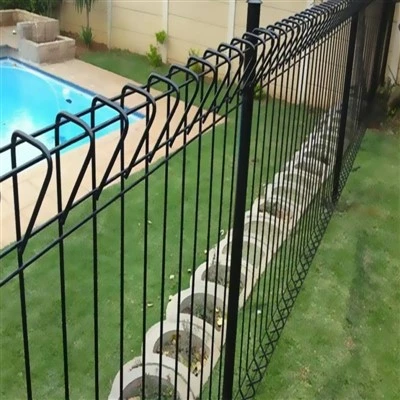
First off, let’s get one thing straight: steel fence gates are ideal for automation, not some afterthought. I remember a customer last spring – a guy who runs a 40-acre horse farm – came to me because he was sick of hauling himself out of bed at 2 a.m. to let his mares out when it was time to move them to the pasture. He’d tried automatic gates made from flimsy aluminum before, which broke within six months because the weight of the gate and the constant freeze-thaw cycle twisted it. Once we swapped it for a 12-foot heavy-duty steel gate from our line and added a proper automated opener, he told me later he’s saved hours a week and hasn’t had a breakdown in 10 months. That’s the real stuff, not the marketing fluff you see on big-box store websites.
But wait, it’s not just “buy a steel gate and slap an opener on it” – there’s science here, and it matters a lot. Let’s break down the big factors that make automation work (or not work) for steel gates. First, weight. Steel is strong, right? But a solid 14-foot steel double gate can weigh anywhere from 800 to 1,200 pounds. If you cheap out on the opener – like, grab that $150 random opener off Amazon – it’s not going to move that heavy gate. I always tell customers: the opener needs to be rated for at least the full weight of your steel gate, plus a 20% buffer for wear and tear. That’s the stuff that keeps it from jamming mid-swing in the middle of a rainstorm.
Then there’s gate type. Automatic steel gates come in two main styles: swing and slide. Swing gates are the classic ones that open outward like a door – perfect for driveways where you have space to swing them, like most residential properties. Slide gates are for tighter spots, commercial lots, or places where swing gates would block a sidewalk or another structure. Steel’s rigidity makes both options work, but slide gates need a track to glide on, and that track has to be installed perfectly level. If it’s off by even a quarter-inch, a heavy steel gate will bind up, and before you know it, the opener is straining, and you’re calling me to fix a $500 gate instead of a $200 installation that could’ve fixed it.
Another big one is corrosion resistance. Steel, left untreated, rusts. If you live in a humid area, near the coast, or where salt is spread on roads in winter, your automated steel gate’s metal parts – not just the gate itself, but the opener’s hardware, hinges, and the gate’s frame – need to be galvanized or powder-coated. I always supply my customers with powder-coated steel gates because it’s a thicker, more durable finish than paint, and it won’t chip or peel after a few years of sun and rain. I once had a customer who skipped this, and within 18 months, his gate’s lower rail had rusted through, making it uneven and breaking the opener. Total cost: way more than if he’d just paid a little extra for the coated steel to begin with.
Now, let’s talk about the good stuff when you automate a steel gate. For my farm customers, it’s all about convenience – no more standing in the cold unlocking gates, no more forgetting to lock up at night, which is a big deal for animal safety. For commercial property owners, it’s about security too. Steel is way harder to break through than wood or aluminum, and when you add automation, you can set up keycards, app controls, or even license plate recognition so only authorized people can get in. I have a retail park customer who uses that – since he installed the automated steel gate last summer, shoplifting from the loading docks has dropped 40%, and his employees no longer have to wait around for a manager to let them in after hours.
Wait, but I know what some of you are thinking: “What about safety?” That’s a valid concern, especially if you have kids or pets. Automatic gates have come a long way from the ones that would clamp down on a kid’s hand or a dog’s tail. Modern openers have safety sensors – the ones that stop the gate if anything crosses its path – and you can even get ones with backup batteries, so if the power goes out, you can still open or close the gate manually. I always make sure to explain that to customers who are worried about that; safety isn’t an afterthought for automation, it’s a requirement for most good installers.
Let me also bust a myth I hear all the time: “Steel gates are too heavy to automate without a huge, unsightly opener.” Nope. Modern openers are compact – you can mount them right on the post, and for swing gates, they’re barely noticeable once installed. I’ve installed openers on 1,000-pound steel gates that are smaller than a carry-on suitcase, and they fit seamlessly with the gate design. The key is matching the opener’s power to the gate’s weight, which is why I never let customers pick an opener just based on price.
Another point: maintenance. Automated steel gates do need a little upkeep, but it’s not hard. I tell my customers to spray the hinges and the opener’s moving parts with a silicone lubricant once every six months, check the gate’s alignment twice a year, and make sure the powder coat or paint is in good shape so rust doesn’t creep in. If you do that, an automated steel gate can last 20 years or more – way longer than a flimsy aluminum gate with a cheap opener that dies in three. I’ve got a customer who’s had his automated steel gate for 15 years, and the only maintenance he’s done is lubricating the hinges once a year. That’s the kind of return on investment you don’t get with other gate materials.
Now, let’s cover the downsides, because I’m not here to sell you something that’s perfect for everyone. If you have a super narrow driveway, a slide gate might not work if there’s no space for it to glide. If you live in an area with extremely heavy snow, you have to make sure the gate’s bottom rail is high enough to clear snow, or you’ll have to shovel every time you want to open it. And yes, automated gates are a bigger upfront cost than manual ones – but when you factor in convenience, security, and longevity, it’s worth it for most people. I always break it down for customers: a manual steel gate costs around $1,500, add automation, and it’s $2,500. But that $1,000 difference pays for itself in saved time, less repair costs, and better security within a few years.
Last month, a guy who runs a residential property in the suburbs came to me. He had a wooden gate that kept getting knocked off its hinges by a delivery truck, and he wanted something that was secure for his family’s two dogs and his packages. We went with a 10-foot powder-coated steel swing gate, a medium-duty opener rated for 700 pounds, and added app control so he can open the gate from his phone even if he’s at work. A week later, he texted me a video of his dog chasing a squirrel, and the gate opened automatically when he pulled up, no fumbling with keys. That’s the kind of win that makes this job worth it.
If you’re still on the fence about automating your steel fence gate, here’s what I recommend first: figure out what you need it for. Is it convenience for a farm? Security for a commercial property? Safety for a residential driveway? Then, talk to a supplier who knows their stuff – like me, for example – who can help you pick the right gate and opener for your space. Don’t just go for the cheapest option; a good automated steel gate is an investment, not a one-and-done purchase.
If you’re ready to take the next step, reach out to my team to chat about your project. We can walk you through gate sizes, opener options, pricing, and even schedule a time to measure your property if you’re local. No pressure, just straight talk about what will work for you, not what we’re trying to push to hit a quota.
Court Fence References:
- American Fence Association. (2022). Automated Gate Safety and Installation Guidelines.
- Steel Market Development Institute. (2021). Long-Term Performance of Steel Fence Systems for Residential and Commercial Applications.
- International Code Council. (2023). Residential Code Requirements for Automated Access Control Systems.
Anping County Chengrun Metal Products Co., Ltd.
With abundant experience, we are one of the most professional steel fence manufacturers and suppliers in China. Please feel free to buy premium steel fence for sale here from our factory. All customized metal products are with high quality and competitive price.
Address: Anping County, Hengshui City, Hebei Province, China
E-mail: sales@chengrunfence.com
WebSite: https://www.chengrunfence.com/
