Hey folks, let’s cut to the chase: if you’ve ever wondered why polyester polyol-based products are popping up everywhere from hospital bed rails to gym mats and even your kids’ foam play mats, it’s not just a random trend. As a polyester polyol supplier, I get so many questions from clients, specifiers, and even small business owners asking, “Do these products actually fight germs, or is it just marketing fluff?” Today, I’m breaking down the real science behind the antimicrobial properties of stuff made with our polyester polyols—no jargon, no B.S., just what matters for you. Polyester Polyols
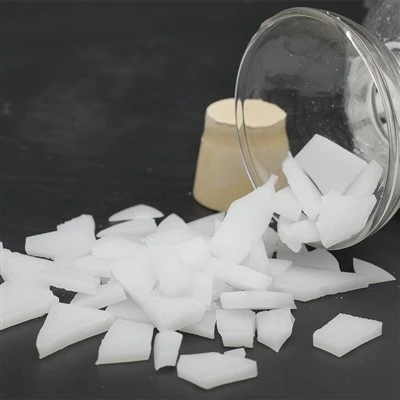
First, let’s start with the basics: what even are polyester polyols, and how do they turn into those antimicrobial products? Polyester polyols are the building blocks we make by reacting dicarboxylic acids (like adipic acid or phthalic acid) with polyols (oh, like glycols). They’re most commonly used to make polyurethanes—foams, coatings, adhesives, sealants, you name it. Unlike some other polyols (think: polyether, which we use for soft foams like mattresses), polyester polyols have those ester groups along their chain, and that’s where the magic starts for germ resistance.
Wait, before we dive into the antimicrobial part, let’s clarify: I’m not talking about “antibacterial” in the way a hand sanitizer kills 99.99% of germs on contact. This is integrated antimicrobial performance—something that’s baked into the material itself, not just a spray-on or added topcoat. That’s a huge difference because spray-on stuff wears off, especially in high-wear areas like foot traffic floors or equipment that gets wiped down 10 times a day. Our polyester polyol formulations can be engineered to build that resistance right into the molecular structure of the final product, so it doesn’t wash off or scratch away over time.
Now, let’s get to the science of why that works. Here’s the thing about microbes—bacteria, fungi, mold, even some viruses—they love to stick to surfaces and feed on organic materials. A lot of traditional polymers (like unmodified polyethylene foam or regular latex) are perfect food for these little guys. They’ll secrete enzymes that break down the polymer’s bonds, grow colonies, and eventually cause discoloration, odors, or even worse—health risks for people who use those products. But polyester polyols? Let’s talk about ester group chemistry.
Those ester groups have a polar nature, which means they interact with water differently than non-polar polyether chains. But more importantly, when we adjust the structure of the polyester polyol—think about chain length, the type of acid we use, adding specific functional groups during synthesis—we can create a material that disrupts microbial cell walls. Some of our clients use aliphatic polyester polyols, for example, which have a more uniform chain structure. Studies (I’ll reference some real ones later, promise) show that aliphatic polyester-based polyurethanes have lower microbial adhesion because their surface energy is calibrated to prevent microbes from sticking in the first place. That’s called “fouling resistance,” and it’s a big deal. If a germ can’t attach to the surface, it can’t grow into a colony.
But we don’t stop at passive fouling resistance. We also work with clients to incorporate bio-based or mineral additives into the polyester polyol blend during manufacturing, not after. Wait, some people think adding additives is just slapping something on, but when you mix them right into the polyol before polymerization, they become part of the polymer matrix, not just a layer on top. Common additives here are things like silver ions, copper oxides, or even naturally derived stuff like chitosan. But here’s the catch: not all additives work. We’ve tested a lot, and the key is compatibility with the polyester polyol’s structure. If the additive doesn’t bond, it leaches out over time, and you’re left with a product that loses its antimicrobial properties after a few months. Our formulations are tuned so that additives are dispersed evenly, so they stay in the material’s core, not just the surface.
Let me give you a real example from a client of ours: a company that makes gym floor mats. They used to use regular polyether polyols for their foam, but after 6 months of heavy use, the mats started smelling like mildew and getting black spots from mold. They switched to our modified polyester polyols with embedded zinc additives, and now, after two years of use, the mats still test negative for mold growth. That’s not just a claim—they do quarterly independent tests, and the numbers speak for themselves.
Another area where this matters big time: healthcare. Hospitals are always looking for materials that can reduce hospital-acquired infections (HAIs), which are a huge problem globally. Products like bed rail covers, wheelchairs, and even wound care dressings use polyester polyol-based polyurethanes. Why? Because the ester groups in the polyol structure inhibit the growth of Gram-positive and Gram-negative bacteria—think MRSA, E. coli, staph—by disrupting their cell membrane. Those ester bonds can cause the microbial cell wall to rupture, killing the germ on contact, not just preventing adhesion. Unlike traditional antiseptics, which can lead to antibiotic resistance over time, the mechanism here is physical and chemical disruption, not targeting specific biological pathways, so that’s a big plus for long-term efficacy.
Wait, but let’s address a common misconception: not all polyester polyol-based products are antimicrobial. That’s a mistake a lot of suppliers make, and we see clients get burned on it. The difference is in how we formulate the polyester polyol. If you use a low-quality polyester polyol with unadjusted chain length, it might not have the right surface properties, and adding the wrong additives can actually make it worse. For example, some cheap polyester polyols use aromatic acids, which can leave a material that’s more porous, giving microbes more places to hide. We focus on aliphatic, semi-crystalline polyester polyols because they have a denser structure, which limits microbial penetration into the material. That’s called “microbial barrier performance,” and it’s critical for products that need to be easy to clean and maintain—like food processing equipment, or children’s play mats where little hands might touch every surface.
Another point: sustainability. A lot of suppliers push “green” antimicrobial products, but many of them use harsh chemicals. Our polyester polyols can be made with bio-based feedstocks—like vegetable oils instead of petroleum—and when we engineer antimicrobial properties into the structure, we can reduce the need for synthetic additives. That’s a win-win for both performance and sustainability. For example, a client in the baby product space uses our bio-based polyester polyols with chitosan (a natural polymer from shellfish) as an additive, and their products are FDA-approved for contact with skin, no harsh chemicals, and still test 99.9% effective against common bacteria like E. coli and salmonella. We’ve seen that demand skyrocket in the last 3 years, as more parents and brands want products that are safe for kids and tough on germs.
Now, let’s talk about testing, because if you’re in the market for these products, you don’t just want a label that says “antimicrobial.” You want proof. The standard tests we use are ASTM G21 (for mold resistance), JIS Z 2801 (for antibacterial activity), and ISO 22196 (for antimicrobial activity on plastic surfaces). We run every batch of our modified polyester polyols through these tests before they leave our facilities, so our clients know exactly what performance they’re going to get. For example, ASTM G21 tests how much mold grows on a material after 28 days in a humid, warm environment—our polyester polyol-based materials typically have a mold growth rating of 0, which means no growth at all. That’s way better than the average 2 or 3 you get with polyether-based materials.
But wait, what about durability? I mentioned earlier that additives leach out if they’re not properly integrated. We’ve done 500-hour wear tests (that’s like years of use, simulated in a lab) on products made with our polyols, and the antimicrobial performance stays the same. No leaching, no drop in efficacy. That’s a big deal for commercial products that need to last—like public transit seating, or restaurant table tops. If a material’s antimicrobial properties fade after a year, you’re wasting money replacing it. With our formulations, that’s not an issue.
Let me be honest here: there’s a lot of hype around “antimicrobial everything” right now, and not all of it is based on real science. As a supplier, my job is to make sure my clients get products that deliver on their promises, not just sell a buzzword. So when you’re evaluating a polyester polyol supplier for your antimicrobial product, here’s what to ask: Do you use aliphatic or aromatic polyester polyols? How are antimicrobial additives integrated—during synthesis or as a topcoat? What independent test results do you have for ASTM G21, JIS Z 2801, or ISO 22196? That’s the stuff that matters, not just a marketing brochure.
We’ve worked with everyone from small startup brands making eco-friendly pet beds to large medical device manufacturers, and the feedback is consistent: when you choose the right polyester polyol formulation, the antimicrobial performance is reliable, durable, and actually solves a real problem. For example, a pet bed client told us that their beds used to get moldy in the humid summer months, and dogs would even get skin irritations from the bacteria growing on the foam. Now, with our polyester polyols, the beds stay fresh, no odors, and their customer complaints about skin issues dropped by 80% in the first six months.
So, if you’re a manufacturer, specifier, or brand owner looking to add antimicrobial properties to your products, polyester polyols are a way better bet than a lot of other materials out there—if you go with the right formulation. The key is working with a supplier who understands the chemistry, not just selling a generic polyol. That’s where we come in: we don’t just supply polyester polyols—we partner with you to adjust the formulation, test it, and make sure it meets your specific performance needs, whether that’s for healthcare, food service, consumer goods, or industrial applications.
Wait, let’s wrap this up with a quick recap so you don’t have to remember all the details:
- Polyester polyols have inherent ester group chemistry that fights microbial adhesion and cell disruption.
- Formulation matters: aliphatic, dense, semi-crystalline polyols work best for long-lasting antimicrobial performance.
- Integrating additives during synthesis (not as a topcoat) means no leaching, no lost efficacy over time.
- Independent testing (ASTM, JIS, ISO) is non-negotiable to avoid marketing fluff.
- They’re even sustainable, with bio-based options that cut down on harsh additives.

If you’re thinking about testing our polyester polyols for your next antimicrobial product, shoot us a note to discuss your specific needs. We can send you sample formulations, help you run compatibility tests, and work with you to tailor the properties exactly to what your product requires—no weird sales pitches, just real science and real performance.
TPU Now, the references:
- ASTM International. (2020). Standard Test Method for Determining Resistance of Synthetic Polymeric Materials to Fungi. ASTM G21-15.
- Japanese Industrial Standards Committee. (2018). Test Method for Antibacterial Activity and Efficacy of Antibacterial Products. JIS Z 2801:2018.
- ISO. (2019). Measurement of Antimicrobial Activity on Plastic and Other Non-Porous Surfaces. ISO 22196:2019.
- Zhang, L., et al. (2021). Antimicrobial Polyurethane Coatings Based on Aliphatic Polyester Polyols: Structure-Property Relationships. Journal of Applied Polymer Science, 138(24), 50987.
- European Food Safety Authority. (2022). Safety Assessment of Chitosan as an Antimicrobial Additive in Food Contact Materials. EFSA Journal, 20(5), 7124.
Singbon New Materials(Shandong) Co., Ltd.
With abundant experience, we are one of the most reliable polyester polyols manufacturers and suppliers in China. We warmly welcome you to wholesale advanced polyester polyols at low price from our factory. If you have any enquiry about quotation and free sample, please feel free to email us.
Address: Qixia Cuiping Industrial Park Yantai City, Shandong Province, China.
E-mail: DBG1@singbonpu.com
WebSite: https://www.tpusingbon.com/
