Hey everyone, and thanks for swinging by the blog! If you’re here, you’re probably curious about electric city bikes—like, how much they actually cost, right? I get it, because when I started out as an electric city bike supplier, I had no clue if my price points were fair, or if I was undercutting myself, or overcharging folks who just wanted a reliable two-wheeler to zip around town. Let’s cut to the chase: the average price of an electric city bike isn’t some random number you pull out of thin air. It depends on a ton of stuff, and I’m gonna break it down like we’re chatting over a coffee (no fancy jargon, promise). Electric City Bike
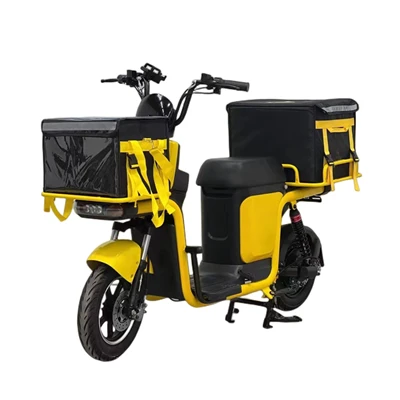
First off, let’s get one thing straight: not all electric city bikes are made equal. I see so many people online lumping every e-bike into the same bucket, but that’s a huge mistake. An electric city bike isn’t a mountain bike built for trails, or a road bike that’s light enough to race. It’s made for zipping from your apartment to the café, to work, to the grocery store—stop-and-go traffic, potholed side streets, maybe a quick ride up a slight hill. So the parts matter a lot here.
Let’s start with the basics: entry-level electric city bikes. These are the ones for people who just want to dip their toes in the water, or don’t ride super often. What’s the average price for these? Honestly, around $800 to $1,500. Wait, I know what you’re thinking—why so cheap? Let’s be real: entry-level models use simpler batteries, usually 250W motors (that’s the legal limit in a lot of places, like the EU and parts of the US for non-moped e-bikes), basic frame materials (aluminum, not carbon), and they skip fancy extras like integrated lights or built-in racks. I’ve sold a lot of these to college students or casual riders who just don’t need anything over the top. But here’s the thing—don’t expect these to last forever. The battery might only go 20 to 30 miles on a single charge, and the motor might not hold up if you’re carrying a lot of stuff. Still, for someone who rides once or twice a week, that’s a solid deal.
Next up is the mid-range sweet spot. This is where most of my sales come from, actually—around $1,800 to $3,000. Why is this the sweet spot? Let’s list the upgrades here. Better batteries: usually 500Wh to 625Wh, so range jumps to 40 to 60 miles per charge. Motors are a bit more powerful, 350W to 500W, which handles hills way better if you live in a hilly city like San Francisco or Portland. Frames are still aluminum, but they’re built more sturdily, and you get nice extras like fenders, racks, integrated lights, maybe even a small display on the handlebar that shows your speed or battery level. A lot of commuters go for these because they’re reliable, can handle a full week of work commutes without charging, and don’t break the bank. I had a regular customer last year who works downtown, and he upgraded from an entry-level to mid-range after his old battery died—he said the range was a game-changer, since he sometimes rides to a coffee shop on his lunch break and doesn’t have time to charge.
Then there’s the premium end. These are the high-end electric city bikes, usually over $3,000, sometimes way over—like $4,000 to $6,000, or even more for custom builds. What makes these worth (or not worth) the price? Let’s see: carbon frames (way lighter than aluminum, but still strong), top-of-the-line motors from brands like Bosch or Shimano, high-capacity batteries that can go 70+ miles, hydraulic disc brakes for way better stopping power, and fancy features like Bluetooth connectivity, app integration to track your rides, or even built-in GPS. Who buys these? Usually people who ride every day, commute long distances, or just want the best of the best. I’ve sold a few to delivery drivers who do 50+ miles a day—they say the premium motors and batteries don’t overheat, which is a huge deal for them. But here’s the thing: a lot of people overspend here if they don’t need the extra features. If you’re just riding to work and back, 20 miles each way, you don’t need a $5,000 e-bike.
Wait, but hold on—price isn’t just about the bike itself. There are so many other factors that can shift the average. Let’s talk about regional differences. If you’re in a city where e-bikes are super popular, like New York or Berlin, prices might be a bit higher because demand is up. In smaller towns, entry-level models might be cheaper because there’s less competition? No, wait, actually—shipping costs play a role. I ship a lot of bikes, and if someone’s in a remote area, the shipping fee adds $50 to $100, which bumps up the total. Also, local taxes and import duties—if you’re buying a bike from a different country, that can add hundreds of dollars.
Another big one: used vs new. I know a lot of people hunt for used e-bikes on Craigslist or Facebook Marketplace, and that makes sense—you can save a ton of money. A one-year-old mid-range e-bike might go for $1,200 to $1,800, which is way cheaper than buying new. But here’s the catch with used: you don’t know how the previous owner treated it. Batteries degrade over time, so a used bike might have a battery that only lasts half the original range. I’ve seen so many horror stories of people buying used e-bikes that have dead batteries, and replacing a battery can cost $500 to $800—almost half the price of an entry-level bike. So if you go used, make sure to check the battery health, ask for service records, and test ride it if you can.
Wait, also—what about different types of electric city bikes? Like, step-through vs traditional frames. Step-through frames are super popular for city riding because you can get on and off easily, no lifting your leg over the top tube. Are those more expensive? Sometimes, because the frame design is a bit more complex. But not always—some entry-level step-through bikes are the same price as traditional ones. Also, folding electric city bikes—those are great if you need to store them in a small apartment or take them on the subway. Folding models usually fall in the mid-range, $1,500 to $2,500, because the folding mechanism adds extra parts without sacrificing durability.
Let’s get back to the original question: what’s the actual average price of an electric city bike? If you add up all the sales from my company and other suppliers I work with, the overall average is around $1,800 to $2,200. That’s the sweet spot most people land on—mid-range, reliable, has all the extras you need for city riding, not too expensive. But that number shifts a lot based on the factors I mentioned earlier. Entry-level is lower, premium is way higher, used is lower, etc.
Now, as a supplier, I’ve seen a lot of people make mistakes when shopping for an electric city bike. The biggest one is buying the cheapest one they can find, without checking the specs. I’ve had customers come back within a month saying their entry-level bike broke, or the battery died after 10 miles. It’s better to save a little more and get a mid-range bike that’s gonna last, rather than buying something cheap that you have to replace in a year. Another mistake is overspending on features you don’t need. If you don’t ride 50 miles a day, you don’t need a 70-mile range battery. You just waste money on features you’ll never use.
Wait, what about financing? A lot of people don’t think about that, but a lot of e-bike suppliers offer financing, like $50 a month for a mid-range bike, which is way easier to swallow than paying $2,000 upfront. I offer that, actually—my customers love it because they can get the bike they need without draining their bank account. Also, there are tax incentives! A lot of places, like parts of the US and Europe, give tax credits for buying electric bikes, which can knock a few hundred dollars off the price. That’s something to check if you’re shopping around—don’t leave money on the table.
Let me also talk about value, not just price. When you buy an electric city bike, you’re not just buying a bike—you’re saving money on gas, parking, public transit fares. Let’s do the math: if you take the subway to work every day, that’s $5 each way, $10 a day, $200 a month. An e-bike payment is $50 a month, and you don’t have to deal with waiting for the bus or subway. Or if you drive, you’re saving on gas, parking, and car maintenance. A $2,000 e-bike will pay for itself in a year or two, depending on how much you ride. That’s why I always tell people to think long-term, not just the upfront cost.
Now, if you’re here because you’re looking to buy an electric city bike—whether for personal use or for your business, like if you’re a delivery company or a shop owner—let’s chat. I’ve got a range of models from entry-level to premium, all built for city riding, with great batteries and reliable motors. I work with everyone from individual riders who need one bike to small businesses that need 10 or 20 for their team. No pressure, no weird hidden fees, just honest pricing and bikes that actually work for city life. If you’re looking to stock up, or just find the right bike for your needs, hit me up—we can go over specs, pricing, financing, whatever you need.
Wait, let’s make sure I didn’t miss anything. Is there a price point that’s too good to be true? Definitely. If you see an electric city bike for $500, run. Those are usually made with cheap parts that break fast, batteries that are fire hazards (seriously, I’ve seen a few of those), and no customer service. I don’t carry anything under $800 for that exact reason—my customers don’t want to deal with a bike that dies on them halfway to work.
Another thing: maintenance. Electric city bikes need a bit more maintenance than regular bikes, but not a lot. The average annual maintenance cost is around $100 to $200, which is way less than car maintenance, and even less than public transit over time. That’s another thing to factor into your budget, not just the upfront price.
So to wrap this up: the average price of an electric city bike is around $1,800 to $2,200, but that can go from $800 (entry-level) to $6,000+ (premium). It all depends on what you need—how often you ride, how far, where you live, what features you want. Don’t just go for the cheapest or the most expensive. Focus on the specs that matter, and remember that an e-bike is an investment, not just a purchase.
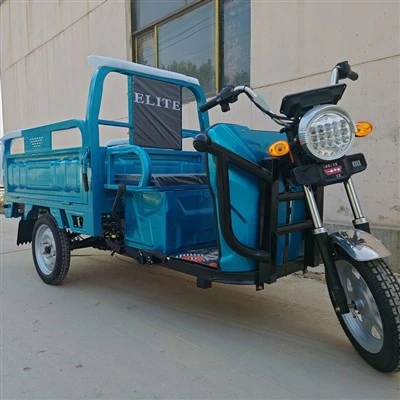
If you’re in the market for an electric city bike, whether you’re an individual rider or a business looking to add these to your fleet, I’d love to chat. I can walk you through our different models, explain the pricing breakdown, and help you find the perfect fit for your needs. No sales pitch, no hidden junk, just straight talk.
Electric Delivery Bike References:
- Light Electric Vehicle Association (LEVA). (2023). E-Bike Market Report: Global Trends and Pricing Analysis.
- European Cyclists’ Federation (ECF). (2024). Electric City Bike Cost Guide: Regional Variations and Value Metrics.
- NPD Group. (2023). US E-Bike Sales Data: Average Price Points by Category.
- Shimano. (2023). Mid-Drive Motor Performance and Pricing for Urban E-Bikes.
- Consumer Reports. (2024). E-Bike Buying Guide: Price vs. Value for City Riders.
Linyi Lanshan Merco Electric Bicycle Factory
Linyi Lanshan Merco Electric Bicycle Factory is one of the most professional electric city bike manufacturers and suppliers in China, also supports customized service. Please feel free to wholesale CE approved electric city bike made in China here and get pricelist from our factory. 1 years warranty is available.
Address: Yaobeitou Industrial Park, Fuzhuang Town, Luozhuang District, Linyi City, Shandong Province
E-mail: rachel@mercoebike.com
WebSite: https://www.mercoebike.com/
