If you’ve ever popped the hood of a diesel pickup or a gas-powered sedan, stared at the two different engine setups, and wondered why their injector nozzles look totally different—you’re not alone. As a guy who’s been selling injector nozzles for almost a decade, I get asked this all the time. People see the tiny metal tip on a fuel injector and think, “It’s just a hole, right?” Nah, man—there’s a huge gap between diesel and gasoline injector nozzles, and that gap isn’t just physical. It’s built into how each engine works, how they burn fuel, and what we as suppliers have to account for when making, testing, and shipping them. Injector Nozzles
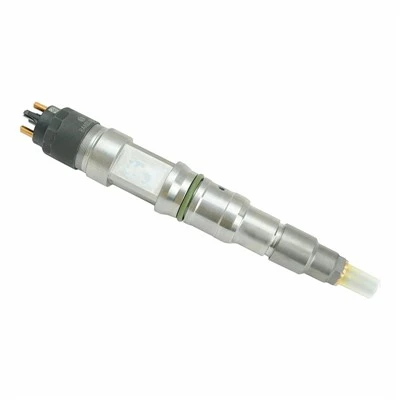
Let’s start with the basics, keep it simple. First off: what does an injector nozzle even do? It’s the final piece of the injector that delivers fuel into the combustion chamber. For gas engines, that’s usually the air-fuel mix we talk about—gas is volatile, burns fast. For diesel, it’s compression ignition—no spark plug, just air compressed so hot that squirting fuel in makes it burn. That core difference alone changes everything about the nozzle.
Let’s talk size and number of holes first, because that’s the first thing anyone notices. Gasoline injector nozzles—especially the ones for port fuel injection (PFI) or even direct injection (GDI) that’s super common now—usually have like 4 to 8 small, evenly spaced holes. Each hole is tiny, like 0.18 mm to 0.3 mm across. Why so many? Gas burns quick, so you need a really fine spray of fuel to mix with air evenly before the spark hits. If you just had two big holes, the gas would pool in one spot, burn unevenly, waste fuel, and make extra emissions. Diesel nozzles? They’ve got way fewer holes—usually 5 to 8, wait, no—wait, sometimes as few as 3, or up to 8, but the holes are way bigger. Like 0.2 mm to 0.5 mm, almost twice as wide as gas nozzle holes. And they’re not evenly spaced, sometimes. Why? Diesel is way less volatile than gas. It doesn’t burn as fast, so you don’t need a mist. You need a denser spray, like a little jet of fuel that can penetrate the hot, compressed air in the diesel chamber. If you had 8 tiny holes for diesel, the spray would just evaporate before it spread, and you’d get incomplete burns. That’s a big, obvious difference.
Next up: spray pattern. This is where the science gets a little deeper, but still relatable. Gas injector nozzles make a “fan” or a mist spray—like a water spray bottle that shoots tiny droplets all over. That’s because gas needs to mix with air really well to burn fast and clean, especially in GDI engines that cram more fuel into the chamber. If the spray is off—too much of the fuel on one side, not enough on the other—you get knock, which ruins engine parts, or bad gas mileage. Diesel injector nozzles make a “solid cone” spray, sometimes called a “plume” spray. It’s thicker, longer range, so the fuel can go deep into the combustion chamber. Also, diesel engines do multiple injection events sometimes—like a tiny “pilot” injection before the main one to reduce noise, then the main injection, then a late injection for emissions. Diesel nozzles have to handle those different sprays without leaking. Gas nozzles? They don’t do multiple injections nearly as much, mostly just single squirts, so their spray is simpler.
Wait, let’s not forget pressure. That’s a huge one I hear people mess up all the time. Gasoline engines, even direct injection ones, run fuel pressure up to like 2,500 PSI these days. That’s a lot, but diesel? We’re talking 30,000 PSI, sometimes higher for modern heavy-duty diesels. Why such a big jump? Diesel is thicker, less runny than gas. To get that solid cone spray, you need to push it way harder. If you had the same pressure as a gas injector, diesel would just dribble out the nozzle, not atomize right. So the nozzle has to be built to handle that crazy pressure. Gas nozzles don’t need to handle that much force, so their metal is thinner, the holes are cut different. I’ve seen gas nozzles get bent if you accidentally get them near a hot engine part, but diesel nozzles are basically made of hardened steel, like drill bits, because they have to stand up to 10x the pressure.
Then there’s wear and tear. Both nozzles get dirty, but for different reasons. Gas engines burn fuel that has way more detergent additives these days, right? So gas nozzle holes can get clogged with carbon, but it’s usually soft carbon. Diesel fuel, though, has way more impurities, even with low-sulfur fuel now, and diesel engines run way hotter. So diesel nozzle holes can get caked with hard, ash-like deposits that eat away at the nozzle. That means as suppliers, we have to test diesel nozzles for wear way more rigorously than gas ones. We run them through thousands of hours of cycle testing, simulating real driving—like towing a trailer, idling for long hours, highway driving. For gas nozzles, we test for carbon buildup too, but it’s a different test, uses different chemicals, because the deposits are softer.
Wait, another big one: location. Nozzle location is different because of how each engine is set up. Gas engines—port fuel injection nozzles are in the intake manifold, before the combustion chamber, so the fuel can mix with air before it goes in. Direct injection gas nozzles are in the side of the combustion chamber, near the spark plug. Diesel nozzles? They’re right in the center of the combustion chamber, sticking up through the top of the engine. That’s because diesel needs the fuel to spread evenly around the chamber, and the center is the hottest part, so the fuel ignites right. So the nozzle’s shape has to match where it sits. A gas nozzle that’s made for the intake manifold would never work in a diesel’s center, and vice versa. We see this a lot when people try to mix and match parts—they grab a cheap diesel nozzle for a gas engine, and it just doesn’t fit, or the spray is wrong, and the engine dies.
Let’s talk about common mistakes I see customers make, too. A lot of small repair shops or even do-it-yourself guys think “injector nozzle is injector nozzle, just buy the same size.” No way. Last year, a guy brought in a diesel nozzle he bought online for his 2018 Ford F-150 gas truck. It was the same thread size, but the hole pattern was wrong. He got 5 mpg less, and the engine was knocking so bad he thought he blew up the motor. I had to explain the difference, give him the right gas nozzle, and he’s been a repeat customer ever since. That’s why we always tell people: don’t guess. Know if your engine is gas or diesel, and make sure the nozzle is made for that.
Also, emissions. This is a big one for both, but different rules. Gas engines have to pass strict emissions for CO, NOx, hydrocarbons, because they burn fast. So gas nozzles have to spray just the right amount of fuel, at the right angle, to make sure almost all of it burns. Diesel engines have their own emissions rules, but since they burn lean, the problem is usually particulate matter (soot) and NOx. Diesel nozzles have to be designed to reduce soot—so the spray doesn’t leave unburned fuel behind—while also keeping NOx low. That means we adjust the hole size, the spray angle, even the finish on the nozzle tip. For gas nozzles, it’s more about mixing fuel and air evenly to reduce unburned hydrocarbons.
Wait, let’s get back to the material for a sec. I mentioned hardened steel for diesel, but gas nozzles are often made of a softer alloy, sometimes with a coating to prevent carbon buildup. Why? Because gas pressure is lower, so they don’t need super hard steel, and the coating helps with the soft carbon deposits. Diesel nozzles can’t have that, because the high pressure would wear through the coating fast. They use chrome steel or even titanium alloy for the tips, to stand up to the pressure and the heat.
Another thing: leak resistance. Nozzle leaks are bad for both, but for different reasons. A gas nozzle leak would just waste gas, make a mess in the engine bay, and cause emissions. A diesel nozzle leak is way worse. Diesel is flammable, but also, unburned diesel is a toxic pollutant, and a leak in a diesel engine can cause a fire if it hits a hot manifold. So diesel nozzles have to seal tighter, handle pressure better, so there’s no dribble when the injector is closed. That’s why we test our diesel nozzles for leak rates down to tiny fractions of a drop per hour—way stricter than gas nozzles.
Let’s wrap this up with a quick breakdown, so you can remember:
- Number of holes: Gas = 4-8 small, even; Diesel = 3-8 larger, sometimes uneven
- Spray: Gas = fine mist, fan shape; Diesel = dense solid cone, plume
- Pressure: Gas up to 2,500 PSI; Diesel up to 30,000 PSI or more
- Material: Gas = soft alloy with coating; Diesel = hardened steel/titanium
- Use case: Gas needs fast, clean air-fuel mix; Diesel needs deep spray for compression ignition
Now, if you’re a mechanic, a shop manager, or someone who’s had to replace an injector nozzle and ran into that “wait, why isn’t this working” problem, you know how confusing this can get. That’s why we don’t just sell injector nozzles—we help you pick the right one. Whether you’re working on a 2020 Honda Civic or a 2022 Ram 3500 diesel, we’ve got nozzles tested, made, and built for your specific engine. We don’t cut corners, because we know a bad nozzle doesn’t just mean bad mileage—it means engine damage, emissions problems, and headaches for you.
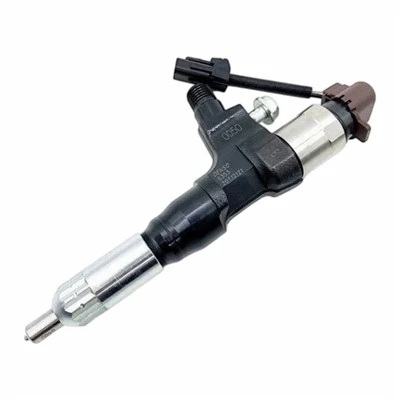
If you’ve got questions about which nozzle you need, or you’re looking to restock for your shop, hit us up. We can walk you through the differences, make sure you get the right part, and answer any other questions you have about injector nozzles. Don’t waste time guessing—let’s make sure your engine runs the way it’s supposed to.
Injector Repair Kits References
- Heywood, J.B. (1988). Internal Combustion Engine Fundamentals. McGraw-Hill Education.
- Zhao, H. (2013). Direct Injection Gasoline Engines. SAE International.
- United States Environmental Protection Agency. (2021). Heavy-Duty Diesel Engine Emissions Standards.
- Bosch Automotive Handbook (10th ed.). (2019). Robert Bosch GmbH.
- Ogilvie, R.T. (2000). Fuel Injection Systems for Gasoline and Diesel Engines. Society of Automotive Engineers.
Jiangsu Shunlong Electrionic Control Fuel Injection System Co., Ltd.
As one of the most professional injector nozzles manufacturers and suppliers in China, we have world-leading production equipment and strong manufacturing capabilities. Please rest assured to wholesale premium injector nozzles made in China here from our factory.
Address: No.666 Huifu Road , Jintan Development District, Changzhou City, Jiangsu Province
E-mail: kalen@EFINozzle.com
WebSite: https://www.efinozzle.com/
