Hey everyone, it’s [name] from the enamel cookware team, and I get it—choosing the right enamel cookware can feel totally overwhelming, right? Walk into any kitchen store or scroll online, and you’re hit with dozens of options: different weights, coatings, colors, price points, and all these random terms like “cast iron core” or “porcelain-enameled interior.” I’ve been in this game for 7 years, sourcing and supplying enamel cookware to home cooks and small culinary businesses, so let me break this down like I would for a friend walking through my warehouse. No fancy jargon, no fluff—just what actually matters when you’re picking something that’ll last (not just look pretty on your shelf). Enamel Cookware
First off, let’s clear up a myth: not all enamel cookware is created equal. A lot of people think “enamel is enamel,” but that’s like saying all cars are the same because they have four wheels. The core material is make-or-break here, and that’s where I see most people go wrong when they’re browsing. The two main cores are cast iron and carbon steel, and each has pros and cons. Let’s start with cast iron because it’s the stuff most folks know for Dutch ovens. A high-quality cast iron core is dense, retains heat way better than any other material, and distributes it evenly—no hot spots that burn your bread or scorch your sauce. But here’s the catch: not all cast iron is the same. Cheap cast iron cores are thin, so they warp if you crank the heat up too high, and the enamel coating chips super easy if you drop a wooden spoon or drag a metal spatula.
As a supplier, I won’t push the super pricey luxury brands that mark up their product 5x just for a logo. What I look for in a core is one that’s “pre-enameled” (wait, no—let me rephrase: it’s cast to be a uniform thickness, not poured thin to save money). Thicker cast iron means it holds its shape, so even after 5 years of use, your Dutch oven won’t get wonky on the stove. Carbon steel cores are a sleeper pick, too—they’re lighter than cast iron, so they’re easier to haul from the oven to the table, and they heat up faster. The only downside? Carbon steel can rust if you don’t dry it right away after washing, but a good enamel coating seals that core so you barely have to think about it. I’ve seen so many home cooks skip carbon steel because they think it’s the same as cheap wrought iron, but that’s a mistake.
Next up: the enamel coating itself. This is the actual “enamel” part, so it’s not just for looks, people. The best coatings are a high-f porcelain enamel, which is fired at really high temps—like 1400°F or more. That’s what makes it chip-resistant, stain-resistant, and safe for acidic foods (tomato sauce, citrus, that’s the big one). A lot of cheap products use a low-grade enamel fired at a lower temp, so it’ll stain after a few months of making spaghetti, or peel if you accidentally tap it with a heavy lid.
Wait, another thing: some brands advertise “lead-free” enamel, which is non-negotiable for me. As someone who’s tested hundreds of batches over the years, I can tell you that old, cheap enamel (or enamel made with bad raw materials) might have trace lead, but every reputable supplier now uses lead-free enamel—just make sure the product you pick says it’s tested for that. Also, the finish: a matte interior? Yeah, matte enamel can be better for searing, right? Because it has a little texture, so food doesn’t stick as much. But a glossy interior is easier to clean, and it’s non-porous, so it doesn’t hold onto flavors from your last dish. I say pick based on what you cook most—if you make lots of stir-fries or seared meat, go matte; if you’re all about one-pot pasta or soups, glossy is totally fine.
Now, let’s talk about size and design, because that’s not just aesthetics. How many people are you cooking for? A 3-quart Dutch oven is perfect for a small family (2-4 people), but a 7-quart is overkill if you’re just cooking for yourself. Don’t fall for the “bigger is better” trap—too big, and you’ll waste energy heating it, and it’ll be heavy as hell to lift. For pans, a 10-inch skillet is the most versatile, works for breakfast, lunch, dinner, and fits on most stove burners.
Also, check the handles! This is a tiny detail that’ll drive you crazy if you ignore it. Cast iron handles on cheap cookware are thin and get super hot—you’ll need an oven mitt every single time you move it. Look for cookware with “helper handles” on the side for big Dutch ovens, so you can balance it without burning your hands, and handles that are riveted securely (not glued, not welded flimsy). Some brands use silicone grips, which are great for holding, but make sure the silicone is oven-safe up to at least 400°F—otherwise it’ll melt if you stick the whole thing in the oven. I’ve had customers send back cookware because their silicone grip melted, and it’s always because they bought a cheap one that didn’t list the temp limit.
Price is another big one, and I get it—no one wants to drop $300 on a Dutch oven, but I’m here to tell you that the $20 one at the grocery store? It’s gonna break in 6 months. The sweet spot is between $80-$150 for a medium-sized Dutch oven. That’s where you get a solid cast iron core, high-f enamel, and durable handles—no random markup for a fancy brand name. As a supplier, I’ve seen people go for the cheapest option, and they end up buying a new one every year, which is way more expensive long-term. I’d rather you spend a little more upfront and have something that lasts 10+ years, even 20 if you take care of it.
Wait, let’s move into care, because a lot of people think enamel is high-maintenance, but it’s actually pretty easy. Rule #1: don’t use metal utensils on the enamel interior. I know, I know—wood spoons are so slow, but metal will scratch the coating over time. If you forget, and tap it with a metal spatula, it’s no big deal for a minor scratch, but avoid doing it every time. Rule #2: hand wash if you can, but if you put it in the dishwasher, make sure to use a mild detergent—harsh chemicals can dull the enamel finish. And dry it immediately after washing, especially if it’s a carbon steel core, to prevent rust.
Now, what about when you should pick enamel over other cookware? Let’s be real, enamel isn’t for everyone. It’s not the best for high-heat searing (wait, no—wait, good cast iron enamel can handle high heat, but it’s heavier than stainless steel, so if you’re a professional chef who moves pans fast on a line, stainless is better. But for home cooks who do low-and-slow roasts, braises, soups, even baking bread in the oven? Enamel is unbeatable. It goes from stovetop to oven to table, so you don’t have to transfer dishes, which saves cleanup. I cook 5 nights a week, and my enamel Dutch oven is the only pan I use for Sunday roasts and chili—it’s worth the space on my stove.
Wait, I should also mention some red flags to watch out for when you’re shopping. If a listing doesn’t say the core material or the enamel temperature, skip it. If it’s way cheaper than all the other options, it’s probably thin core, low-f enamel, and will chip or warp fast. If the reviews say the lid doesn’t fit right (that’s a huge one— a loose lid lets all the steam escape, so your braises won’t be tender), go for a different brand. A tight-fitting lid is non-negotiable for enamel cookware, because that’s what makes the heat and moisture circulate evenly.
As someone who works with this stuff every day, I get that buying cookware is personal—you want something that feels good in your hands, matches your kitchen, and doesn’t make you stressed when you cook. I’ve had customers come to me saying they regret buying that super expensive luxury brand because it’s too heavy, or the lid sticks, and they wish they’d gone for a mid-range option that’s actually functional. So my advice? Test the weight if you can (if you’re buying in person, lift the pan), read recent reviews that mention durability and lid fit, and don’t fall for the brand hype.
At the end of the day, the right enamel cookware is the one that fits your cooking style. If you make big batches for family, get a 7-quart Dutch oven with a thick cast core. If you’re a small kitchen apartment dweller, go for a 3-quart carbon steel skillet that’s easy to store. If you’re just starting out, a 10-inch skillet is the best investment—you’ll use it more than any other pan.

Hey, that’s all I’ve got, but if you want to check out our current line of mid-range enamel cookware (we’ve got Dutch ovens, skillets, and bakeware, all tested for lead-free enamel and thick cores), hit us up to chat about what works for your kitchen. No pushy sales stuff, just someone who knows their stuff and wants you to love the cookware you use every day. Let’s talk about what you need, so you don’t waste money on something that doesn’t cut it.
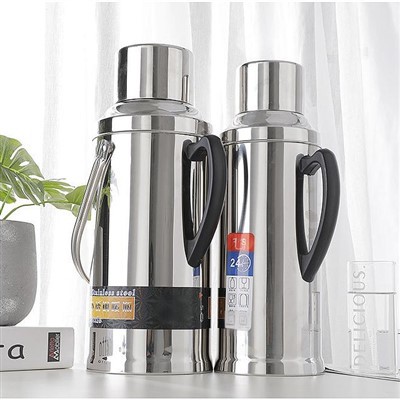
Glass Lined Coffee Carafe References:
- International Enamel Association. (2022). Guide to Porcelain Enameled Cookware Durability.
- Consumer Reports. (2023). Kitchen Cookware Buying Guide: Enameled Cast Iron vs. Carbon Steel.
- Food and Agriculture Organization of the United Nations. (2021). Food-Safe Enamel Coatings for Kitchen Utensils.
- U.S. Consumer Product Safety Commission. (2022). Lead Testing for Enameled Cookware.
- Cook’s Illustrated. (2023). Best Enamel Cookware for Home Cooks: Testing Results & Recommendations.
Kairun International Co., Ltd.
With abundant experience, we are one of the most professional enamel cookware suppliers in China. Please feel free to wholesale customized enamel cookware made in China here from our factory. For more cheap products, contact us now.
Address: NO. 60 JIAZHAI,NANSHI DISTRICT,DONGYANG CITY,ZHEJIANG PROVINCE, CHINA
E-mail: lanzhou301@126.com
WebSite: https://www.kairun-houseware.com/
