Hey there! If you’re in the market for new windows (or just curious about what’s hot in the game right now), let’s talk UPVC. I’m with a UPVC window supplier that’s been hooking up homes and small businesses with solid, affordable window solutions for years—and trust me, the styles folks are asking for these days aren’t your grandma’s clunky, drafty old vinyl windows. Let’s break down the popular ones, why they work, and who they’re perfect for. UPVC Windows
First off, let’s get one thing straight: UPVC (that’s unplasticized polyvinyl chloride, for anyone who’s been wondering) gets a bad rap sometimes for feeling generic, but modern manufacturing has changed everything. We make sure each style we carry has tight seals, low upkeep, and that energy-efficiency that cuts down on heating and cooling bills—no weird plastic smell, no yellowing after a few years, promise. Now onto the good stuff: the styles people are actually buying right now.
Let’s start with one that’s been blowing up in suburban neighborhoods lately: Casement Windows. If you haven’t seen these, they’re hinged on one side (usually left or right) and swing open like a door, usually with a handle in the middle. Here’s why they’re a fan favorite: the seal when closed is super tight—like, airtight, which is huge for keeping drafts out in winter and cool air in summer. Plus, the opening is wide, so you get great cross-ventilation when you crank ’em open. A lot of homeowners love them for bedrooms too—no weird gaps that let bugs or rain in if you leave ’em cracked a little. We’ve noticed a lot of new builds going with casements because they’re easy to customize too; you can get them in different frame colors (not just white anymore—we do gray, black, even wood-grain finishes that look like real timber), and they fit just about any window size, from small bathroom sliders to big living room setups. Pro tip for renters or folks on a budget: casements are usually cheaper than some of the fancier styles we’ll talk about later, and installation is a breeze if you’ve got a handy handyman (but obviously, we can install ’em for you too, no stress).
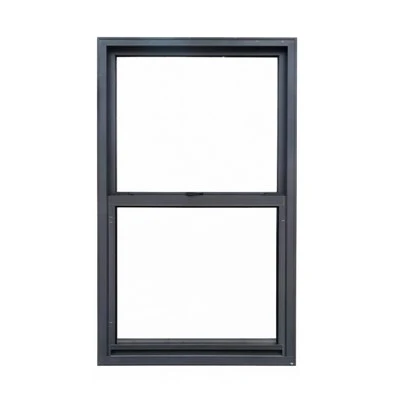
Next up, Sliding Sash Windows. Wait, hold on—don’t mix these up with the old double-hung sashes of the 90s (you know, the ones that stuck and had terrible seals). Modern UPVC sliding sashes are sleek, minimalist, and perfect for anyone who wants that classic window look without the high maintenance of wood. They work by having two sashes that glide horizontally past each other—so you can open the top one or the bottom one, depending on how much air you want. A lot of our customers who live in older homes (like Victorian or Edwardian conversions) love these because they match the original architectural style, but without the constant scraping and repainting that wood sashes need. We’ve had people tell us they kept their home’s curb appeal exactly the same, but cut their heating bill by almost 20% once we swapped out the old wooden ones. Another plus: they’re super easy to clean—just tilt the sash a little, and you can wipe both the inside and outside without climbing on a ladder (genius for upper floors). The only catch? They’re not as airtight as casement windows, so if you’re in a super cold climate, you might want to pair them with good insulating curtains. But for milder areas, they’re unbeatable for that timeless look.
Now, let’s talk about the one that’s everywhere in urban apartments and small condos right now: Awning Windows. These are similar to casement windows, but they’re hinged at the top and swing outward from the bottom, like a little awning over the window. Why are these so popular? First, they let in air even when it’s raining—perfect for bathroom or kitchen windows where you need ventilation but don’t want water dripping on the counter or mirror. Second, they take up almost no interior space when you open them, which is a big deal in small city apartments where every inch counts. A lot of our customers who live in ground-floor units love them too—they can leave them open for fresh air without worrying about someone being able to reach in from outside. We also make awning windows with frosted glass options, so if you want privacy in a bathroom or kitchen on a busy street, you don’t have to cover them with curtains. They’re also lightweight, so they’re easy for anyone to operate, even if you have mobility issues. That’s a win in our book—windows should be functional for everyone, not just able-bodied folks.
Wait, let’s not forget Bay and Bow Windows. These are the statement pieces, the ones that make a living room feel like a cozy nook or a dining room feel like it’s glowing with natural light. Bay windows protrude outward from the house, usually with three panes: a large central one and two smaller ones angled out. Bow windows are similar but have four or five curved panes, giving them a smoother, more elegant look. UPVC is perfect for these because wood bay windows can warp or rot where they join the house, but UPVC stays sturdy, no matter the weather. A lot of our customers add seats to their bay windows, turning them into little reading corners, and we make sure the frames are strong enough to support that extra weight. The downside? They’re a bit more expensive than standard windows, but the energy savings and the curb appeal boost are totally worth it if you’re planning to stay in your home for a while. We also do custom sizes for bay and bow windows, so even if your house has a weird, non-standard opening, we can make it fit—no cutting corners here.
Oh, and one more style that’s been gaining traction lately: Tilt and Turn Windows. If you haven’t heard of these, they’re a bit of a European import that’s taken off in places with strict energy efficiency rules (and honestly, they’re a game-changer). They have two modes: you can tilt them inward at the top for a small amount of ventilation (great for night-time, no security risk), or you can swing them fully inward like a casement window for cleaning or maximum airflow. The seal when closed is practically airtight, so they’re perfect for cold or hot climates where you need to keep the temperature consistent. A lot of our customers with kids or pets love these because they open inward, so you don’t have to worry about them swinging out and getting knocked in the wind. The only thing to note? They’re a bit more technical to install, so we always make sure our team has extra time to get it right, but the payoff is huge—we’ve had customers say their energy bills dropped by almost 25% with tilt and turn windows.
Now, let’s be real—when you’re picking a window style, it’s not just about looks. You have to think about where it’s going, your climate, your budget, and what you actually need the window to do. For example, if you’re putting a window in a bathroom that’s on the first floor, awning windows make total sense. If you want that classic look for an older home, sliding sashes are the way to go. If you want something that’s low-effort and energy-efficient, casements or tilt and turn are solid picks.
As your UPVC window supplier, we don’t just sell you a window and dip. We offer free consultations to figure out what works for your space—no pushy salespeople, just honest advice. We also do all the installation, so you don’t have to deal with hiring three different companies to measure, deliver, and put them in. And all our windows come with a 10-year guarantee, so if anything goes wrong (like a seal failing or a handle breaking), we’ll fix it for free.
I know a lot of people are wary of UPVC because of past stereotypes, but we’ve come a long way. The UPVC we use is UV-stabilized, so it won’t fade or crack even if your house is on a south-facing street with lots of direct sun. We also use lead-free materials, so there’s no toxic stuff off-gassing into your home, which is a big deal for families with kids or pets.

At the end of the day, the best UPVC window style for you is the one that fits your needs, your home, and your budget. Whether you’re renovating a single room or doing a full house build, we’ve got a style that’ll work. If you’re curious about any of these, or want to talk through your options, just reach out for a purchasing chat. We can send over free samples (you don’t even have to leave your house—we’ll drop them off) and give you a no-obligation quote. No fine print, no hidden fees, just straightforward service.
Aluminum Windows References:
- National Fenestration Rating Council (NFRC). (2023). UPVC Window Performance Standards. NFRC Publications.
- British Plastics Federation (BPF). (2022). Modern UPVC Window Design and Applications. BPF Technical Report.
- U.S. Department of Energy (DOE). (2021). Energy-Efficient Window Styles for Residential Buildings. DOE Office of Energy Efficiency & Renewable Energy.
- Window & Door Manufacturers Association (WDMA). (2023). UPVC Window Style Trends 2023. WDMA Industry Report.
Wuhu Xupin Architectural Decoration Engineering Co., Ltd.
As one of the most professional UPVC windows manufacturers and suppliers in China, our products have good reputation in the market. Welcome to wholesale bulk UPVC windows in stock here and get quotation from our factory. Customized orders are welcome.
Address: No. 11 Weiba Road, Fangcun Industrial Concentration Zone, Jinghu District, Wuhu City, Anhui Province
E-mail: 13470752088@163.com
WebSite: https://www.xupinwindows.com/
