Hey everyone, it’s Jake here, and today I wanna talk about something that’s not super flashy but low-key runs a lot of what we do in agriculture—synthetic alkali powder. For those who don’t know, I’m part of a synthetic alkali powder supply team, and I get asked all the time: “Why does a farmer need your stuff, anyway?” Like, I get it—when you’re out there checking crops at 5 a.m. or hauling harvest in the rain, you’re thinking about seeds, fertilizer, pesticides, not some “alkali powder.” But trust me, this stuff is a workhorse that keeps so many ag operations running smooth. Let’s break down the real, day-to-day uses, not just the textbook jargon. Synthetic Alkali Powder
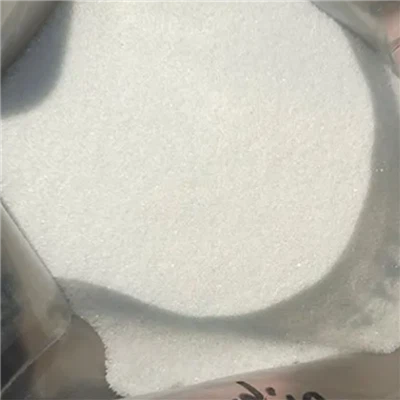
First off, let’s get one thing straight: synthetic alkali powder isn’t the same as the natural alkali some old-timers used to dig up from lake beds back in the day. We make it in controlled batches, so it’s consistent—no random lumps or weird pH swings that mess up a farmer’s whole season. That consistency is huge, actually, because ag is all about predictability. Let’s start with soil pH adjustment, because that’s the most obvious, and honestly, the make-or-break for so many fields. You know how every spring you do a soil test? If it comes back too acidic (most crops hate super acidic soil—think corn, tomatoes, wheat), synthetic alkali powder is one of the go-to fixes. Wait, why not just use lime? Lime works, but it’s slow. Synthetic alkali powder reacts way faster, which is perfect if you messed up last fall and need to get a field ready for planting next month, not next year. But here’s the thing—we don’t just dump it on random fields like some people do. We work with farmers to calculate exactly how much they need, based on their soil’s current pH, crop type, and even their drainage. If a field is super sandy, for example, the alkali moves through faster, so you need a little less than if it’s heavy clay. That’s where our team comes in—we don’t just drop off a pallet and dip. We help them figure out the right ratio, because too much alkali is just as bad as too little. It raises the pH too high, locks out nutrients like iron and manganese, and suddenly your crops are yellow even if you added fertilizer. Balance is everything.
Next up—crop protection, which is probably the most underrated use of synthetic alkali powder. A lot of farmers use it to mix with pesticides and herbicides, right? Wait, why? Because most active ingredients in those chemicals work best in a specific pH range. If the mix is too acidic or too alkaline, the chemical breaks down too fast or doesn’t work at all, so you waste money spraying stuff that does nothing. Synthetic alkali powder acts as a pH buffer here. Let me give you a real example I heard from a farmer I work with out in Iowa last year—he was using a herbicide to kill pigweed, which is that super tough weed that’s resistant to almost everything. His first round of spray didn’t do jack, and he lost half a section of corn because of it. Then our ag tech (yeah, we have those—no one’s just selling powder here) told him to add a small amount of our synthetic alkali powder to his spray mix. He adjusted the pH, sprayed again, and that pigweed was toast in three days. No more wasting chemicals, no more losing crops. That’s not a one-off either—we get calls weekly from farmers fixing failed sprays with this trick. It also works for fungicides, too—powdery mildew on grapes, for example, hates a certain pH, so mixing a tiny bit of our alkali in with your fungicide makes it stick better to the leaves and work longer. Win-win.
Wait, also, what about irrigation water? So many farms rely on well water, right? And a lot of well water is acidic or has weird mineral buildup, like calcium carbonate, that clogs drip lines. Drip lines are a big deal—they save water, cut down on weeds, but if they get clogged, you’re looking at dead spots in your field and expensive replacements. Synthetic alkali powder can help here too. If your irrigation water is too acidic, it eats away at the inside of drip lines over time, and also mixes with fertilizer to form those crusty deposits. Adding a controlled amount of our alkali brings the water’s pH into the neutral to slightly alkaline range (7 to 7.5, roughly) that’s perfect for both lines and fertilizer absorption. I had another farmer in Georgia who was fighting clogged drip lines in his peach orchard. He was flushing lines every two weeks, which was a huge waste of time and water. We suggested adding a small amount of alkali to his irrigation reservoir monthly, and he hasn’t had a clog in six months. That’s a game-changer for him—he can spend that time pruning peaches instead of unclogging hoses at 6 a.m. on a Saturday.
Oh, and let’s not forget about livestock farming—another huge part of agriculture that people sometimes overlook. Synthetic alkali powder isn’t just for crops. It’s used in livestock feed processing, right? Wait, why? For one, it helps break down certain grains to make the nutrients more accessible to cows, pigs, even chickens. If feed has stuff that’s hard to digest, adding a tiny amount of our alkali helps the animals get more protein and energy out of each bucket of feed, so they grow faster and healthier. Also, it’s used for cleaning and sanitizing barns, which is non-negotiable for biosecurity. You need something that kills bacteria without leaving toxic residue that can harm animals, and synthetic alkali powder works perfectly for that. It’s strong enough to get rid of manure buildup and pathogens like E. coli, but if you rinse it properly, it’s safe. A hog farmer I work with in Illinois told me he used to use harsh chemical cleaners that made his pigs’ skin irritated, and now he uses our alkali solution to wash pens. No more skin issues, and his vet bills went down by 15% last year. That’s a real, tangible impact.
Now, I wanna be honest here—this stuff isn’t a magic fix. A lot of people see synthetic alkali powder as a quick solution, and if you use too much, or use it on the wrong crop, you’ll mess things up. For example, blueberries and potatoes love super acidic soil—adding alkali to their fields will kill them. That’s why we’re not just a supplier—we work with farmers to make sure they’re using it right. We send out free soil pH test strips for small fields, we have a quick chat line if they need help calculating how much to add, and we even have local reps who’ll stop by their operation to take a look if they’re unsure. The last thing we want is a farmer wasting money on something that’s not gonna help.
Wait, another thing a lot of people don’t know: synthetic alkali powder is way more eco-friendly than some alternatives. Let’s compare it to, say, some of the industrial chemicals used for pH adjustment or cleaning. Our product is made from high-purity raw materials, so there’s no weird contaminants leaching into soil or water. And since it’s so consistent, farmers don’t overuse it as much as they would with natural alternatives, which cuts down on waste. Plus, that faster pH adjustment means they don’t have to wait as long to plant, which is huge for farmers who are dealing with shorter growing seasons because of climate change—like up in Minnesota, where the frost is coming earlier these days. They can adjust soil in a week instead of a month, so they don’t lose planting time.
Let me wrap this up, because I know you’re probably thinking, “Okay, cool, but how do I actually use this for my farm?” If you’re a small-scale farmer with a backyard garden, for example, you can use small amounts for pH adjustment—just test your soil first, don’t go dumping a cup full. If you’re a mid-sized or commercial operation, the best move is to hit us up. We can tailor a solution for your specific crops, soil type, and irrigation setup. We don’t do one-size-fits-all, because every farm is different. At the end of the day, agriculture is about feeding people, right? And if we can make that process a little easier, a little more efficient, and a little less stressful for farmers, that’s what we’re here for.
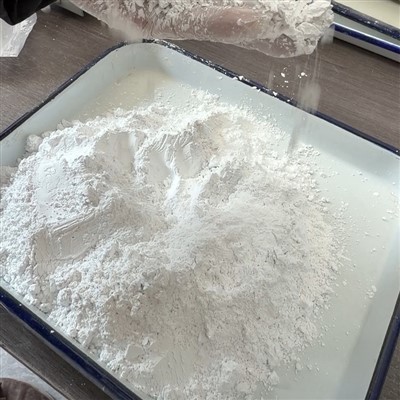
If you’re a farmer or ag professional who’s dealing with soil pH issues, failed sprays, clogged irrigation lines, or feed processing headaches, we’re here to help. Shoot us a message, ask about our free soil test strips, or just get all your questions answered before you order. No hard sells, no confusing jargon—just real advice for real farms.
Hydrated Lime Powder References:
- Agricultural Lime and Soil pH Adjustment, USDA Natural Resources Conservation Service
- Pesticide Adjuvants: pH Buffering and Spray Efficacy, University of Extension Agricultural Publications
- Water Quality for Drip Irrigation, Irrigation Association
- Livestock Feed Additives: Functional Roles and Safety, National Research Council
- Eco-Friendly Soil Amendments for Sustainable Agriculture, Journal of Sustainable Agriculture and Environment
Chaohu Jirun Energy Conservation and Environmental Protection Technology Co., Ltd.
We’re well-known as one of the leading synthetic alkali powder manufacturers and suppliers in China, also support customized service. Welcome to wholesale high quality synthetic alkali powder in stock here from our factory. If you have any enquiry about pricelist, please feel free to email us.
Address: No. 9, north of the intersection of Weihai Road and Weili Avenue, within the industrial park of Yinping Town, Chaohu City, Hefei City, Anhui Province.
E-mail: 13305654485@163.com
WebSite: https://www.chaohujirun.com/
