If you’ve ever steeped a bag of black tea, green tea, or herbal blend in a mug, you’ve probably never given a second thought to the thin, crinkly paper holding those tea leaves. But as a tea bag paper rolls supplier who’s worked with roasters, packagers, and custom tea brands for over a decade, I can tell you acid resistance isn’t just a random quality we brag about—it’s the line between a smooth, bright cup and one that’s murky, bitter, or leaves a weird paper aftertaste. Today, I’m breaking down what acid resistance means for tea bag paper rolls, how we test it here, and why it matters more than you might think for your product. Tea Bag Paper Rolls
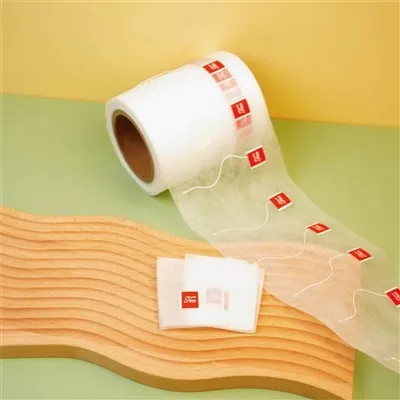
First, let’s start with the basics anyone in our industry will understand: tea is acidic. Depending on the type, a steeped cup of tea usually clocks in at a pH of 4.5 to 5.5—think along the lines of black tea’s malty acidity, bright green tea’s zing, or even herbal tisanes that often have natural fruit acids from hibiscus or rosehip. Water, especially when it’s heated to 175–212°F for steeping, amplifies that acidity. That acid doesn’t just sit in the leaves; it leaches out into the water during steep time. If your tea bag paper can’t hold up to that acidic environment, two bad things happen: the paper breaks down mid-steep (turning your tea into a leafy mess) and those acidic compounds react with the paper’s fibers or any residual chemicals left over from manufacturing.
Let’s get specific about tea bag paper rolls, not just loose tea bags you buy at the grocery store. Rolls are the raw material that packagers print, cut, and form into hundreds or thousands of individual bags per minute. When a roll goes through a high-speed tea bag machine, it’s exposed to heat for sealing, friction for cutting, and then full immersion in hot, acidic water later on. If the base paper for that roll isn’t formulated to resist acid, it can stretch unevenly on the machine, develop tiny pinholes that leak tea, or degrade just enough to leave a faint papery aftertaste that kills the flavor of your tea.
Over the years, I’ve seen way too many small tea brands skip testing acid resistance because they don’t think it’s a big deal—until a batch of their tea gets returned because every third bag breaks open during a steep, or a large retail client rejects a shipment because their taste panels note a “strange acidic paper taste.” That’s when they call me, scrambling to switch suppliers because they didn’t prioritize this simple test upfront.
Now, how do we actually measure acid resistance in tea bag paper rolls, so you know it’s not just a marketing buzzword? We use a standard test protocol developed by the Tea Association of the USA, with tweaks we’ve refined after 12 years of making paper rolls for specialty and commercial brands. Here’s the process we follow every time we run a batch:
First, we take a sample of the roll, cut it into small, uniform squares, and submerge them in a solution that mimics real steeped tea—pH 5.0, heated to 200°F, with a small amount of tannic acid added to replicate the astringency of brewed tea (tannins are a big part of why tea is acidic, after all). That’s important because pure acidic water doesn’t capture the full challenge—tea has those tannins that add extra stress to paper fibers, too.
We leave the samples submerged for the exact amount of time it takes to steep a typical tea bag: 3, 5, and 8 minutes, since some teas (like herbal blends) take longer to steep than black tea. After that, we pull the squares out, pat them dry, and run three key checks: tensile strength (how much force it takes to pull the paper apart), tear resistance (how easily it rips), and a taste panel test (we brew tea with the paper sample and blind-taste it against a control paper that we know is acid-resistant).
What’s the pass threshold? For our standard commercial grade, we require tensile strength to drop by less than 10% after 8 minutes of immersion. For our specialty grade (for high-end organic tea brands), we hold it to under 5% strength loss, because those brands demand a paper that’s almost invisible in the cup. We also test for residual leachables—any chemicals or dyes from the paper that move into the water. No brand wants their customers wondering why their tea has a weird chemical aftertaste, so we screen for 12 common paper additives that could migrate, including formaldehyde and certain bleaching agents, both before and after acid exposure.
Wait, let’s talk about how acid resistance is built into the paper roll itself, because not all tea bag paper is made the same. Most tea bag paper is made from wood pulp—either virgin softwood or a blend of softwood and hardwood, plus a small amount of abaca (manila hemp, which is super strong and durable). But the key to acid resistance is in the paper’s sizing—the chemicals that seal the fibers to keep water from breaking them down.
Years ago, we used acidic sizing, which was cheaper and common in the 90s. But if you put that paper in acidic tea, it breaks down almost immediately. Now, we use alkaline sizing for all our rolls. Alkaline sizing makes the paper more resistant to low-pH (acidic) environments, because it’s formulated to balance out the acid exposure. We also add a small amount of calcium carbonate, a natural mineral, to the paper—this acts as a buffer, neutralizing the acid a tiny bit when the paper is submerged, so the fibers don’t break down. That’s a small tweak, but it changed the game for acid resistance in our rolls.
I’ve seen other suppliers cut corners on this to offer lower prices. They might use cheap acidic sizing, skip the calcium carbonate, or even use recycled paper that has residual chemicals from cleaning, which reacts with tea acid. That’s why I always tell new clients: if a quote for tea bag paper rolls seems too good to be true, it probably is. You’re paying for inferior acid resistance that will cost you way more in returns and bad reviews later.
Let’s get real about real-world examples. Last year, a small craft tea brand out of Portland called me after a bad batch: their new hibiscus tea line, which is super high in natural citric acid, had 15% of their bags breaking open during steep, and their customers left comments like “my tea has a weird paper taste” on Amazon. They’d been using rolls from another supplier that didn’t test for acid resistance for high-acid teas. We ran their old paper through our acid test: after 5 minutes in pH 3.8 hibiscus solution (way more acidic than regular tea), its tensile strength dropped 40%—no wonder it was falling apart. We switched them to our high-acid resistance specialty grade, and they haven’t had a single return on that line since. They ended up ordering 10 rolls for their next seasonal line, which is another high-acid blend: blackberry and acai.
Another example: a large national grocery chain that sells their own private label tea. They had a problem where their green tea, which is known for its bright acidity, had faint paper aftertaste in blind taste tests. They’d been using standard grade paper rolls. We tested their existing rolls, and their acid resistance was right at the minimum pass threshold—so just enough to not break, but enough acid seepage to add a weird taste. We adjusted their order to our specialty grade, and their taste panels noted a “cleaner, brighter tea flavor” after the switch. That was 3 years ago, and they still work with us exclusively for their private label tea rolls.
But acid resistance isn’t one-size-fits-all. That’s something I wish more brands understood. If you make a mild, low-acid tea like chamomile or peppermint, standard grade paper rolls (which are formulated for pH 5.0 tea) might work just fine. But if you’re making high-acid teas: hibiscus, blackberry, green tea, oolong with high mineral content, or fruit blends, you need rolls with higher acid resistance, because that extra acid will eat through standard paper. We even make a custom line for super high-acid drinks, like iced tea concentrates that are pH 3.0—those rolls have extra calcium carbonate buffer and a denser fiber blend to hold up.
What about biodegradability? A lot of brands care about sustainability now, and I get that. We make 100% biodegradable rolls, made from unbleached or FSC-certified bleached pulp, that still have the acid resistance standards I mentioned earlier. A common myth is that biodegradable paper can’t be acid-resistant, but that’s not true—you can adjust the sizing and fiber blend to do both. We’ve tested our biodegradable rolls, and they pass the same acid tests as our conventional rolls, plus they break down in home compost in 90 days. That’s a big selling point for brands targeting eco-conscious consumers.
Now, let’s address some common questions I get from clients about tea bag paper rolls and acid resistance. First: “Does higher temperature water affect acid resistance?” Absolutely. The 200–212°F water you use for steeping extracts acid faster, so paper that’s fine in cold water will break down much quicker in hot water. That’s why our acid test uses hot water, not cold—we test for the exact condition your product will face.
Another question: “How long does acid resistance last on a roll?” If stored correctly (in a cool, dry place, away from high humidity or sunlight), our rolls can maintain their acid resistance for up to 2 years from the manufacturing date. We print the manufacturing date on every roll, so clients know exactly how fresh the paper is when they get it. Humidity is the biggest enemy here—if a roll gets wet before use, the paper’s sizing breaks down, so acid resistance drops, even if the roll is only a few months old.
And “can I test the acid resistance of a sample roll myself?” You can do a simple at-home test if you want, though it won’t be as precise as our lab test. Take a small piece of the paper, submerge it in a cup of warm (not boiling) white vinegar, which has a pH around 2.4—more acidic than most teas, so it’s a stress test. Leave it for 5 minutes, then take it out and try to tear it. If it rips way easier than a piece of standard copy paper, it’s probably low acid resistance. If it holds up pretty well, it’s decent. For a real certification, though, our lab test is the only way to get accurate data, especially if you’re using high-acid blends.
As a tea bag paper rolls supplier, my job isn’t just to sell you a roll of paper. It’s to make sure that when your customer opens their bag of tea, they get the flavor they paid for, no weird surprises, no broken bags. Acid resistance is one of the most foundational parts of that. It’s not a fancy feature—it’s the difference between a customer coming back for your tea, and them leaving a one-star review saying “the paper tasted like cardboard.”

If you’re a tea brand, packager, or roaster looking for tea bag paper rolls that are tested, consistent, and tailored to your tea type, whether it’s high-acid hibiscus or mild chamomile, I’m here to help. I’ve spent years refining our paper blends and testing protocols to make sure every roll leaves our facility meeting the highest standards for acid resistance. There’s no one-size-fits-all solution, so if you tell me about your specific tea, your production needs, and your budget, I can recommend the right roll for you.
Coffee Drip Filter Bag Don’t waste time and money on rolls that will cause headaches down the line. Reach out to connect about your tea bag paper roll needs today. We can send you sample rolls, share our full test data, and walk you through exactly how our acid resistance standards work for your product.
Hangzhou Wish Import & Export Trading Co., Ltd.
As one of the most professional tea bag paper rolls manufacturers and suppliers in China, we also support customized service. Please feel free to buy cheap tea bag paper rolls made in China here from our factory. For price consultation, contact us.
Address: Room 418, Yilong Business Building, Shangcheng District, Hangzhou City, Zhejiang Province
E-mail: chris@hzwishpack.com
WebSite: https://www.wish-ecopacky.com/
