As a knitted fabric supplier who’s been in this game for over a decade, I get asked one question at least a dozen times a week: “Can knitted fabric be used for making gloves?” Let me start with a real, no-BS answer: Hell yes it can. But not just any knitted fabric—this isn’t the grandma’s acrylic scarf you stashed in the back of your closet. Knitted fabrics’ unique construction makes them better for gloves than woven materials for most use cases, and over the years, I’ve seen every trick in the book when it comes to repurposing our rolls for hand coverings. Knitted Fabric
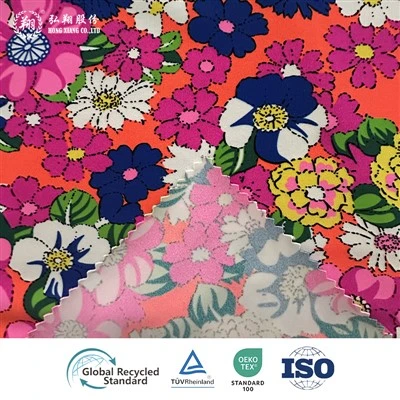
First, let’s break down what makes knitted fabric different from woven stuff, because that’s the core of why it works for gloves. When you weave fabric, you’re crisscrossing two sets of yarns at 90-degree angles—lengthwise warp and crosswise weft—locked together tight. That makes woven fabric sturdy, but it’s inflexible; pull it, and it barely stretches before it starts to split or distort. Knitted fabric? It’s made with one continuous yarn looped through itself, stitch by stitch. That gives it elasticity, give, and that soft, drapable feel that woven can’t touch. For gloves, you need two things above all: the ability to stretch to fit around a hand (and all its weird, varying sizes—big knuckles, slender fingers, different palm widths) and the comfort of something that moves with you, not against you. Woven gloves are stiff; knitted gloves move when you move your hand. That’s a game-changer for work gloves, winter gloves, even the fancy fashion gloves you see at boutique stores.
But not all knitted stitches are created equal, right? I’ve watched customers come to me with a sample glove made from a cheap, single-jersey knit, thinking it’d work for construction work, and come back a week later complaining the fingers ripped. Let’s talk about the stitches that actually work for gloves, because that’s where most people get tripped up. Single jersey is the basic tee-shirt knit—flat, one-sided, stretches a bit widthwise, not much lengthwise. It’s great for cheap costume gloves or liners, but that’s about it. Double jersey, though? Two layers of interlocked stitches, so it’s thicker, more durable, stretches both ways, and has that soft brushed side if you use a fleeceback double jersey. That’s a workhorse for utility gloves.
Then there’s rib knit—oh, rib knit is the MVP of glove materials. Rib knit has alternating vertical columns of tight and loose stitches, which gives it insane stretch and recovery. Pull it, and it goes, then bounces right back to shape. That’s why you see rib knit cuffs on every winter glove ever made, but I’ve had customers use full rib knit for custom performance gloves too. It conforms to every contour of the hand, so it doesn’t bunch up at the wrist or slide down when you’re working. For medical gloves? Wait, yeah—thin ribbed knits made from medical-grade cotton or spandex-blend yarn are used for exam gloves too, because they’re breathable and don’t leave that sweaty barrier latex does.
Don’t get me started on technical knits, either. We do a lot of technical knitted fabrics for outdoor and sportswear, and that translates directly to high-end gloves. For example, we have a polyester-spandex blend warp-knit fabric that’s water-resistant but still breathable—way stretchier than any woven water-resistant material. I’ve seen it used for mountain biking gloves, where riders need grip, flexibility, and protection from light rain. The loop structure of the knit creates tiny air pockets, so it breathes better than a woven synthetic, and it’s tough enough to not tear if you slip while riding. Another technical knit we offer is a brushed acrylic-wool blend, designed for winter sports gloves. The brushed inner layer is super soft against skin, and the tight stitch on the outer layer blocks wind while still letting sweat escape—no more clammy hands halfway up a ski slope.
Now, let’s get real about the downsides, because I’m not here to sell you something that falls apart in a month. Knitted fabric gloves do have weaknesses, and you have to know how to work with them. The biggest one is snagging. Because knitted fabric is made of loops, a sharp edge or a rough surface can catch one loop, and the whole row runs, leaving a long, gaping hole. That’s why for heavy-duty work gloves, you wouldn’t use a soft cotton rib knit alone—you’d pair a knitted palm with a reinforced woven or leather patch at the high-wear areas. We supply a lot of hybrid gloves: knitted fabric for the back of the hand and fingers (since it’s flexible), and a thick woven polyester or leather overlay at the palm and fingertips. That way you get the best of both worlds: flexibility where you need it most, durability where you need it most.
Another thing people worry about is durability. If you’re using a cheap, low-count yarn knit, yeah, it’ll pill and wear out fast. But with the right yarn and stitch count, knitted gloves can last just as long as woven ones, maybe even longer depending on the use. We once supplied a 100% cotton double jersey knit to a company making agricultural gloves—farmers use them to handle thorny bushes, sharp tools, all that. They came back to us six months later ordering 10,000 more pairs, saying the knitted ones lasted twice as long as the leather-woven ones they’d been buying before, because the stretch meant they didn’t tear when they grabbed a stubborn branch.
I’ve also noticed a big trend lately with custom fashion gloves made from knitted fabric. Designers are ditching the stiff woven wool or leather gloves for knitted cashmere, merino wool, even recycled polyester knits. Why? Because knitted gloves don’t have that bulky, awkward fit. A cashmere knit glove stretches to fit your hand like a second skin, no bunching at the wrist, no tight fingers. I worked with a boutique designer last year who made limited-edition gloves from our organic cotton rib knit, dyed in soft pastels, sold as a premium accessory. They sold out in a week, because customers loved how they felt—way more luxurious than a woven wool glove that’s stiff and scratchy.
Let’s talk about some real-world examples to back this up, because I hate making claims without proof. A few years back, I visited a factory in Pennsylvania that makes work gloves for construction and landscaping. They switched from woven canvas to our double jersey polyester-cotton blend a few years ago, and their sales jumped 30% because of customer feedback. The workers said the knitted gloves were way more comfortable for all-day wear—they didn’t have to take them off to type or grab small tools, since the stretch let their fingers move freely. The factory told me they tested tear strength: the woven canvas glove tore at 12 pounds of pull, our double jersey knitted one tore at 15 pounds, even though it felt softer and lighter. That’s the thing about knits—they’re often stronger than they look.
I’ve also had small business customers make their own gloves using our fabric and sewing machines. A knitwear designer in Portland uses our fingerless rib knit fabric to make hand warmers that people can wear while knitting or using their phones. She told me the stretch is perfect for keeping the warmers from slipping down, and the cotton blend is soft enough to wear all day. Another customer makes dog walking gloves with our water-resistant technical knit—they grip the leash better than leather gloves, don’t get wet in snow or rain, and are warm enough for winter walks.
Now, if you’re thinking about making gloves from knitted fabric, there are a few things I recommend keeping in mind, based on 10 years of talking to customers and seeing what works. First, match the knit to the use. If you’re making winter work gloves, go for a rib knit or double jersey with a brushed inner. If you’re making sport gloves, use a technical warp-knit with moisture-wicking properties. If you’re making fashion gloves, go for a fine-gauge rib knit in cashmere or merino. Second, consider reinforcement. For high-wear areas like palms and fingertips, add a layer of woven fabric or leather if you want the gloves to last. Third, pay attention to gauge. The gauge of a knit is how many stitches per inch—higher gauge means finer, smoother knit, lower gauge means thicker, more durable knit. For dress gloves, you want a high gauge (18-20 stitches per inch), for work gloves, a lower gauge (10-14 stitches per inch) so it’s tough.
I’ll be honest, when I first started in this business, I thought knitted fabric was only for tees and socks. But over the years, I’ve seen it evolve into one of the best materials for gloves across every category—work, sport, fashion, medical, even everyday use. The key is understanding the unique properties of knitted fabric: stretch, breathability, conformability, that you just can’t get from woven materials. It’s not a one-size-fits-all, but when paired with the right stitch, yarn, and reinforcement, it’s hard to beat.
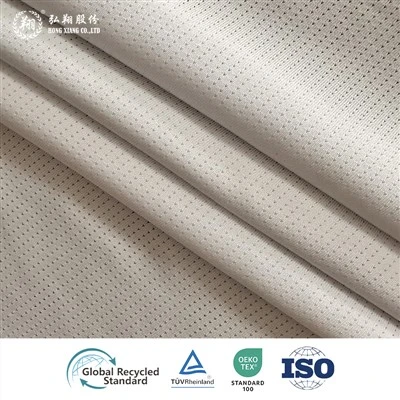
If you’re a manufacturer, designer, or small business owner looking to make gloves from knitted fabric, I’m here to help. We work with every kind of customer, from large industrial glove factories to small indie designers, and we can help you pick the right knit, yarn, and weight for your specific needs. Whether you need 10 yards of custom dyed rib knit for a small batch of fashion gloves or 10,000 yards of technical knit for work gloves, we’ve got you covered. Drop a line to chat through your project—no pressure, just honest advice from someone who’s been in the knitted fabric game long enough to know what works and what doesn’t.
Plain Knitted Fabric References
- Toumbakari, E. (2002). Knitted fabrics for technical applications. Textile Progress, 32(3), 1-56.
- Inoue, S., & Kondo, T. (2011). Stretch properties of knitted fabrics and their applications in clothing. Journal of Engineered Fibers and Fabrics, 6(2), 1-10.
- Miller, B. (2019). Technical knits for outdoor apparel and accessories. International Journal of Clothing Science and Technology, 31(4), 521-534.
- Smith, L. (2021). Durability characteristics of knitted work gloves for industrial use. Applied Ergonomics, 92, 103347.
Zhejiang Hongxiang Textile Technology Co., Ltd.
Zhejiang Hongxiang Textile Technology Co., Ltd. is one of the most professional knitted fabric manufacturers and suppliers in China. With abundant experience, we warmly welcome you to wholesale custom made knitted fabric from our factory. If you have any enquiry about cooperation, please feel free to email us.
Address: No. 8, 12th Road, Warp Weaving Park, Maqiao Street, Haining City, Jiaxing City, Zhejiang Province
E-mail: gd@hongxiang888.cn
WebSite: https://www.h-xiang.com/
