How to Check if an Outdoor Fan is Properly Installed?
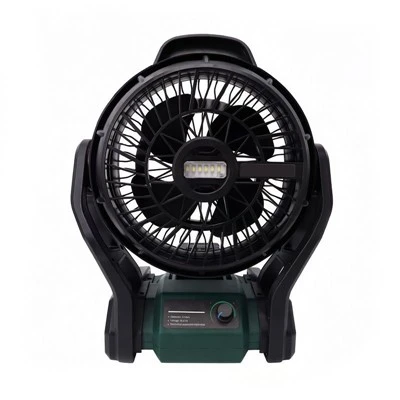
Hey there, fellow outdoor enthusiasts! As a seasoned supplier of outdoor fans, I’ve seen firsthand the importance of a well – installed fan. A properly installed outdoor fan can not only keep you cool during those sweltering summer days but also enhance the overall comfort and functionality of your outdoor space. In this blog, I’ll walk you through the key steps to check if your outdoor fan is installed correctly. Outdoor Fan
1. Initial Visual Inspection
The first step in checking your outdoor fan installation is a thorough visual inspection. Begin by examining the fan mounting bracket. This bracket should be securely attached to the ceiling or wall. Look for any signs of movement or looseness. If the bracket wobbles, it’s a clear indication that the installation is not up to par.
Check the bolts and screws that hold the bracket in place. They should be tightly fastened. Sometimes, vibrations during the initial fan start – up can cause these fasteners to loosen. If you notice any loose bolts or screws, use the appropriate tools to tighten them.
Next, inspect the fan blades. The blades should be evenly spaced and properly aligned. Unevenly spaced blades can cause the fan to wobble during operation, which not only affects the fan’s performance but can also be a safety hazard. Look for any visible damage to the blades, such as cracks or chips. Damaged blades should be replaced immediately to ensure the fan operates smoothly.
Take a look at the motor housing. It should be secure and free from any dents or damages. A damaged motor housing can expose the internal components of the fan to the elements, potentially leading to electrical issues or premature motor failure.
2. Electrical Connections
Outdoor fans are electrical appliances, and ensuring proper electrical connections is crucial for both safety and performance. Start by checking the power cord. It should be in good condition, without any frayed wires or exposed conductors. Frayed wires can pose a serious electrical shock hazard, so if you notice any damage, replace the power cord as soon as possible.
Examine the connection point where the power cord connects to the fan. This connection should be tight and secure. A loose connection can cause intermittent power supply, leading to the fan not operating at full speed or turning off unexpectedly.
If your outdoor fan is hard – wired, check the junction box. The wires inside the junction box should be properly connected and insulated. Look for any signs of overheating, such as a burnt smell or discolored insulation. Overheating can be a sign of a loose connection or an overloaded electrical circuit.
It’s also important to ensure that the outdoor fan is properly grounded. A grounded fan helps protect against electrical shocks. Check the grounding wire to make sure it is connected securely to the fan and to the electrical system.
3. Fan Balance
A balanced fan is essential for quiet and efficient operation. One way to check the balance of your outdoor fan is to run it at a low speed. A properly balanced fan should run smoothly without any noticeable wobbling or shaking. If you feel or see the fan wobbling, it may be unbalanced.
To balance the fan, most fans come with balance weights. These weights can be attached to the blades to correct any imbalances. Start by marking the highest point of the blade that is causing the wobble. With the fan turned off, carefully attach the balance weight to the opposite side of the marked blade. Start with a small weight and gradually add more if needed.
After adding the weight, turn the fan back on and check if the wobbling has decreased. You may need to adjust the position or the number of weights until the fan runs smoothly.
4. Clearance and Airflow
Another important aspect of a proper outdoor fan installation is the clearance around the fan. The fan should have enough space around it to allow for proper airflow. Check the distance between the fan blades and any nearby objects, such as walls, ceilings, or furniture.
As a general rule, there should be at least 18 inches of clearance between the fan blades and any large objects. This ensures that the fan can circulate air effectively without being obstructed. If the fan is too close to an object, it may create a vacuum effect, reducing the efficiency of the airflow.
In addition to the clearance, also observe the direction of the airflow. Most outdoor fans have a reversible switch that allows you to change the direction of the blades. In the summer, the fan blades should rotate counter – clockwise. This creates a downdraft, which gives the feeling of a cool breeze. In the winter, the blades can be set to rotate clockwise at a low speed. This helps to move warm air that rises to the ceiling back down into the room.
5. Noise Level
A properly installed outdoor fan should operate quietly. If you notice excessive noise coming from the fan during operation, it could indicate an installation problem. Start by checking the fan blades for any loose objects, such as leaves or twigs, that may be caught in the blades. Remove any debris and see if the noise decreases.
Noisy fans can also be caused by a misaligned motor or a damaged bearing. If you suspect a motor or bearing issue, it’s best to consult a professional technician. They have the tools and expertise to diagnose and fix the problem.
6. Remote Control and Speed Settings
If your outdoor fan comes with a remote control, test all the functions to make sure they are working properly. Check if you can turn the fan on and off, adjust the speed settings, and change the blade direction using the remote.
Test each speed setting to ensure that the fan operates smoothly at all speeds. If the fan has difficulty changing speeds or fails to reach a certain speed, there could be an issue with the motor or the speed control mechanism.
Conclusion
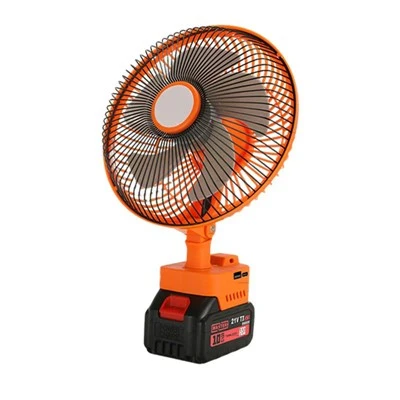
In conclusion, checking if your outdoor fan is properly installed is essential for its performance, safety, and longevity. By following the steps outlined in this blog, you can ensure that your outdoor fan provides you with years of reliable service.
Outdoor Fan If you’re in the market for a high – quality outdoor fan or have any questions about fan installation or maintenance, I’d love to hear from you. Contact us to start a conversation about finding the perfect outdoor fan for your needs. Let’s work together to create a more comfortable and enjoyable outdoor space.
References
- "Home Electrical Wiring and Appliance Installation Guide", McGraw – Hill Education
- "Fan Installation Best Practices", American Fan Manufacturers Association
Yongkang Agudo Industry & Trade Co., Ltd.
As one of the most professional outdoor fan manufacturers in China, we’re featured by high quality customized products. Welcome to wholesale bulk advanced outdoor fan in stock here from our factory. If you have any enquiry about pricelist and free sample, please feel free to email us.
Address: 2nd Floor, Unit 2, Building 5, No. 46 Xicheng Huacheng West Road, Xicheng Subdistrict, Yongkang City, Zhejiang Province
E-mail: 15888900905@163.com
WebSite: https://www.cnagudo.com/
