Hey there! As a supplier of lifting points, I’ve got a ton of experience when it comes to quality control. In this blog, I’ll share the key quality control measures we take to ensure our lifting points meet the highest standards. Lifting Point

Material Selection
The first step in quality control starts with material selection. We don’t just pick any old metal; we’re super picky. We source high – strength steel from trusted suppliers. You see, the quality of the material directly affects the strength and durability of our lifting points.
We work closely with our steel suppliers who have to meet our strict requirements. They need to provide detailed material certificates that show the chemical composition and mechanical properties of the steel. We check things like carbon content, which can affect the hardness and ductility of the material. Too much carbon can make the steel brittle, while too little might not give it enough strength.
We also look at the tensile strength and yield strength of the steel. Our lifting points need to be able to handle heavy loads without deforming or breaking. We only use steel that has been tested to have high enough values for these properties. And we don’t just take the supplier’s word for it. We often send samples of the steel to independent laboratories for additional testing to double – check everything.
Manufacturing Process Control
Once we’ve got the right material, the manufacturing process is crucial. We’ve got a well – defined production line where every step is closely monitored.
Machining
The first stage is machining. We use state – of the – art CNC machines to cut and shape the raw steel into the basic form of the lifting point. These machines are highly accurate, but we still have operators constantly checking the dimensions. They use precision measuring tools like calipers and micrometers to make sure everything is within the specified tolerances.
For example, the pinhole in a lifting point needs to be just the right size. If it’s too big, the pin might not fit tightly and could cause the lifting point to fail. If it’s too small, the pin might not go in at all. So, our operators measure the pinhole diameter at multiple points to ensure its accuracy.
Heat Treatment
After machining, the lifting points go through heat treatment. This is a key step to improve the material’s properties. We heat the parts to a specific temperature and then cool them at a controlled rate. Different types of heat treatment, like quenching and tempering, can change the hardness and toughness of the steel.
During the heat – treatment process, we use temperature sensors to monitor the heat levels all the time. We also keep records of the time and temperature for each batch. After heat treatment, we conduct hardness tests on the lifting points. We use hardness testers, and if the hardness is not within the acceptable range, we’ll re – evaluate the heat – treatment process for that batch.
Welding (if applicable)
Some of our lifting points involve welding. Welding is a critical process because a bad weld can be a weak point in the lifting point. Our welders are highly skilled and certified. They follow strict welding procedures that we’ve developed.
We use non – destructive testing methods on the welds. For example, we use magnetic particle testing to check for surface cracks in the weld. Ultrasonic testing is used to detect internal flaws. If any issues are found, the weld is re – worked or the part is rejected.
Final Inspection
Once the manufacturing process is complete, it’s time for the final inspection. This is our last chance to catch any problems before the lifting points go out to our customers.
Visual Inspection
We start with a thorough visual inspection. Our inspectors look for any signs of surface defects like cracks, pitting, or scratches. Even a small scratch can potentially lead to a larger problem over time, especially when the lifting point is under stress.
We also check for proper finishing. The surface of the lifting point should be smooth and free of any rough edges that could cause injuries or damage to ropes or chains during use.
Load Testing
Then comes the load testing. We subject a sample from each batch to a load – test. This test is designed to simulate real – world conditions. We use calibrated testing equipment to apply a specified load to the lifting point.
For example, if a lifting point is rated for a 5 – ton load, we’ll apply a load higher than 5 tons (usually a safety margin of around 1.5 times the rated load) for a certain period. If the lifting point shows any signs of deformation, cracking, or failure during the test, the entire batch is re – evaluated.
Marking and Documentation
After passing all the inspections, we mark each lifting point with important information. This includes the rated load, the batch number, and our company logo. The marking is permanent, usually by laser engraving.
We also create detailed documentation for each batch. This documentation includes all the test results, material certificates, and manufacturing records. This way, if a customer ever has a question or there’s an issue, we can quickly trace back the history of the lifting point.
Ongoing Quality Improvement
Quality control isn’t a one – time thing. We’re always looking for ways to improve. We gather feedback from our customers regularly. If they encounter any problems or have suggestions for improvement, we take them very seriously.
We also participate in industry conferences and workshops. This helps us stay up – to – date with the latest technologies and standards in the lifting – point industry. We invest in research and development to come up with new designs and manufacturing techniques that can make our lifting points even better.
Why Our Quality Control Matters to You
If you’re in the market for lifting points, you can’t afford to cut corners on quality. Poor – quality lifting points can lead to accidents, which can cause serious injuries or even loss of life. When you buy from us, you can be confident that our lifting points have gone through rigorous quality control.
Our strict quality control measures not only ensure the safety of your operations but also save you money in the long run. You won’t have to worry about replacing faulty lifting points frequently or dealing with the costs associated with accidents caused by sub – standard products.
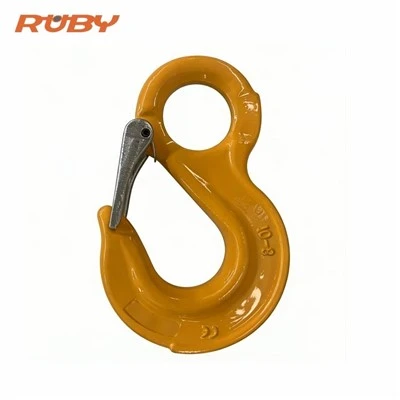
So, if you’re interested in purchasing high – quality lifting points, don’t hesitate to reach out to us. We’re always ready to discuss your specific needs and provide you with the best lifting – point solutions. Whether you’re in the construction industry, the manufacturing sector, or any other industry that requires reliable lifting equipment, we’ve got you covered.
Lifting Point References:
- "Handbook of Materials Science and Engineering"
- Industry standards for lifting points published by relevant regulatory bodies.
Hangzhou Ruby Imp. & Exp. Co., Ltd.
As one of the most experienced lifting point manufacturers and suppliers in China, we offer a wide range of products with superior quality. We warmly welcome you to wholesale custom made lifting point at competitive price from our factory.
Address: Taoyuan Industrial Park, Puyang Town, Xiaoshan, Hangzhou, Zhejiang, China.
E-mail: Sales5@z2lifting.com
WebSite: https://www.rubylifting.com/
