Hey there! As a supplier of polyurethane screen panels, I often get asked about the rebound resilience of these panels. So, let’s dive right into it and have a chat about what this whole "rebound resilience" thing is all about. Polyurethane Screen Panel
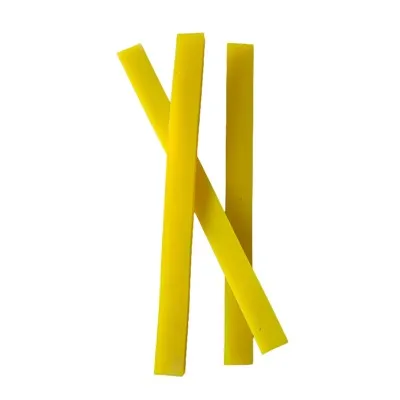
First off, what’s rebound resilience? Well, in simple terms, it’s the ability of a material to bounce back after being deformed. When it comes to polyurethane screen panels, this is a super important property. You see, these screen panels are used in all sorts of industries like mining, quarrying, and food processing. They have to deal with a whole lot of impact from the materials they’re screening, whether it’s rocks, gravel, or even grains.
Let’s take a look at how rebound resilience works in the real – world use of polyurethane screen panels. Imagine you’re in a mining operation. Big chunks of ore are being dumped onto the screen panel. The panel gets hit hard, and it deforms a bit under the impact. But here’s where rebound resilience kicks in. A good polyurethane screen panel with high rebound resilience will quickly spring back to its original shape. This is crucial because if the panel doesn’t bounce back, it can start to wear out unevenly. Over time, that uneven wear can lead to holes in the panel, which means that the screening process won’t be as effective.
Now, you might be wondering what makes the rebound resilience of a polyurethane screen panel so good. Well, it all boils down to the chemistry of the polyurethane. Polyurethane is a polymer, and its molecular structure plays a big part. The long – chain molecules in polyurethane are sort of like elastic bands. When the panel is deformed, these molecules stretch. But because of their structure, they have a natural tendency to return to their original, coiled state. That’s what causes the panel to bounce back.
Another factor that affects rebound resilience is the manufacturing process. At our place, we’re really careful about how we make our polyurethane screen panels. We use advanced molding techniques to ensure that the polyurethane is evenly distributed and that there are no weak spots in the panel. If there are areas where the polyurethane is thinner or not as well – formed, those spots are more likely to have lower rebound resilience. And when they get hit, they might not bounce back as well as the rest of the panel.
Talking about the benefits of high rebound resilience in polyurethane screen panels. One of the biggest perks is longer lifespan. Like I said earlier, a panel with good rebound resilience can handle impacts better without wearing out too quickly. This means you won’t have to replace your screen panels as often, which saves you money in the long run.
In addition to cost – savings, high rebound resilience also means better screening efficiency. When the panel bounces back quickly after each impact, it can keep the material moving across the screen more effectively. This reduces the chances of the material getting stuck in the screen, which is a common problem in screening operations. As a result, you can get more accurate and consistent screening results.
Now, how do we measure the rebound resilience of our polyurethane screen panels? Well, we use a standard test called the DIN abrasion test. In this test, a small sample of the polyurethane is subjected to a series of impacts. The amount of energy that the sample absorbs during the impacts is measured, and then we calculate how much of that energy is returned when the sample bounces back. The higher the percentage of energy returned, the better the rebound resilience of the material.
All our screen panels go through this test before they leave our factory. We want to make sure that every panel we sell meets our high standards of quality. We know that our customers rely on these panels to keep their operations running smoothly, so we don’t cut any corners.
I also want to mention that the rebound resilience of our polyurethane screen panels can be adjusted depending on the specific needs of our customers. For example, if you’re in an industry where the materials being screened are really heavy and cause a lot of impact, we can make panels with even higher rebound resilience. On the other hand, if you need a panel for a less demanding application, we can offer a more cost – effective option with slightly lower rebound resilience.
So, to sum it all up, the rebound resilience of a polyurethane screen panel is a key property that affects its performance, lifespan, and screening efficiency. It’s determined by the chemistry of the polyurethane and the manufacturing process. At our company, we take pride in producing high – quality screen panels with excellent rebound resilience.
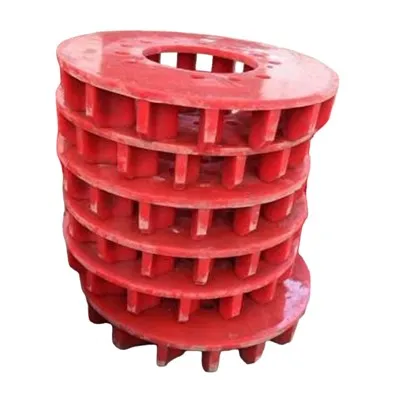
If you’re in the market for polyurethane screen panels, whether you’re in the mining, quarrying, or food processing industry, we’d love to talk to you. We can help you choose the right panel for your specific application based on the rebound resilience and other properties. Just reach out to us, and we’ll be happy to have a chat and see how we can meet your needs.
Polyurethane Screen References:
- "Polymer Materials Science and Engineering" by some well – known polymer experts.
- Industry standards and guidelines for polyurethane screen panel testing.
Yangzhou Yaye Wire Mesh Manufacturing Co., Ltd.
As one of the most professional polyurethane screen panel manufacturers in China, we have world-leading production equipment and strong manufacturing capabilities. Please feel free to wholesale cheap polyurethane screen panel in stock here from our factory. Also, free sample is available.
Address: No. 1 Jiangjia Road, High-tech Industrial Park, Jiangdu District, Yangzhou City, Jiangsu Province
E-mail: 13952515577@163.com
WebSite: https://www.yayescreen.com/
