Hey there! I’m a supplier of UL PV wire, and I’ve been in this business for quite a while. Today, I wanna talk about the environmental impacts of UL PV wire. UL PV Wire
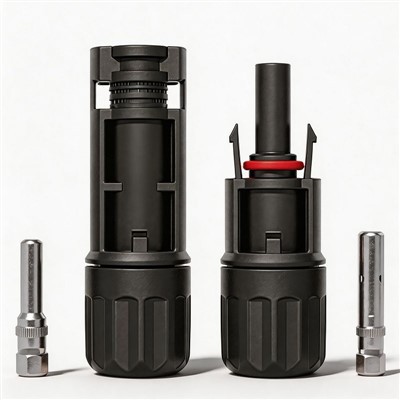
First off, let’s understand what UL PV wire is. UL stands for Underwriters Laboratories, and it’s a well – known organization that sets safety standards. UL PV wire is specifically designed for use in photovoltaic (PV) systems, which are used to convert sunlight into electricity. These wires are crucial as they connect the solar panels to the rest of the system, like inverters and charge controllers.
Positive Environmental Impacts
Contribution to Renewable Energy
One of the biggest pluses of UL PV wire is its role in promoting renewable energy. Solar power is a clean and sustainable energy source. When you use UL PV wire in a solar panel system, you’re helping to get more solar energy into the grid. Solar energy doesn’t produce greenhouse gas emissions like fossil fuels do. For instance, coal – fired power plants release tons of carbon dioxide, sulfur dioxide, and other pollutants into the atmosphere every year. In contrast, a solar PV system with UL PV wire can operate for decades without emitting any harmful gases. This helps in the fight against climate change by reducing our reliance on non – renewable energy sources.
Energy Efficiency
UL PV wire is designed to have low resistance. Low resistance means less energy is lost as heat during the transmission of electricity from the solar panels to the rest of the system. This is super important because it maximizes the amount of energy that can be harvested from the sun. When energy loss is minimized, the overall efficiency of the PV system goes up. For example, if a PV system with a regular wire loses 10% of the energy due to resistance, a system with UL PV wire might only lose 3 – 5%. This increased efficiency means we can get more power out of the same number of solar panels, which in turn reduces the need for additional panels and resources.
Long Lifespan
UL PV wire is built to last. It can withstand harsh environmental conditions such as extreme temperatures, UV radiation, and moisture. This long lifespan is great for the environment because it reduces the frequency of replacement. When a product has to be replaced less often, there’s less waste generated. Think about it – if a wire needs to be replaced every 5 years, it means more manufacturing, more transportation, and more disposal. But with UL PV wire lasting 20 – 30 years, we can significantly cut down on these environmental impacts.
Negative Environmental Impacts
Raw Material Extraction
The production of UL PV wire requires various raw materials, such as copper and polymers. The extraction of these materials can have a significant environmental impact. Copper mining, for example, is a resource – intensive process. It often involves large – scale open – pit mining, which can lead to deforestation, soil erosion, and water pollution. The chemicals used in the extraction process, like sulfuric acid, can contaminate nearby water sources, harming aquatic life.
In addition, the production of polymers used in the insulation of UL PV wire usually comes from petrochemicals. The extraction and refining of petroleum are major contributors to air pollution and greenhouse gas emissions. The process releases large amounts of carbon dioxide and other pollutants into the atmosphere, contributing to global warming.
Manufacturing Process
The manufacturing of UL PV wire also has its environmental drawbacks. The production process involves several steps, including extrusion, coating, and testing. These processes consume a lot of energy, mostly from non – renewable sources. For example, the extrusion process, which shapes the wire, requires high – temperature heating, and this energy often comes from fossil – fuel – based power plants.
Moreover, the manufacturing process can generate waste. There are scraps of wire and insulation materials that are discarded during production. If not properly managed, these waste materials can end up in landfills, where they may take a long time to decompose.
Disposal
When UL PV wire reaches the end of its lifespan, proper disposal is crucial. However, many wires end up in landfills. The insulation materials, especially some of the polymers, may not be biodegradable. Over time, these materials can leach harmful chemicals into the soil and groundwater. For example, some flame – retardant chemicals used in the insulation can be toxic to the environment and human health.
Mitigating the Negative Impacts
Sustainable Sourcing
As a UL PV wire supplier, I’m committed to sustainable sourcing of raw materials. We’re looking for copper mines that use more environmentally friendly extraction methods, such as in – situ leaching, which reduces the need for large – scale open – pit mining. We’re also exploring the use of bio – based polymers for insulation. These polymers are made from renewable resources like plants, which can significantly reduce the reliance on petrochemicals.
Energy – Efficient Manufacturing
We’re investing in energy – efficient manufacturing technologies. For example, we’re using more advanced heating systems that can reduce energy consumption during the extrusion process. We’re also looking into using renewable energy sources, like solar panels, to power our manufacturing facilities. This way, we can cut down on our carbon footprint and make the production process more sustainable.
Recycling Programs
We’re working on setting up recycling programs for end – of – life UL PV wire. By recycling the copper and other materials, we can reduce the need for new raw material extraction. Recycling also consumes less energy compared to producing new materials from scratch. For example, recycling copper requires only about 10% of the energy needed to mine and refine new copper.
Conclusion
UL PV wire has both positive and negative environmental impacts. On one hand, it plays a vital role in promoting renewable energy and has some energy – efficient and long – lasting features. On the other hand, the raw material extraction, manufacturing, and disposal processes can have significant environmental drawbacks.
But as a supplier, I’m doing my best to mitigate these negative impacts. By focusing on sustainable sourcing, energy – efficient manufacturing, and recycling programs, we can make the production and use of UL PV wire more environmentally friendly.
If you’re interested in purchasing UL PV wire for your solar projects, I’d love to have a chat with you. We can discuss your specific needs and how our products can fit into your plans. Don’t hesitate to reach out and start a conversation about your procurement requirements.
MC4 Connector References
- "Renewable Energy: Sources for Fuels and Electricity" by John Twidell and Tony Weir
- "Environmental Impacts of Mining" by the United Nations Environment Programme
- "The Chemistry of Polymers" by Paul C. Hiemenz and Timothy P. Lodge
Tianjin Xilingke New Energy Technology Co., Ltd.
As one of the most professional ul pv wire manufacturers and suppliers in China, we’re featured by quality products and low price. Please rest assured to wholesale durable ul pv wire made in China here from our factory. For quotation, contact us now.
Address: Suite 2601, Tower B, Wanghai International, Haihe East Road, Hebei District, Tianjin, China.
E-mail: robin@sinelinkev.com
WebSite: https://www.sinelinkenergy.com/
