Hey guys, let’s cut to the chase. If you’re in the packaging game, you’ve probably heard the term “textured packaging board” thrown around a lot lately—especially from brands trying to stand out on shelf or keep their products looking premium. But what the heck is it, exactly, and why should you care? As someone who’s been supplying packaging board for over a decade (yep, I’ve seen every flimsy, boring roll come through our warehouse), I’m gonna break this down like I would chattiing with a regular client or a newbie brand owner figuring out their first run. No stuffy jargon, just real talk. Packaging Board
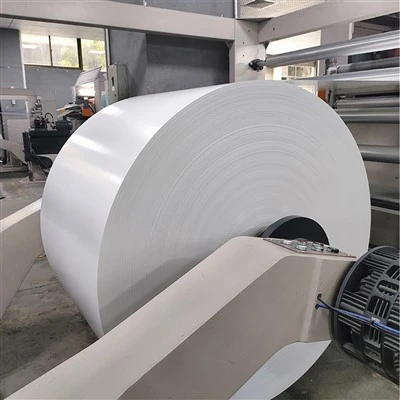
First off, let’s start with the basics: textured packaging board is, at its core, standard packaging board—like the stuff you use for shipping boxes, product inserts, or retail packaging—with a deliberate, non-smooth surface finish added during manufacturing. Wait, not just a random smudge, right? It’s a controlled texture, not just “messy board.” Think of it like the difference between a plain sheet of printer paper and a sheet of cardstock with a subtle linen weave or a soft, matte grain that catches light just right. That’s the vibe here.
You might be wondering, why add texture in the first place? Let’s be real: a boring, flat white box gets lost in a sea of Amazon packages or generic store shelves. Texture turns packaging from a throwaway box into something that feels tangible. If you run a skincare brand, for example, a lotion bottle sitting on a smooth plastic blister pack vs. a textured board insert that’s soft to the touch? That small difference makes customers perceive your product as higher quality, even if the actual product’s price point isn’t luxury. Same goes for food packaging—think artisanal jam jars with a cardboard sleeve that doesn’t feel like cheap chipboard, but has a rough, natural texture that matches the “homemade” brand story.
Now, how is it made? This isn’t just scribbling on board with a marker. Textured packaging board gets its surface from one of two main methods, depending on the finish we’re going for and the end use. First, there’s embossing: that’s when a hot, patterned roller is pressed onto the board (either raw paperboard or finished, coated board) to leave a raised impression. I’ve seen this done with all kinds of patterns—pine needles, subtle grids, even custom logos pressed flat into the surface. Second, there’s specialty coating: we mix tiny particles (like calcium carbonate, or even recycled paper pulp fibers) into the top layer of the board during manufacturing, so when it dries, the surface has a gritty, uneven texture instead of a smooth, uniform coating. For food-safe packaging, we make sure those coatings are BPA-free and meet FDA standards—no cutting corners there, especially when we’re supplying brands that need to ship edible goods.
Wait, let’s separate the types of textured board because not all texture is the same. I see brands mix these up all the time, which leads to problems like a sleeve that looks cheap or won’t fit right on a product. Let’s list the most common ones I supply:
-
Natural/Recycle Textures: This is the most popular right now, honestly. It’s made from 100% recycled board, and the texture comes from leftover fiber bits in the pulp—so it looks and feels like uncoated, rustic cardboard, without any fancy coatings. Brands love this for eco-focused products: zero-waste snacks, organic cotton apparel, or home goods. It’s cheap, easy to print on (as long as your printer can handle the slightly rough surface), and checks that “sustainable” box customers go crazy for. Last year, a craft coffee brand came to us asking for this exact type—their coffee bags’ board sleeves hit 20% more sales than their previous smooth packaging, because shoppers said it “felt like a small-batch roast” instead of the generic grocery store stuff.
-
Matte Linen/Weave Textures: These are smoother than natural textured board, but not flat. The texture is a fine, repeating pattern, like linen fabric. We add this by embossing a roller with a linen weave design onto a coated board (usually white or kraft, depending on the brand). This is super common for high-end beauty packaging, premium skincare, or wedding invitations that use cardboard. I recently supplied a luxury candle brand with this—their custom embossed linen sleeves made their candles stand out way more than the smooth ones they’d used before. Customers would run their fingers over the sleeve and comment on how “luxurious” it felt, even before they saw the candle.
-
Gritty/Textured Kraft Board: This is a bit tougher—more durable, with a rough, almost corrugated-like texture but solid. It’s great for shipping boxes that need a little anti-slip grip, or product boxes for heavy items like books, small electronics, or gardening tools. The texture helps keep the box from sliding around during shipping, and it also adds a rugged, “tough” vibe that works for brands making outdoor gear or DIY supplies. I once had a customer selling portable power tools tell us their textured shipping boxes cut down on return rates because customers said the packaging felt “sturdy and reliable.”
Now, let’s talk about the pros and cons—because no product is perfect, right? As a supplier, I’m not gonna sugarcoat it. The pros are obvious: it boosts brand perception, helps your packaging stand out, can be eco-friendly if you use recycled stock, and adds a tactile element that online shoppers love (wait, yeah—when you sell on Instagram or Amazon, product photos that show texture get way more engagement. Shoppers can feel like they’re holding the product even if they’re scrolling on their phone).
But there are downsides, too. First, printing can be tricky. If the texture is really gritty, ink might not stick as evenly—so you need a printer that’s set up for textured surfaces, not just flat cardstock. Second, it can be more expensive than plain board—adding texture during manufacturing adds a little extra cost, so if you’re on a super tight startup budget, it might not be the first thing you splurge on. Third, if the texture is too pronounced, it can make folding or cutting the board harder during packaging assembly—so we always work with clients to pick a texture that fits their manufacturing process, not just their brand.
Wait, let’s talk about use cases, because that’s where most brands mess up. Don’t use a super rustic textured board for a minimalist tech product—like, a wireless charger that’s supposed to look sleek and modern. A smooth matte board with a subtle, understated embossed logo would work way better, not that rough, pine-textured stuff. On the flip side, don’t use a plain smooth board for an artisanal granola brand—customers will pass it over for a brand with that natural, earthy texture. It’s all about matching the texture to your brand’s identity, not just adding texture for the sake of it.
I’ve been supplying this stuff for years, and I’ve seen what works and what doesn’t. Last year, we had a startup selling plant-based dog treats come to us with a really specific request: they wanted textured board that looked like burlap, to match their “farm-to-bowl” brand. We tested a few embossing rollers, adjusted the coating, and ended up with a board that was just right—rough enough to feel like burlap, but smooth enough to print their cute dog logo clearly. Their first batch sold out in 2 weeks, and they came back for 10x the order a month later. That’s the thing about textured packaging: when you get it right, it doesn’t just hold your product—it becomes part of your brand story.
Another quick thing: people often mix up textured packaging board with corrugated board. Wait, corrugated is the wavy stuff you use for heavy shipping boxes, right? Textured board is usually solid—like, the paperboard that’s used for retail packaging, not the inner lining of a shipping box. Though, you can get textured corrugated too, but that’s a different product entirely. Most of what I supply is solid textured board, not corrugated.
Now, if you’re a brand owner or a packaging designer reading this, here’s my quick tip: before you jump into ordering a huge batch, order a small sample pack. We send free samples (no fine print, just fill out a quick form) so you can feel the texture, test how your ink looks on it, and make sure it works with your packaging machine. I’ve had so many clients who ordered a custom texture without testing, only to find out their die-cut machine couldn’t cut the textured board cleanly, or the ink smudged. Save yourself the hassle—test first.
At the end of the day, textured packaging board isn’t just a trend. It’s a way to make your packaging do more than just hold your product. It’s a touchpoint, a way to connect with customers before they even use what you’re selling. Whether you’re a small startup just launching your first product, or a big brand refreshing your packaging, there’s a textured board that fits your needs—no matter your budget or your brand’s vibe.
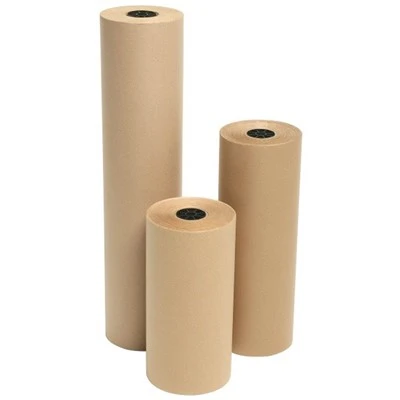
If you’re curious about what we have, or want to chat through what would work for your brand, just reach out. I can send over sample packs, break down pricing, and even give you tips on how to design your packaging to make the most of that texture. Don’t overcomplicate it—we’re here to help you find the right board, no jargon, no hassle.
References
Kraft Paper Tappi T 476, Surface Texture of Paper and Paperboard
Fiber Box Association, Sustainable Textured Packaging Solutions
Packaging Digest, 2023 Trends in Tactile Packaging for Retail Brands
Dongguan Banyan Material Co., Ltd.
We are one of the most experienced packaging board manufacturers and suppliers in China, also support customized service. Please feel free to wholesale bulk eco-friendly packaging board from our factory. Quality products and reasonable price are available.
Address: NO.167, Meijing West Road, Songmushan, Dalang Town, Dongguan City, Guangdong Province, China
E-mail: Sales_chris@yspaper.com
WebSite: https://www.paperyoung.com/
