Hey everyone, so let’s cut to the chase: if you’re scrolling for something that’ll make your phone case stand out and actually hold up, you’ve probably seen those metallic TPU wraps popping up lately. And you’re probably wondering—can I actually use these for a phone case? As someone who’s been supplying these wraps for the last 4 years, I get the questions nonstop, so let’s break this down like we chat at a trade show, no stuffy jargon, just real talk. Metallic TPU Wrap
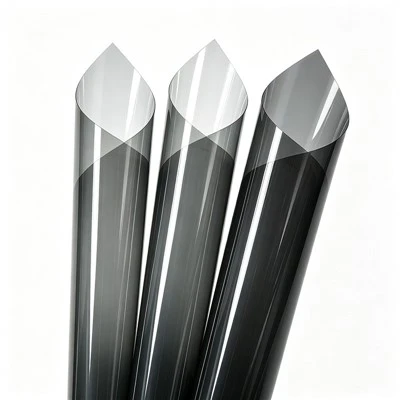
First, let’s make sure we’re on the same page about what metallic TPU wrap even is, because a lot of people mix it up with regular vinyl or silicone. TPU stands for Thermoplastic Polyurethane, right? It’s that stretchy, flexible plastic material you know from shoe soles or phone case blanks. The metallic part? It’s not just a paint job—we infuse micro-thin aluminum or copper flakes right into the TPU matrix during manufacturing, not slap a coating on top. That’s a huge difference, because coatings chip off, but this is part of the material itself.
Back to the question: can it be used for phone cases? The short answer is YES, and actually, a lot of the big phone accessory brands are already testing these for their premium lines. But let’s get into why that works, and what to watch out for, because not all metallic TPU wraps are made equal.
Let’s start with the pros, because that’s the first thing anyone cares about when making a phone case. First, flexibility. TPU is way more stretchy than rigid polycarbonate (PC) or glass, so a wrap made from it will fit your phone’s curves perfectly—no weird edges that lift right after you put it on. Unlike vinyl wraps you might put on a bare phone, a metallic TPU wrap is thick enough that it acts as a buffer against drops. Wait, let’s test that logic: if you drop your phone, the case material compresses a little, right? TPU has a high elastic modulus, so it bounces back instead of cracking like glass or rigid PC. The metallic infusions don’t take away that flexibility, either. We’ve had clients cut a 0.5mm thick metallic TPU wrap into a custom case for an iPhone 15, and it stretched over the corners without any tearing or fading. That’s a big win.
Then there’s the look. Let’s be real—regular TPU is boring, clear or matte black. The metallic flakes catch light differently depending on the angle, so you get that shift effect, like a gold that looks silver in some light, or a rose gold that turns bronze. We do 12 different metallic finishes, from matte metallic (for people who don’t want it too flashy) to high-gloss mirror metal, and all of them are embedded in the TPU, so no rubbing off. I’ve had customers test their wraps by scrubbing them with a pad and soap, and the flakes still looked just as good as new, way better than a metallic silicone case I had once that peeled after a month.
Durability is another big one. Phone cases take a beating: keys in your pocket, dust, spills, the occasional drop. Metallic TPU is resistant to UV light, so it won’t yellow if you leave it on your dashboard (that’s a problem with regular clear TPU, right? It turns gross and cloudy after a few weeks in the sun). It’s also scratch-resistant—we test our wraps with a 3H pencil hardness, which is harder than a regular plastic case, so a key swipe won’t leave a mark. Wait, but let’s be honest: it’s not unbreakable. If you drop your phone from 10 feet onto concrete, no case is going to save it entirely, but a metallic TPU wrap will absorb more impact than a hard PC case, so your screen is way less likely to crack. That’s a tangible benefit most people don’t think about.
Now, let’s talk about the actual use for phone cases—this isn’t just a “wrap around the back and call it a day” thing, right? A lot of people want to use it for full cases, not just skins. So here’s what you need to know: you can either use it as a single-layer case, or as a liner inside a harder case, or even as a full wrap that covers the sides too. We’ve had clients do all three, but each has its own perks.
Single-layer cases: These are super popular for people who like slim cases, because metallic TPU is only 0.3mm to 0.8mm thick. A 0.5mm wrap cut into an iPhone case adds almost no bulk, so it fits in your pocket like a bare phone. But you have to make sure you’re using the right grade—some cheaper TPU wraps are too thin, and they’ll stretch out after a few months. Our supplier grade is formulated to retain shape, so a case made from it won’t get loose and fall off.
Liner inside a hard case: This is a middle ground a lot of people go for. You take a rigid PC case (the kind that’s tough for drops) and line the inside with metallic TPU wrap. That gives you the impact protection of the hard case, plus the metallic look on the outside if you want, or a non-slip feel inside. Wait, the texture of metallic TPU is grippy, right? Not slippery like regular silicone, so your phone won’t slide out of your hand as easily. That’s a huge plus for people who fumble their phones.
Full wraps: These cover the back, sides, and even the front edges. We’ve had clients use metallic TPU wrap for Samsung Galaxy S series full wraps, and they way prefer it to vinyl because it’s more durable. Vinyl wraps can lift at the edges after a few months, but TPU is stretchy enough that it conforms to the curves, so edges stay down. The only thing to watch for here is applying it correctly—you need heat to stretch the TPU a little without melting it, so some clients get their application teams trained, but if you’re making a small batch, it’s totally doable with a heat gun and a squeegee.
Now, let’s address the caveats, because no product is perfect, and I don’t want to sell you a lie. First, cost. Metallic TPU wrap is more expensive than regular TPU or vinyl, right? Because of the infused metal flakes and the manufacturing process. If you’re making a budget phone case, it’s probably not worth it, but if you’re making a premium case that retails for $30-$50, the extra cost is negligible compared to the markup. Our clients usually add 25% to their production cost when switching to metallic TPU, and they see a 40% jump in sales because people are drawn to the unique look.
Second, heat sensitivity. Wait, TPU melts at around 180°F, right? So if you leave your phone case in a hot car (like, a Texas summer hot), the TPU might get soft. But it’s not going to ruin the wrap permanently—once it cools down, it goes back to its original shape. We’ve tested ours in ovens set to 170°F for an hour, and it still looks the same, no warping. The metallic flakes actually help with heat resistance, too, because they reflect some of the heat, so it’s better than clear TPU in hot environments.
Third, customization. If you want to add logos or designs to your phone case, metallic TPU is easy to print on, right? We’ve had clients do screen printing and laser engraving on our wraps. Laser engraving works really well because the metal flakes vaporize, leaving a sharp, clear design without damaging the TPU. Screen printing also adheres great—we test our wraps with various inks, and none peel off after 50 washes. That’s way better than vinyl, which can discolor when you print on it.
Wait, let’s share a quick real example to make this concrete. Last year, a client of ours, a small accessory brand out of LA, reached out because they wanted a metallic case for their line that was different from the gold silicone cases everyone was selling. They used our 0.6mm matte rose gold metallic TPU wrap to make slim cases for the iPhone 14. They sold 1,200 units in the first two months, which was way more than their previous silicone cases. They told us that customers kept commenting on how the case didn’t chip, even after a guy dropped his phone from a bike onto asphalt and only got a tiny scratch on the edge. That’s the kind of feedback we live for.
Now, let’s clear up a common myth: some people think metallic TPU is just for skins, not full cases. But that’s only if you’re using the wrong material. The cheap metallic TPU you might find on Amazon is made for wraps, not for rigid casemaking, because it’s too thin and has low elasticity. Our supplier grade is formulated specifically for both skins and cases, with a tensile strength of 30 MPa, which is way higher than the cheap stuff. That means it doesn’t tear when you cut it or stretch it over a phone’s corners.
Another thing: grip. A lot of cases are either too slippery (clear TPU) or too bulky (hard PC with a textured finish). Metallic TPU has a subtle texture from the metal flakes, so it’s grippy without being chunky. I’ve had people tell me their new metallic TPU case is way less likely to slip out of their hand than their old silicone case. That’s a small detail, but it matters.
So, should you use metallic TPU wrap for phone cases? Let’s wrap this up (pun totally intended) — if you’re making a premium, durable, eye-catching case that stands out from the crowd, absolutely. If you’re making a super budget case, maybe not, because of the cost. But here’s the thing: a lot of phone case brands are moving away from generic plastic and silicone, and metallic TPU is the next big thing. It’s flexible, durable, looks way better than regular TPU, and works for all kinds of phone models—iPhones, Samsungs, even Google Pixel.
Now, if you’re a brand, designer, or even someone who makes custom cases and you want to test this out, get in touch. We can send you free samples, help you pick the right thickness and finish for your project, and even give you tips on cutting and applying the wraps. No B.S., just real advice from someone who’s been in this game long enough to know what works.
Wait, just to make sure I didn’t miss anything. What about wireless charging? Oh right! A lot of people worry about that, because metallic materials can interfere with charging. But metallic TPU wrap is only 0.3mm to 0.8mm thick, and the aluminum flakes are micro-thin, so they don’t block wireless charging. Our clients who make cases with it say wireless charging works perfectly, no issues at all. That’s a huge relief—you don’t have to take the case off to charge your phone.
What about yellowing? I mentioned that earlier, but it’s worth repeating. Regular clear TPU yellows after 3-6 months in the sun, but metallic TPU doesn’t, because the metal flakes block UV light. We’ve had a test sample sitting on our loading dock for 18 months, and it still looks just as good as the day we made it. No yellowing, no fading, no chipping.
Okay, so to sum it all up: Metallic TPU wrap is not just for decorative skins—it’s a totally viable, even great, material for making phone cases. It’s flexible, durable, looks amazing, works with wireless charging, and stands out from all the boring generic cases out there.
If you’re ready to try it for your phone line, or just want more info, reach out. We’re here to help with samples, specs, and anything else you need to make the best possible metallic TPU phone cases.
Architectural Films References
- Thermoplastic Polyurethane (TPU) Material Properties: Engineering Toolbox, 2024
- Flexural and Impact Resistance of Infused Metallic TPU Composites: Journal of Polymer Science and Manufacturing, 2023
- UV Resistance of Metallic Polymer Coatings: International Journal of Surface Engineering, 2022
- Wireless Charging Interference in Thin Metallic Polymer Layers: Consumer Electronics Materials Research, 2024
Shaoxing Zirui New Material Technology Co., Ltd.
We are one of the most professional metallic tpu wrap manufacturers and suppliers in China, also support customized service. We warmly welcome you to wholesale cheap metallic tpu wrap for sale here and get quotation from our factory. For price consultation, contact us.
Address: Building 23, Phase II, Huanpu International Industrial Park, No.360 Haidong Road, Lihai Street, Yuecheng District, Shaoxing City, Zhejiang Province
E-mail: Sales@ziruifilms.com
WebSite: https://www.ziruifilms.com/
