If you’ve ever walked into a home, office, or industrial space and noticed a perfectly finished, gap-free door that opens and closes without a squeak, chances are that door came off a well-maintained panel production line. As someone who’s spent the last 12 years supplying and servicing door panel production lines across North America and Europe, I’ve seen too many operators cut corners on routine maintenance only to face catastrophic downtime, costly replacements, and missed delivery windows that sink client relationships. Door panel production isn’t just about running parts through machines—it’s about balancing precision, material care, and consistent upkeep to turn raw lumber, veneers, and hardware into products that meet code and customer expectations. Over the years, I’ve refined a maintenance routine that’s saved my clients thousands in avoidable repairs, and I’m sharing it here because every line deserves to run as reliably as the ones I stand behind. Door Panel Production Line
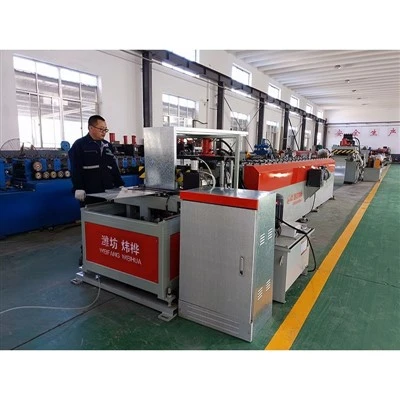
The first rule of maintaining a door panel production line is to never skip pre-shift and post-shift checks. These aren’t 10-minute cursory glances—they’re the foundation of preventing small issues from becoming full stops. Most operators start their day by firing up the line and leaving for coffee, only to come back to a misaligned router that’s already carved an eighth of an inch too deep into 20 panels. That’s avoidable. My team trains every client’s on-site staff to spend the first 15 minutes of each shift walking the line step-by-step, checking every critical component. For the material loading station, that means verifying the vacuum cups on the panel handler are properly sealed: if even one cup has a cracked rubber seal, it can warp a panel mid-transport, leading to scrap. For the routing and milling stations, we check the bit for chipping or dulling by running a test cut on a scrap piece of the same material the line will process that day. Dull bits don’t just leave rough edges—they put excessive strain on the motor, leading to premature bearing failure. I can’t tell you how many times a client has called me at 2 a.m. saying their router motor burned out, only to look at the maintenance log and see they skipped the bit check three days in a row.
Post-shift checks are equally important, and they’re where most operations lose steam. At the end of each day, the line should be fully powered down, not just idling with a part hanging on a conveyor. The first step here is clearing all debris: sawdust, veneer scraps, and adhesive residue are the line’s biggest enemies. Sawdust that accumulates in the gaps of a conveyor drive can cause jams, while cured adhesive on a roller can create a bump that leaves an uneven texture on the next panel to run. I advise clients to use low-pressure compressed air to blow out hard-to-reach areas (never high-pressure, which can damage sensor wires or delicate seals) and a stiff bristle brush to scrub rollers and guide rails. For the laminating station, where adhesive is applied, we always keep a can of citrus-based cleaner on hand to wipe excess glue from the roller surface before it sets. Once, a client I worked with let cured glue sit on their laminating roller for two weeks—by the time they noticed, the roller was pitted, and replacement cost them $1,200 and three days of downtime. That’s the kind of cost that’s preventable with a 10-minute post-shift clean.
Next, we have scheduled maintenance, which is split into weekly, monthly, and quarterly tasks. These are not one-size-fits-all; they depend on how many hours the line runs. A line operating two 8-hour shifts five days a week will have different needs than one running three shifts, so we tailor the schedule to the client’s production volume. Weekly maintenance starts with lubrication. All moving parts—conveyor chains, roller bearings, guide rails, and the linear actuators that adjust routing depth—need to be lubricated to reduce friction. But here’s a key point: not all lubricants are created equal for door panel lines. We recommend food-grade, silicone-based lubricants for parts that come into contact with wood veneer or finish, because petroleum-based lubricants can leave stains that ruin product. When lubricating chains, we never over-lubricate—excess oil attracts more sawdust, creating a grinding paste that wears down chains faster. A good rule of thumb is to apply a thin, even coat and wipe away any excess right away.
Monthly maintenance tasks include calibrating critical components. The most important calibration for a door panel line is the positioning system that ensures cuts, hinges, and mortises are in the exact right place on each panel. Even a 0.5-millimeter shift in the router’s X or Y axis can throw off hinge placements so badly that a door won’t fit into its frame. We use a digital caliper and a test panel to verify alignment, and most lines only need a quick adjustment once a month, but high-volume lines might need it twice. We also calibrate the pressure settings on the lamination press and the clamping stations. Too much pressure can crush the panel core, while too little means the veneer will peel off after installation. For lines that use automated label applicators (for barcodes or part numbers), we calibrate the applicator’s alignment to make sure labels don’t wrinkle or fall off mid-shipping—this saves clients from return requests that eat into their profits.
Quarterly maintenance is the deep dive that keeps the line running for years, not just months. This is when we inspect and replace worn parts before they fail. Wear items like router bits, conveyor belts, and vacuum seals should be inventoried and replaced before they cause unplanned downtime. I always recommend clients keep a stock of high-demand wear parts on-site: router bits (both for routing edges and mortises), spare vacuum cups, and a few feet of the most common size conveyor belt. When inspecting electrical components, we check for frayed wires, loose connections, and overheated circuit breakers. Door panel lines run 24/7 for many clients, so electrical issues are a top fire hazard—last year, a client in Ohio had a small fire in their control panel because a loose wire sparked against a pile of sawdust; a quarterly electrical inspection would have caught that before it became a disaster. We also test the line’s safety features during quarterly checks: emergency stop buttons, light curtains that stop the line if a worker reaches into a moving part, and guard rails. I’ve seen too many operators disable safety features to keep the line running during a rush, which is a recipe for injury and expensive fines—regular checks reinforce that safety and productivity go hand in hand.
Another key part of line maintenance that many operators overlook is staff training. Even the best maintenance schedule won’t work if the people running the line don’t understand how their actions affect performance. When I sell a door panel production line, I don’t just drop off the machine and walk away—we provide on-site training for every operator and maintenance technician. That training covers how to spot early signs of wear, like unusual noises (a grinding router, a squeaking conveyor chain), uneven panel finishes, or misaligned parts. Operators who’ve been trained will notice a change in sound after a few runs and report it before the motor burns out, while untrained staff might write it off as “normal line noise” until it’s too late. We also train staff on proper operation: slamming panels into the loading station or overloading the laminating press can cause damage that regular maintenance won’t fix. Last year, I worked with a team in Texas that would jostle panels onto the conveyor to speed up loading—after training, they reduced scrap from loading errors by 70% in just two months.
Climate control is another factor that many new door panel line operators don’t account for. Door panel production lines are sensitive to temperature and humidity, because wood expands and contracts with moisture levels. If the production facility is too dry, panels can warp or crack during processing; if it’s too humid, adhesive can cure too slowly, leading to weak bonds. I advise clients to keep the facility at 60 to 70 degrees Fahrenheit with a humidity level of 35 to 45 percent. We recently worked with a client in Florida who didn’t have climate control in their production bay—during the rainy season, their lamination press couldn’t keep up, and 15% of their panels had peeling veneer. Adding a dehumidifier and adjusting their press cycle time fixed the issue, and they now keep humidity levels consistent year-round. It’s a small investment that saved them $15,000 in scrap and rework in the first six months.
Finally, documentation is non-negotiable for line maintenance. Every check, lubrication, calibration, and part replacement should be written down (or logged digitally) so you can track patterns. If you notice that your router bit is wearing out after three weeks instead of eight, that might mean your lubrication routine is off or the bit is being exposed to too much debris. If conveyor chains are failing every two months, that could mean over-lubrication or misalignment. Documentation also helps when you need to order replacement parts—instead of guessing what size belt you need, you can pull the log from the last time you replaced it. I recommend a simple maintenance log, either a physical binder or a free digital tool, that includes the date, shift, task completed, any issues found, and parts replaced. For larger operations, we offer a cloud-based maintenance system that sends reminders for scheduled tasks and stores all logs in one place—no more forgetting to do a monthly calibration because it got buried under a pile of production orders.

At the end of the day, maintaining a door panel production line isn’t about doing extra work—it’s about protecting your investment. A high-quality production line can last 15 to 20 years with proper care, but cutting corners on maintenance will cut its lifespan in half, not to mention costing you in downtime, scrap, and missed deliveries. I’ve seen lines that ran reliably for two decades because their operators followed a consistent, proactive maintenance routine, and I’ve seen lines that broke down every other week because of skipped checks. If you’re looking to set up a new door panel production line or get better maintenance support for your existing one, we’re here to help. Our team has years of experience working with operations of all sizes, from small local shops to large industrial facilities, and we can tailor a maintenance plan that fits your production needs, not a one-size-fits-all template. To discuss your line’s current performance, what maintenance challenges you’re facing, and how we can support you, reach out at your convenience—we’re ready to help you keep your line running smoothly, day in and day out.
Electrical Cabinet Production Line References
- Wood Industry Maintenance Guidelines, National Wood Flooring Association, 2021.
- Industrial Conveyor System Maintenance Best Practices, Material Handling Industry Association, 2022.
- Door and Frame Manufacturing Process Standards, Door & Access Systems Manufacturers Association, 2020.
- Preventive Maintenance for CNC Woodworking Equipment, Woodworking Machinery Industry Association, 2021.
Weifang Yue Jun Machinery Co., Ltd.
With abundant experience, we are one of the most professional door panel production line manufacturers in China. We warmly welcome you to buy durable door panel production line made in China here from our factory. We also accept customized orders.
Address: Kuiwen District, Weifang City, Shandong Province
E-mail: adrian@yuejunmachinery.com
WebSite: https://www.yuejunmachinery.com/
