Hey there, fellow industrial folks — let’s cut to the chase: if you’re in the market for a used furnace tube, you know this isn’t like grabbing a secondhand coffee maker off Facebook Marketplace. Mess this up, and you’re looking at downtime that costs way more than the tube itself. I’ve been in the furnace tube game for over a decade now, and let’s be real — I’ve seen way too many people skip the basic checks, waste cash on a dud, and then come crawling back to us when that beat-up tube dies 3 weeks after install. Today, I’m breaking down exactly how to vet a used furnace tube so you don’t end up with a paperweight (and yes, I’m gonna drop a few pro tips I’ve picked up from years on the job, not just textbook stuff). Furnace Tube
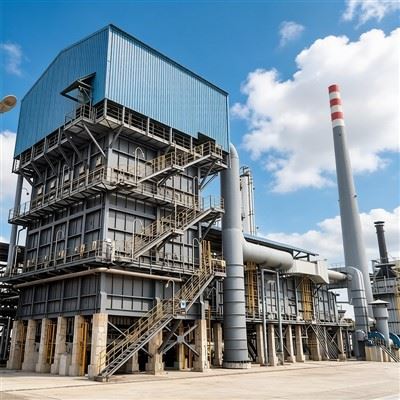
First off, let’s get one thing straight: not all used tubes are created equal. Some are pulled from well-maintained, properly run furnaces that only saw light use, while others are from a furnace that ran 24/7 with way too much heat or pressure. Your first step is always asking the seller (or whoever’s pulling the tube) a few blunt questions before you even look at it — no beating around the bush here. Did this tube run in a corrosive atmosphere? How old was the furnace it came from? What was its typical operating temp? Most scammers will try to brush these off with a vague “it was in good shape” but if someone won’t give you straight answers, walk away. Simple as that.
Now, let’s get to the physical checks — the stuff you actually need to do in person when the tube arrives. Don’t just rely on photos; close-ups can hide a ton of issues. Let’s start with the basics: visual inspection. Grab a good flashlight (and maybe a mirror for the inside if it’s not too narrow) and look for three big red flags:
Cracking is the big one. Furnace tubes get heated and cooled constantly with use, which causes thermal fatigue. Tiny, hairline cracks might not seem like a big deal, but if they’re running along the length of the tube, or even worse, around weld seams, that’s a ticking time bomb. I once sold a tube to a guy who ignored a 1mm crack along the weld, and he called me a month later yelling that it burst mid-shift, shutting down his whole production line. Don’t be that guy. Also, check for crazing — those tiny, web-like cracks on the inner surface — that’s a sign of repeated overheating, and that tube’s on its last legs.
Next up: bulges or warping. If the tube’s shape isn’t perfectly cylindrical (or whatever shape it’s supposed to be — some are U-tubes, some straight, some coiled), that means it’s been exposed to too much heat or pressure over its life. A bulge, even a small one, is a sign the material has started to creep — that’s when metal slowly deforms under constant high temp. Creep doesn’t reverse, so that bulge will only get worse once you install it. We had a customer a couple years back who thought a ½ inch bulge was “no big deal” because it didn’t leak, but 6 months later, the tube split open right at that bulge. Emergency repairs cost him 10x more than if he’d just bought a new (or good used) tube to begin with.
Then there’s scaling. Scaling is that hard, crusty buildup on the inner surface of the tube, usually from burning fuel or processing corrosive materials. A little light scaling is normal, but heavy, thick scaling isn’t just a hassle to clean — it can insulate the tube, making it run hotter than it’s rated for, which speeds up fatigue and creep. Also, if the scaling is uneven, that means the flow inside the tube was inconsistent, so you might have hot spots that will wear the tube out way faster. Pro tip: if you can tap the tube lightly with a rubber mallet, a dull thud means thick scaling, while a sharp ping is a thin, normal layer. Don’t ignore that dull thud — it’s a cheap, easy way to spot a problem.
Once you’ve checked the outside and surface stuff, it’s time to dig a little deeper with more hands-on tests. First up is thickness testing. Furnace tubes are rated for a minimum wall thickness, and used tubes will have worn down a bit over time. If the wall is too thin, it can’t handle the pressure or temp it’s supposed to, so it’ll burst. How do you check that? A simple ultrasonic thickness gauge — you can rent them for cheap, and they’re super easy to use. Just press the probe against the tube’s surface, and it’ll give you a reading. I always tell people: if the wall is less than 80% of the original manufacturer’s rating, pass on it. I don’t care how cheap it is — a thin tube will cost you way more in downtime.
Next, check the welds (if it’s a welded tube, not seamless). Welds are the weakest point in any tube, right? Because when you weld metal, you change its properties, making it more prone to cracking. Look for any discoloration around the weld — blue, brown, or even black spots mean the weld was overheated during installation or repair, which weakens it. Also, run your fingers along the weld; if it’s bumpy or has gaps, that’s a bad sign. We get a lot of used tubes where a weld was patched up poorly, and those never hold up. If the weld looks sketchy, walk away — no exceptions.
Another test I swear by is a pressure test. This is non-negotiable if the tube is going to handle any sort of liquid or gas pressure. You can get a pressure testing kit (again, cheap to rent) and fill the tube with air or water, then seal the ends and watch for leaks. A used tube shouldn’t lose more than 5% of its pressure in 10 minutes. If it drops faster than that, there’s a leak — whether it’s a tiny crack or a bad weld, that’s a problem that will turn into a big issue once it’s running at full temp. Pro tip: if you do the test with water, use soapy water and spray it along the welds and any visible cracks — bubbles will pop up instantly, so you don’t have to guess where the leak is.
Wait, let’s talk about material composition, too. A lot of people skip this, but it’s huge. Furnace tubes are made of different metals depending on what they’re used for — carbon steel, stainless steel, alloy steel like Incoloy or Hastelloy. If you’re using a carbon steel tube in a high-temperature, corrosive environment, it’s gonna wear out in months, not years. How do you check the material? A simple XRF analyzer (you can rent these too) will tell you exactly what metal the tube is made of. Don’t trust the seller’s word — I’ve had guys sell a carbon steel tube as “alloy” because it’s silver, which is a dead giveaway. XRF is fast, cheap, and eliminates that risk.
Now, let’s talk about what’s actually a “good” used tube vs. a bad one. A good used tube is one that was pulled from a furnace that was well-maintained — regular cleanings, consistent temps, no overpressure. It’ll have minimal scaling, no cracks or bulges, wall thickness above that 80% mark, and pass a pressure test. A bad tube? It has thick scaling, cracks, bulges, wall thickness below 80%, or fails the pressure test. And don’t forget: if the tube was ever used in a chemical process with sulfur or chlorine, that’s a whole other level of corrosion — even a tiny crack can spread really fast in that environment.
I get it — used tubes are way cheaper than new ones, but cutting corners here is the worst way to save money. I’ve seen customers pay $500 for a used tube that died in 2 weeks, then spend $5,000 on emergency repairs. That’s not a win, that’s a loss. The good used tubes out there are almost as reliable as new ones, if you vet them right. I’ve got a few in stock right now that were pulled from a furnace that only ran 2 shifts a day for 3 years — no overheating, minimal scaling, wall thickness still at 90% of original. Those are the ones you want.
Wait, one more thing: don’t forget the accessories. A tube is only as good as the fittings, headers, and supports that go with it. When you’re inspecting the tube itself, check the ends too — if the threaded ends are worn down, or the flanges are cracked, that’s extra work you’ll have to do, which eats into the “savings” of buying a used tube. If the ends are in good shape, that’s a bonus; if not, factor in the cost to fix or replace them before you make a decision.
Let me wrap this up with a quick checklist you can reference next time you’re looking at a used furnace tube:
- Ask the seller: What was its operating temp/pressure? Corrosive environment? How old?
- Visual check: No cracks, bulges, or heavy scaling.
- Thickness test: Wall ≥80% of original rating.
- Weld check: No discoloration, gaps, or cracks.
- Pressure test: Pressure drops ≤5% in 10 minutes.
- Material check: Matches what you need (use XRF to confirm).
If you can check all these boxes, that used tube is a solid buy. If you can’t, keep looking — there are good ones out there, you just have to put in the work to find them.
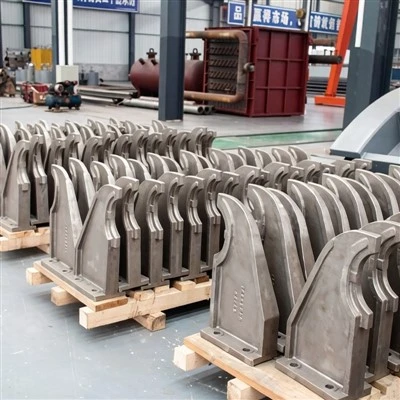
At the end of the day, I’ve been doing this long enough to know that a good furnace tube is the backbone of any industrial process. If you skip these checks, you’re setting yourself up for headaches. If you’re not sure about how to do any of these tests, or you want to bounce a tube you’re eyeing off me, hit me up. I’m here to help, no sales pitch, just straight advice. Don’t gamble with your production line — vet your used tube right, and you’ll save cash and downtime in the long run.
Heating Furnace References:
- ASM International. (2004). Furnace Tube Design and Materials Selection for High Temperature Applications. ASM Handbook, Volume 19: Fatigue and Fracture.
- Davis, J.R. (Ed.). (1998). Corrosion: Understanding the Basics. ASM International.
- NACE International. (2015). Practical Guide to Furnace Tube Inspection and Maintenance. NACE International Publication 35120.
- American Society of Mechanical Engineers (ASME). (2020). Boiler and Pressure Vessel Code, Section I: Power Boilers. ASME International.
- The Tube Manufacturers Association. (2021). Used Process Tube Evaluation Best Practices. TMA Technical Bulletin 17-21.
Jiangsu Dongfang Whole-Set Equipment Manufacturing Group Co., Ltd.
We are one of the most professional furnace tube manufacturers and suppliers in China, also support customized service. With abundant experience, we warmly welcome you to buy durable furnace tube from our factory. If you have any enquiry about pricelist, please feel free to email us.
Address: No. 9, Industrial Park, Xinqiao Town, Jingjiang City, Jiangsu Province
E-mail: dfctwm@163.com
WebSite: https://www.dongfangequip.com/
