If you’ve ever spent hours lost in a novel, a dense nonfiction chapter, or even a deep dive into a research paper, you know reading isn’t just about the words on the page—it’s about the space you sit in while you read. As someone who’s spent a decade supplying armchairs to people who live for reading, I can’t tell you how many customers have walked into our showroom (or reached out online) saying, “I just need a chair that’s comfortable.” But comfort for reading isn’t the same as comfort for binge-watching TV or napping. It’s specific, it’s science-backed, and it can make the difference between a 2-hour reading session that feels effortless and one that leaves you with a stiff neck, numb legs, and a regretful glare at the book on your coffee table. Armchair
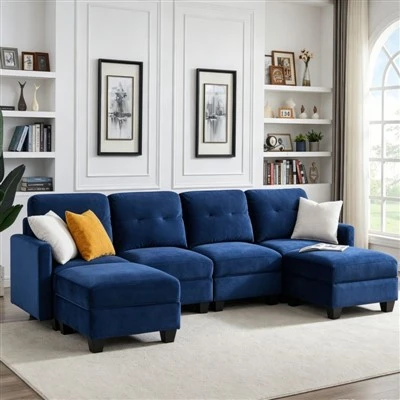
I’ve tested this myself. When I was in college, I used a beat-up thrift store armchair that was too deep, too soft, and had no back support. I’d last 30 minutes in War and Peace before my shoulders started hunching up to my ears and my lower back ached so bad I had to stand. That chair was great for dozing between classes, but terrible for sustained reading. It took me years of troubleshooting my own reading nook and talking to thousands of customers to figure out what makes a good reading armchair. Let’s break down what actually matters, no fluff, no fancy marketing—just real stuff that works for anyone who treats reading like a ritual.
First, let’s talk about depth. This is the single most common mistake I see customers make when picking a reading armchair. Too deep, and you’ll slip back, your legs will stretch out too far, and your lower back won’t have support against the chair. Too shallow, and your knees will be bent at a sharp 90-degree angle (or worse, you’ll be perched on the edge like you’re about to get up) after just an hour. The sweet spot? For average-height adults (5’4” to 5’10”), the seat depth should be between 20 and 22 inches. If you’re taller than 5’10”, go for 22 to 24 inches; if you’re shorter than 5’4”, aim for 18 to 20 inches. Why does this matter? When you sit, you should be able to fit about two fists between the front of the seat and the back of your knee. That small gap lets your blood circulate, so your legs won’t go numb mid-chapter. I’ve had customers swap a too-deep armchair for our medium-depth model and say they didn’t realize their legs had been tingling until they stopped. That’s the kind of small win that changes your entire reading experience.
Next, seat firmness. This is another area where “comfortable” is subjective, but for reading, there’s a right middle ground. A seat that’s too soft—think the kind that sinks 4 inches when you sit—will leave you sinking into the chair, hunching your shoulders to hold your book up at eye level. A seat that’s too hard will dig into your thighs after an hour, making you shift every few minutes, which pulls you out of your reading flow. The ideal seat firmness is medium-firm. It has enough give to feel cozy, but enough structure to support your weight without you feeling like you’re melting into the chair. For reference, our reading armchairs use a high-density foam core with a soft, breathable upholstery layer—tested to hold its shape for at least 10 years, so you don’t have to deal with a sagging seat after a year of weekly reading sessions. We had one customer who bought our model three years ago and said it felt exactly as supportive as the day she got it; she uses it for 4+ hour sessions every weekend for her book club reads. That’s the kind of durability that matters for reading chairs.
Back support is non-negotiable for reading, and it’s not just any back support—it’s lumbar support. When you read, you often lean back slightly, or hunch forward to see the small text, and that puts a lot of strain on your lower back. A good reading armchair needs a curved backrest that matches the natural S-shape of your spine. The backrest height should also be right: not so short that only your upper back is supported, and not so tall that your neck is craned up to rest on the top cushion. Aim for a backrest that’s between 30 and 36 inches from the seat to the top of the back. This lets your shoulder blades rest comfortably against the chair, so your arms don’t get tired from holding a book or a tablet up. For people who need extra support, we offer a lumbar pillow insert that you can tuck into the curve of the backrest—we designed it specifically to fit our armchairs, so it doesn’t slip around like generic pillows do. I’ve had several customers with chronic lower back pain say this small adjustment turned their reading time from a chore to a pleasure.
Now, armrests. Most people don’t think about armrests when they shop for a reading chair, but they’re make-or-break. If armrests are too low, your arms will drop, and you’ll end up hunching your shoulders to hold your book. If they’re too high, your shoulders will stay hunched for the entire session, leading to neck and shoulder tension. The ideal armrest height is between 7 and 9 inches from the seat. They should also be wide enough to rest your entire forearm, not just your elbow—so when you’re holding a book, your arm is positioned comfortably, not at an awkward angle. Another thing I like about armrests for reading is that they should be slightly padded, but not too soft. If armrests are too soft, your elbow will sink into them, and you’ll have to reposition every few minutes. Our armchairs have armrests with a medium-density padding, so they support your arm without feeling squishy. I’ve seen customers bring their own books into our showroom to test this—they’ll sit in a chair, hold their book for 10 minutes, and if their arm doesn’t ache, that’s the chair they buy. That’s the kind of hands-on testing I recommend anyone do, too.
Upholstery is another factor that’s often overlooked, but it matters a lot for long reading sessions. You want something that’s breathable, because if you’re sitting still for 2 hours, you don’t want to get sweaty and uncomfortable. Leather is a popular option, but it can get cold in the winter and sticky in the summer, especially if you live in a humid climate. Fabric upholstery is better for breathability, but you want to make sure it’s durable and easy to clean. We use a performance fabric for most of our reading armchairs—it’s stain-resistant, so if you spill coffee on it (and let’s be real, most readers have spilled coffee on their book at some point), you can wipe it right up, and it’s also breathable, so you don’t get overheated. We also have a linen blend option for people who want a softer, more cozy feel, but it’s still treated to be stain-resistant, which solves the big problem with linen—how easily it gets dirty. I recommend avoiding velvet if you’re using the chair for reading, unless you’re okay with it getting crushed from leaning on it for hours. Velvet is cozy, but it shows every indent, and over time, the crushed spots don’t come back, which can make the chair look worn.
Wait, what about recline? A lot of people ask me if a reclining chair is good for reading. The short answer is: only if it has a locked recline. A chair that leans back too far makes it hard to hold a book at a comfortable angle, because your arms have to stretch up to reach it, or you have to prop the book on your lap awkwardly. The best recline angle for reading is between 100 and 110 degrees—slightly more upright than a recliner for napping, which is usually around 120 to 130 degrees. That angle lets you lean back enough to support your spine, but still hold a book at eye level without straining your neck. A lot of our reading armchairs have a locked recline feature, so you can set it to that perfect angle and not have to worry about it slipping backward while you’re focused on your book. We had one customer who uses her chair for reading and for watching movies; she said being able to lock the recline angle means she can switch between activities without adjusting the chair every time. That’s a versatile feature that’s great for readers who also want to use the chair for other things.
Another thing I’ve learned over the years: size of the chair itself, not just seat depth. If you’re a larger person, a compact armchair that fits a small person perfectly will feel cramped and uncomfortable for reading. You need to look for a chair with a total width of at least 30 inches for average-sized people, and 32 to 34 inches for larger adults. Total height of the chair is also important—if you’re tall, a chair that’s only 35 inches tall from the floor to the top of the back will leave your head hanging over the top, craning your neck. We have different size options in our reading armchair line, specifically for different body types, because one size really doesn’t fit all when it comes to reading chairs. I once had a customer who’s 6’4” come in, and he’d been using a chair he bought online that was way too small; he said he’d developed a permanent neck ache from trying to read in it. We let him test our tall-size reading armchair, and he left saying he hadn’t read a full novel without neck pain in years. That’s the impact getting the size right has.
Let’s also talk about extra features that make a big difference for readers. Like, a pocket for your remote, your phone, or your bookmark on the side of the armrest—small, but so useful. Or a cup holder, so you don’t have to set your coffee on the floor or the end table every time you want to take a sip. A lot of people think these are unnecessary gimmicks, but after spending hours reading, the last thing you want to do is disrupt your flow to grab your drink or find your bookmark. We added side pockets and built-in cup holders to our reading armchairs a few years ago, and it’s been one of the most popular features with customers. We also have models with a small side table attached, if you prefer that over cup holders; it’s perfect for holding your book, your tablet, or your reading glasses.
Now, I know what some of you are thinking: “This sounds great, but what about style? I don’t want a chair that looks like it belongs in a library.” The good news is, reading armchairs don’t have to be boring. We offer dozens of fabric colors and patterns, from neutral grays and beiges to bold blues and greens, even subtle geometric patterns, so you can pick one that fits your living room, bedroom, or home library. The key is to match the style to your space, but not at the expense of the functionality we talked about. A lot of customers come in wanting a stylish armchair, and they end up surprised when they realize style and function don’t have to be separate. Our most popular model for reading is a mid-century modern style, but it has all the right depth, back support, and armrest height that we recommend—so it looks good, and it’s perfect for hours of reading.
I’ve spent years talking to readers of all ages, from teenagers reading young adult novels to retirees reading history books, and the one thing they all agree on is that a good reading armchair makes the experience better. It’s not about being fancy or expensive, it’s about being supportive in the right places, the right size for your body, and built to last. If you’ve ever left a reading session with a stiff neck or numb legs, chances are your armchair wasn’t the right fit for reading—it was made for something else.
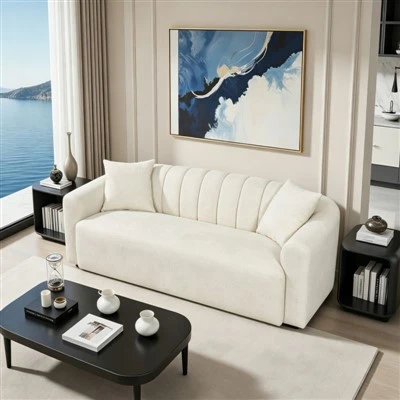
At our company, we build every armchair with reading in mind, because we’re readers too. We test every model for at least six months before we put it on the market, having our team and our customers test them for long reading sessions, to make sure they hold up and support the body the way it needs to. If you’re in the market for a reading armchair, don’t just go by what looks good in the store or what’s on sale. Test it: sit in it for 10 minutes, hold a book or a tablet, adjust your position like you would when you’re actually reading. If your lower back hurts, your arm is tired, or your legs go numb, it’s not the right chair for you.
Reception Sofa Whether you’re furnishing a home library, a cozy bedroom nook, or a living room where you love to curl up with a book, the right reading armchair is an investment in your reading routine. It turns a quick chapter before bed into a ritual, makes long books feel manageable, and keeps you comfortable through the best stories. If you’d like to learn more about our reading armchairs, talk through size or style options, or get a custom recommendation for your space, feel free to reach out. We’re here to help you find the chair that will be your go-to for every book you pick up.
References
- American Chiropractic Association. "Proper Sitting Posture at Home and Work." 2022.
- Journal of Physical Therapy Science. "Effects of Seat Depth and Lumbar Support on Sitting Comfort and Posture in Adults." 2019.
- Furniture Today. "Consumer Preferences for Upholstered Seating for Home Reading Spaces." 2021.
- Society of Textiles and Chemists and Colorists. "Performance Fabrics for High-Use Residential Furniture." 2020.
Huizhou Ramson Technology Co., Ltd.
Huizhou Ramson Technology Co., Ltd. is one of the most professional armchair manufacturers and suppliers in China, also supports customized service with low price. Please feel free to wholesale bulk classy armchair from our factory. Contact us for pricelist.
Address: Building 3-4, Changlonggang Industrial Park, Tiantou Village, Shatian Town, Huiyang District, Huizhou City, Guangdong Province
E-mail: jscsofa@jsc-furniture.com
WebSite: https://www.jsc-sofa.com/
